Caru Dasa Legacy: How One Devotee Transformed Modern Bhakti?
In the sacred lineage of Gauḍīya Vaiṣṇavism, the lives of great devotees illuminate the path of bhakti (devotional service). The Caru Dasa legacy stands as a powerful example of how sincere dedication to guru and Kṛṣṇa can transform not only an individual life but entire communities across the world. A disciple of A. C. Bhaktivedanta Swami Prabhupada, Caru Dasa embodied the principle of yukta-vairāgya—engaging everything in the service of the Lord.
His recent departure in April 2026 marks not an end, but a continuation of divine service, for a Vaiṣṇava never truly dies—vaiṣṇavera kriyā mudrā vijñe nā bujhaya (the activities of a pure devotee are beyond ordinary understanding).
The Spiritual Roots of the Caru Dasa Legacy
The Caru Dasa legacy begins with surrender (śaraṇāgati). Born as Chris Warden, his life transformed upon meeting devotees and receiving initiation from A. C. Bhaktivedanta Swami Prabhupada in 1970.
Guru-Tattva and Transformation
In Vedic philosophy, the guru is described as:
sākṣād-dharitvena samasta-śāstrair “The spiritual master is honored as much as the Supreme Lord.”
Caru Dasa’s life demonstrated this truth. His unwavering service to his spiritual master became the foundation of his preaching spirit. Whether in Australia, America, or beyond, he carried the mission of Śrīla Prabhupāda with zeal.
Building Communities Through Bhakti
A central pillar of the Caru Dasa legacy was community building rooted in devotion.
The Spanish Fork Temple
In Utah, Caru Dasa and his wife, Vaibhavi Devi Dasi, established the Sri Sri Radha Krishna Temple. What began as a humble project evolved into a vibrant spiritual center.
Key Features:
Daily ārati (worship ceremonies)
Prasādam distribution (sanctified food)
Cultural festivals like Janmāṣṭamī and Dīpāvalī
Educational outreach programs
This reflects the principle of loka-saṅgraha—uplifting society through spiritual engagement.
Festival of Colors: Bhakti in Public Life
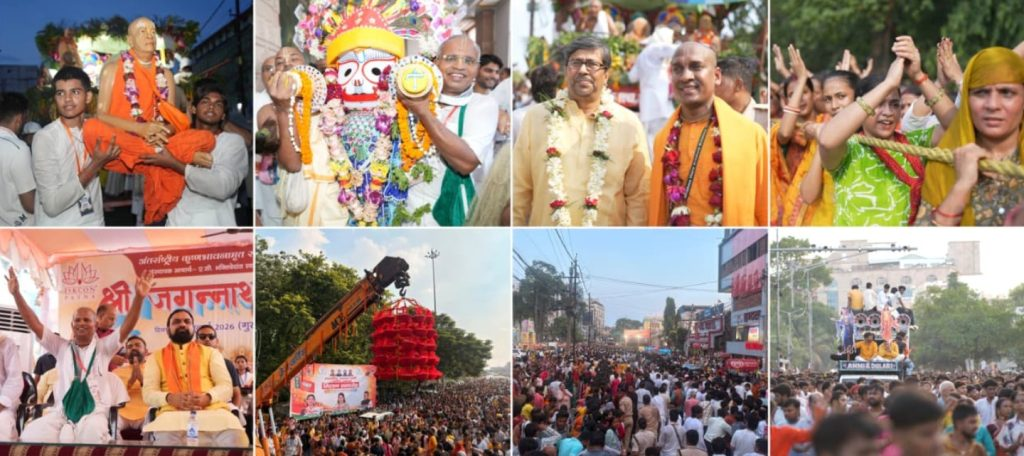
One of the most visible expressions of the Caru Dasa legacy is the Festival of Colors (Holi).
Bhakti Meets Culture
Holi, traditionally a Vedic festival celebrating divine love, was transformed into a massive outreach event. Under Caru Dasa’s guidance, it became:
The largest Holi festival outside India
A gateway for thousands to experience harināma saṅkīrtana (chanting of the holy names)
A joyful blend of music, colors, and devotion
This aligns with Lord Caitanya’s instruction:
harer nāma harer nāma harer nāmaiva kevalam “Chanting the holy name is the only way in this age.”
Innovation in Devotional Service
Unlike traditional approaches, the Caru Dasa legacy embraced innovation without compromising siddhānta (philosophical conclusions).
Krishna Radio and Media Outreach
Caru Dasa founded Krishna Radio (KHQN), a pioneering effort in devotional broadcasting.
Impact:
24/7 devotional content
Lectures based on Bhagavad-gītā and Śrīmad-Bhāgavatam
Global accessibility
This reflects yukta-vairāgya—using modern tools in Kṛṣṇa’s service.
The Role of Gṛhastha Āśrama
Caru Dasa’s partnership with Vaibhavi Devi Dasi exemplifies the ideal gṛhastha āśrama (householder life).
Spiritual Partnership
In Vedic culture, marriage is not merely social but spiritual. Together, they:
Built temples
Organized festivals
Welcomed thousands into devotional life
Their unity reflects:
dampatyor hṛdayaṁ ekaṁ “The hearts of husband and wife become one in service.”
Preaching Spirit and Leadership
The Caru Dasa legacy is deeply tied to fearless preaching (prachar).
Leadership Qualities
Caru Dasa displayed:
Enthusiasm (utsāha)
Determination (niścaya)
Patience (dhairya)
These are described in Upadeśāmṛta as essential for success in bhakti.
He inspired countless devotees, mentored leaders, and expanded ISKCON’s reach across continents.
Philosophical Insight: Life and Departure
His sudden departure reminds us of a core Vedic teaching:
antavanta ime dehā nityasyoktāḥ śarīriṇaḥ “The body is temporary, but the soul is eternal.”
Urgency in Spiritual Life
In his final talks, Caru Dasa emphasized:
The temporary nature of life
The urgency of spiritual practice
Focus on Kṛṣṇa consciousness
This reflects tīvra-bhakti—intense devotional urgency.
The Eternal Nature of the Vaiṣṇava
According to Bhaktivinoda Thakura:
“The Vaiṣṇavas never die; they live forever through their teachings.”
The Caru Dasa legacy continues through:
Temples he established
Festivals he inspired
Devotees he trained
Lessons from the Caru Dasa Legacy
1. Use Everything in Kṛṣṇa’s Service
Modern tools can be spiritualized when used properly.
2. Build Communities, Not Just Temples
Real success lies in transforming hearts.
3. Be Bold in Preaching
Innovation and courage are essential in spreading dharma.
4. Live Fully, Serve Fully
His life exemplified total engagement until the final moment.
Conclusion: Caru Dasa Legacy and the Path Forward
The Caru Dasa legacy is a shining example of applied bhakti in the modern age. Rooted in the teachings of A. C. Bhaktivedanta Swami Prabhupada, it demonstrates how devotion, when combined with creativity and compassion, can reach millions.
For sincere seekers, his life offers a clear message: Serve with heart, innovate with purpose, and remember Kṛṣṇa always.
In this way, one’s life becomes successful—saṁsiddhir hari-toṣaṇam—true perfection is to please the Supreme Lord.
1) O Lord Hari, to offer a gift and receive one in return, to give and receive spiritual food, to reveal one’s confidential thoughts and make confidential inquiries — these are the six characteristics of loving association, and in them is found the very soul of devotion.
2) I have failed to understand the Absolute Truth, and by practicing these six activities with non-devotees, either knowingly or unknowingly, I have lost all devotion. Thus I have become a materialist. For me, You, O Lord, remain afar.
3) The day I cherish these activities of intimate association with the devotees of Sri Krsna, that day the great goddess of devotion will ascend the throne of my heart.
4) When will I give up the company of those who are addicted to women and those who are not devoted to You? When will I get the constant association of Your devotees, O Lord?
To study Ayurveda in the U.S. is to step into one of the world’s oldest healing traditions. Ayurveda, meaning “the science of life” (āyus – life, veda – knowledge), originates from the sacred Vedic culture of India and has guided human wellbeing for thousands of years.
Many people today are discovering this ancient wisdom and asking important questions:
How can I study Ayurveda in the United States?
Can Ayurveda be studied online?
What certifications exist for Ayurvedic professionals?
How do these programs compare with the traditional BAMS degree in India?
These questions are natural for anyone drawn to this timeless science. Ayurveda does not simply treat disease—it teaches how to live in harmony with nature, balance the body’s energies, and cultivate spiritual awareness.
In the United States, structured programs now allow students to study Ayurveda in the U.S. through recognized certification pathways. These programs provide education in Ayurvedic philosophy, lifestyle guidance, herbal science, and holistic wellness.
The Ancient Origins of Ayurveda
Ayurveda is deeply rooted in the Vedic tradition, where knowledge was revealed to ancient sages known as ṛṣis through meditation and spiritual realization.
The classical Ayurvedic texts such as the Charaka Saṁhitā and Suśruta Saṁhitā describe the principles of health, disease prevention, and holistic treatment. Central to Ayurveda is the understanding of the three doṣas:
Vāta – the energy of movement
Pitta – the energy of transformation
Kapha – the energy of structure and stability
When these energies remain balanced, the body and mind function harmoniously. When they become disturbed, disease may arise.
Thus Ayurveda teaches that health is not merely the absence of illness but a state of balance between body, mind, and spirit.
Study Ayurveda in the U.S.: Certification Levels
For those wishing to study Ayurveda in the U.S., the professional pathway generally follows three certification levels established by the National Ayurvedic Medical Association.
These levels represent increasing depth of knowledge and clinical experience.
Ayurvedic Health Counselor (AHC)
This is the entry-level certification for Ayurvedic professionals.
Training
Students complete approximately:
600 hours of Ayurvedic education
50 supervised client consultations
College-level anatomy and physiology coursework
The curriculum focuses on preventive health, lifestyle practices, and foundational Ayurvedic principles.
Scope of Practice
Health counselors primarily guide clients in:
Diet and nutrition
Lifestyle routines (dinācārya)
Breathwork (prāṇāyāma)
Meditation and stress management
They may also recommend simple herbal preparations such as triphala.
Career Opportunities
Graduates may work in areas such as:
Wellness coaching
Yoga and holistic lifestyle consulting
Ayurvedic education
Content writing and wellness media
Many practitioners also establish private consultation practices.
Ayurvedic Practitioner (AP)
The second stage for those who wish to deepen their clinical knowledge when they study Ayurveda in the U.S. is the Ayurvedic Practitioner certification.
Training
Programs generally require:
At least 1500 hours of education
150 supervised clinical consultations
Expanded anatomy and physiology studies
These programs typically take around two years of full-time study.
Scope of Practice
Practitioners develop deeper understanding of:
Ayurvedic pathology
Disease prevention and management
Herbal formulations
Yoga therapy and lifestyle interventions
They work with clients to restore balance in the doṣas, often using herbal protocols, dietary guidance, and detoxification techniques.
Career Opportunities
Graduates may pursue careers in:
Private clinical practice
Panchakarma therapy centers
Integrative wellness clinics
Research and education
Ayurvedic Doctor (AD)
The highest professional level for those who study Ayurveda in the U.S. is the Ayurvedic Doctor designation.
Training
This advanced program includes:
Approximately 4000 hours of training
300 clinical consultations
Advanced studies integrating Western medicine and Ayurveda
Doctorate programs often include research projects or theses.
Scope of Practice
Ayurvedic Doctors receive comprehensive training in:
Ayurvedic pharmacology
advanced clinical assessment
integrative medicine approaches
Although they cannot diagnose diseases in the same way as licensed medical doctors in many states, they are highly skilled in holistic health guidance and Ayurvedic therapies.
Career Opportunities
Graduates may work in:
Panchakarma centers
Ayurvedic education institutions
Research organizations
Herbal product development
Integrative health clinics
How U.S. Ayurveda Programs Compare to BAMS in India
To fully understand how to study Ayurveda in the U.S., it is helpful to compare these programs with the traditional BAMS (Bachelor of Ayurvedic Medicine and Surgery) degree offered in India.
BAMS is a professional undergraduate degree that takes approximately five and a half years to complete.
Students study:
classical Ayurvedic texts
clinical medicine
pharmacology
surgery
extensive internships in Ayurvedic hospitals
Admission typically requires passing the national medical entrance examination known as NEET.
Graduates of BAMS may practice medicine in India with a much broader scope of practice, including clinical treatment and certain surgical procedures.
However, the BAMS degree is not currently recognized as a medical license in the United States, which is why specialized certification programs have been developed for students who wish to study Ayurveda in the U.S.
Online Opportunities to Study Ayurveda in the U.S.
Modern educational institutions now offer flexible ways to study Ayurveda in the U.S., including online and hybrid programs.
One well-known center for Ayurvedic education is the Ayurvedic Institute founded by Vasant Lad.
These programs combine:
live online lectures
Sanskrit chanting of Ayurvedic sūtras
clinical case studies
meditation and yogic practices
Students often experience not only intellectual learning but also personal transformation, as Ayurveda encourages harmony between body, mind, and spirit.
Career Paths After Studying Ayurveda
Choosing to study Ayurveda in the U.S. opens doors to a variety of professional opportunities within the wellness and integrative health sectors.
Some common career paths include:
Private Consultation Practice Working directly with clients to guide lifestyle and dietary changes.
Yoga and Wellness Centers Collaborating with yoga teachers and holistic therapists.
Herbal Product Development Formulating herbal supplements and wellness products.
Education and Teaching Teaching Ayurvedic principles in schools and training institutes.
Integrative Medicine Clinics Working alongside healthcare professionals to support holistic treatment approaches.
These opportunities allow practitioners to share the wisdom of Ayurveda with communities seeking natural and balanced approaches to health.
The Spiritual Foundation of Ayurvedic Study
Ayurveda is not merely a medical system; it is a sacred science that recognizes the divine intelligence within nature.
The ultimate purpose of health in Vedic culture is to support dharma (righteous living), artha (prosperity), kāma (balanced desires), and ultimately mokṣa (spiritual liberation).
Therefore, those who study Ayurveda in the U.S. often discover that the journey becomes not only a professional path but also a spiritual one.
By learning to live according to natural rhythms, practicing meditation, and cultivating compassion, practitioners embody the deeper spirit of Ayurveda.
Conclusion: The Path to Study Ayurveda in the U.S.
For those inspired by ancient healing traditions, the opportunity to study Ayurveda in the U.S. offers a meaningful path of service and knowledge.
Through certification programs such as Ayurvedic Health Counselor, Ayurvedic Practitioner, and Ayurvedic Doctor, students can gradually deepen their understanding of this profound science.
While the educational system differs from the traditional BAMS program in India, the essence of Ayurveda remains the same: to restore harmony within the body and awaken awareness of the soul’s connection with nature and the Supreme.
Those who follow this path with sincerity and dedication often find that Ayurveda not only transforms the lives of their clients but also brings profound balance and clarity to their own lives.
Becoming a Certified Ayurvedic Practitioner is a meaningful journey into one of the world’s most ancient and holistic healing traditions. Ayurveda, the sacred science of life (āyurveda), has been practiced for thousands of years in India and continues to guide individuals toward balanced health, natural living, and spiritual awareness.
Many people feel inspired by Ayurveda’s philosophy and wish to share its wisdom with others. However, questions naturally arise:
How long does it take to become a Certified Ayurvedic Practitioner?
What training is required?
What certification standards exist in the United States?
What career opportunities are available after graduation?
This guide explains the step-by-step process of becoming a Certified Ayurvedic Practitioner, from choosing a school to building a professional practice.
Step 1: Choose the Right Ayurvedic Program
The first and most important step toward becoming a Certified Ayurvedic Practitioner is selecting the right educational program.
This decision will influence the depth of your knowledge, the teachers who guide you, and your overall experience studying Ayurveda.
Several factors should be considered when choosing a school.
Lineage and Teachers
In Vedic culture, the relationship between teacher and student is sacred. The Sanskrit word guru means “one who dispels darkness or ignorance.”
A genuine teacher not only explains the technical aspects of Ayurveda but also helps illuminate deeper wisdom about life and health.
When selecting a school, consider:
The teacher’s lineage and training
Their philosophical approach to Ayurveda
Their style of teaching and communication
Watching lectures, attending informational sessions, or speaking with alumni can provide valuable insight into the school’s teaching style.
Length of the Program
The length of study required to become a Certified Ayurvedic Practitioner depends on the program format.
Full-Time Programs
Full-time programs typically take two years to complete.
The first year generally covers the Ayurvedic Health Counselor level, which focuses on foundational principles and lifestyle guidance. The second year expands into clinical practitioner training.
Part-Time Programs
Part-time or hybrid programs may take longer but allow students to study while continuing their professional responsibilities.
Both options can lead to certification depending on the program structure.
Step 2: Meet Certification Standards
In the United States, Ayurvedic certification standards are guided by the National Ayurvedic Medical Association Certification Board.
Most reputable schools structure their curriculum according to NAMA’s requirements.
To become a Certified Ayurvedic Practitioner, students typically complete:
Around 1500 hours of Ayurvedic education
Clinical training with supervised consultations
Courses in anatomy and physiology
After completing the required coursework, graduates may apply for certification through NAMA and sit for the practitioner examination.
This certification demonstrates that the practitioner has met recognized professional standards within the Ayurvedic community.
Step 3: Complete Your Ayurvedic Practitioner Training
Once admitted to an Ayurvedic school, students begin an immersive process of studying classical principles and practical applications.
Training to become a Certified Ayurvedic Practitioner often includes the following subjects:
Ayurvedic philosophy and history
Dosha theory (vāta, pitta, kapha)
Digestive health (agni)
Herbal medicine
Ayurvedic nutrition and dietetics
Yoga and meditation practices
Clinical consultation techniques
Students also gain hands-on experience by conducting supervised consultations with real clients.
Through these consultations, practitioners learn how to evaluate lifestyle patterns, diet, and doshic imbalances while guiding clients toward healthier routines.
Step 4: Prepare for the Certification Exam
Graduates of qualifying programs may choose to take the certification exam administered by the National Ayurvedic Medical Association Certification Board.
Passing this exam grants the professional designation of Certified Ayurvedic Practitioner.
Although certification is not legally required to practice Ayurveda in all contexts, it provides credibility and demonstrates commitment to professional standards.
Clients and wellness centers often value practitioners who have completed recognized certification programs.
Step 5: Start or Join an Ayurvedic Practice
After becoming a Certified Ayurvedic Practitioner, the next step is to begin professional practice.
As Ayurveda continues to gain recognition in holistic wellness communities, practitioners have several career options.
Many graduates choose to start their own private consultation practice, where they guide clients in diet, lifestyle, and herbal therapies.
Others join existing wellness clinics or holistic health centers.
Practitioners often collaborate with professionals in fields such as:
Yoga therapy
Massage therapy
Chiropractic care
Western herbalism
Integrative medicine
This collaborative approach reflects Ayurveda’s holistic philosophy, where health is understood as a balance between body, mind, and environment.
Step 6: Teaching, Writing, and Expanding Ayurveda
The journey of a Certified Ayurvedic Practitioner does not end with clinical practice.
Many practitioners expand their work into education and outreach.
Opportunities include:
Teaching Ayurveda workshops or courses
Writing articles or books on Ayurvedic health
Developing herbal products
Leading detoxification or cleansing programs
Supervising students in Ayurvedic clinics
As interest in natural medicine continues to grow, the demand for knowledgeable Ayurvedic educators and practitioners is steadily increasing.
The Spiritual Foundation of Ayurvedic Practice
Ayurveda is more than a healthcare system—it is a sacred science that aligns human life with the rhythms of nature.
The Vedic tradition teaches that true health arises when the body, mind, and spirit exist in harmony.
Practitioners therefore cultivate not only knowledge but also personal discipline through practices such as:
meditation
yogic breathing (prāṇāyāma)
balanced diet
mindful daily routines (dinācārya)
These practices help practitioners embody the principles they share with their clients.
Main Takeaways for Becoming a Certified Ayurvedic Practitioner
The journey to becoming a Certified Ayurvedic Practitioner is both educational and transformational.
Key points to remember:
You can complete practitioner training in approximately two years of full-time study.
Choose a school that meets the standards of the National Ayurvedic Medical Association.
Certification requires completing coursework, clinical training, and passing the NAMA examination.
Career opportunities include private practice, teaching, wellness consulting, and integrative medicine.
Conclusion: Walking the Path of the Certified Ayurvedic Practitioner
The path to becoming a Certified Ayurvedic Practitioner is not merely a professional training—it is a journey into the wisdom of the Vedic healing tradition.
By studying Ayurveda with sincerity and dedication, practitioners gain tools to guide others toward balance, vitality, and spiritual wellbeing.
As the wisdom of Ayurveda spreads across the world, those who commit themselves to this path become instruments of healing, helping individuals reconnect with nature, restore harmony within the body, and cultivate a deeper awareness of life’s sacred purpose.
What to Expect in an Ayurvedic Practitioner Program
In the journey of self-realization and service to humanity, the Ayurvedic Practitioner Program stands as a sacred path of knowledge (vidyā) and application (prayoga). Ayurveda, known as “the science of life” (āyus + veda), is not merely a system of medicine—it is a divine arrangement guiding the living being toward balance in body, mind, and consciousness.
For the sincere seeker, entering an advanced level of Ayurvedic training is not just academic progression; it is a deepening of one’s responsibility in serving others through dharmic healing.
The Foundation of the Ayurvedic Practitioner Program
Before entering advanced study, a student must pass through foundational stages. These earlier levels establish:
Understanding of doṣas (vāta, pitta, kapha)
Knowledge of agni (digestive fire)
Study of dhātus (bodily tissues)
Principles of mala (waste elimination)
These concepts form the backbone of Ayurvedic diagnosis and treatment.
At this stage, the practitioner learns to see disease not merely as a physical disturbance but as an imbalance in the subtle harmony of nature (prakṛti vs vikṛti).
Qualification and Readiness for Advanced Study
Entering the Ayurvedic Practitioner Program
The advanced Ayurvedic Practitioner Program requires sincere preparation. One must:
Complete foundational Ayurvedic studies
Demonstrate competency through examination
Possess basic knowledge of anatomy and physiology
This ensures that the student approaches higher knowledge with humility (vinaya) and clarity.
In Vedic tradition, advancement is never mechanical—it depends upon adhikāra (qualification).
From Knowledge to Application
Clinical Maturity After Foundational Training
Upon completing earlier levels, a practitioner becomes capable of:
Conducting full Ayurvedic assessments
Understanding disease progression (samprāpti)
Designing personalized healing protocols
Guiding diet (āhāra) and lifestyle (vihāra)
This stage marks the transformation from student to healer.
However, true wisdom develops further through deeper study and realization, which the Ayurvedic Practitioner Program seeks to cultivate.
How Advanced Training Differs
Beyond Basic Ayurveda
Unlike foundational programs, the advanced level is:
Immersive and intensive
Clinically focused
Integrative in approach
It combines traditional Ayurvedic wisdom with elements of modern medical understanding, allowing practitioners to navigate contemporary health challenges.
This reflects the principle of yukta-vairāgya—using everything in proper balance for higher purpose.
Structure of the Ayurvedic Practitioner Program
Duration and Commitment
The program typically spans:
Two years of full-time study
Extensive clinical exposure
Thousands of hours of practical training
Such discipline aligns with the Vedic spirit of tapasya (austerity), through which knowledge becomes realized.
Experiential Learning: Beyond the Classroom
Sacred Exposure to Living Ayurveda
Students undergo transformative experiences such as:
Herbal Studies in Nature
Learning directly from medicinal plants fosters a living relationship with dravya-guṇa śāstra (science of substances and qualities).
Panchakarma Practice
Hands-on training in detoxification therapies deepens understanding of purification (śodhana), which is essential for healing.
Pilgrimage to India
Exposure to Ayurveda in its birthplace allows one to absorb not only knowledge but also paramparā (disciplic succession).
This is not merely travel—it is saṁskāra, a purification of consciousness.
Integration of Two Systems of Knowledge
Bridging Ayurveda and Modern Medicine
A key feature of the Ayurvedic Practitioner Program is integration:
Understanding allopathic diagnostics
Applying Ayurvedic principles in modern contexts
Developing holistic treatment strategies
This harmonization reflects the Vedic vision of unity in diversity—“ekatvaṁ bahutvaṁ ca”.
Research and Intellectual Contribution
From Student to Scholar
Advanced students are trained to:
Develop research proposals
Conduct clinical studies
Present findings professionally
This cultivates jñāna (knowledge) combined with vijñāna (realized wisdom).
Such efforts contribute to the global recognition of Ayurveda as a legitimate and effective healing science.
Personal Transformation Through Study
The Inner Journey
The Ayurvedic Practitioner Program is not limited to external healing—it transforms the practitioner internally.
Through disciplined study and service, one develops:
Compassion (dayā)
Clarity (sattva)
Detachment (vairāgya)
Thus, the practitioner becomes an instrument of divine healing rather than merely a technician.
Small Cohort, Deep Guidance
Due to the depth of training:
Only a limited number of students are accepted
Close mentorship is provided
Individual growth is emphasized
This reflects the traditional guru-śiṣya model, where knowledge is transmitted through relationship and service.
Conclusion: The True Purpose of the Ayurvedic Practitioner Program
The Ayurvedic Practitioner Program is not simply a professional qualification—it is a sacred responsibility.
It prepares one to:
Relieve suffering
Restore balance
Guide others toward harmonious living
In essence, Ayurveda teaches that real healing begins when one aligns with their true nature (svarūpa). A practitioner trained in this system becomes a guide, helping others reconnect with that natural state.
Thus, this path is both a science and a service, rooted in timeless wisdom and applied with compassion in the modern world.
In the modern age, where confusion arises from countless healing paths, Ayurvedic Personalized Healing offers a deeply rooted and time-honored solution. Originating from the Vedic tradition, Ayurveda—“āyus” (life) and “veda” (knowledge)—guides the individual toward harmony by understanding one’s unique constitution (prakṛti).
As the world becomes disillusioned with uniform approaches to health, the wisdom of Ayurveda gently reminds us: true healing begins within.
The Limitation of “One Size Fits All” Healing
Modern healthcare systems often operate on generalized frameworks, offering similar solutions to diverse individuals. However, each living being is a unique combination of:
Each individual embodies these elements uniquely, forming their constitution.
Thus, Ayurvedic Personalized Healing is not an invention—it is a rediscovery of one’s inherent nature.
Healing as Self-Realization
The Journey Within
Unlike externalized medical systems, Ayurveda teaches:
“To heal others, one must first understand oneself.”
This involves:
Observing bodily signals
Refining diet (āhāra)
Regulating lifestyle (vihāra)
Cultivating clarity of mind
Healing becomes a process of self-awareness (ātma-jñāna).
Transformation Through Study and Practice
Relearning Life
As one progresses in Ayurveda, natural shifts occur:
Eating becomes conscious, not habitual
Sleep aligns with natural rhythms
Sensory control (indriya-nigraha) develops
Emotional patterns surface for healing
This process may be challenging, as it uncovers stored impressions (saṁskāras), but it is essential for true balance.
The Courage to Heal Deeply
Ayurvedic Personalized Healing is not superficial wellness—it is a profound transformation.
It may bring forward:
Past trauma
Emotional imbalances
Deep-rooted habits
Yet, through steady practice and guidance, these become opportunities for purification (śuddhi).
This is the path of tapasya—voluntary discipline for higher realization.
Individualization: The Core of Ayurveda
Why Personalization Matters
No herb, diet, or therapy is universally suitable.
Ayurveda carefully considers:
Constitution (prakṛti)
Current imbalance (vikṛti)
Age (vaya)
Season (ṛtu)
Environment (deśa)
This precise personalization makes Ayurveda uniquely effective.
The Higher Purpose of Healing
Healing in Ayurveda is not merely the removal of disease (roga), but the establishment of:
Balance (samatva)
Clarity (sattva)
Purposeful living (dharma)
A healed individual naturally contributes to the well-being of society.
Conclusion: Nurturing Your Inner Garden Through Ayurvedic Personalized Healing
In a world filled with external solutions, Ayurvedic Personalized Healing calls us inward. It teaches that the body is not a machine to be fixed, but a living garden to be nurtured with care, awareness, and devotion.
By understanding our unique constitution and aligning with natural principles, we cultivate harmony not only in the body, but in consciousness itself.
Thus, Ayurveda is not simply a system of medicine—it is a path of living wisdom, guiding the soul toward balance, clarity, and higher purpose.
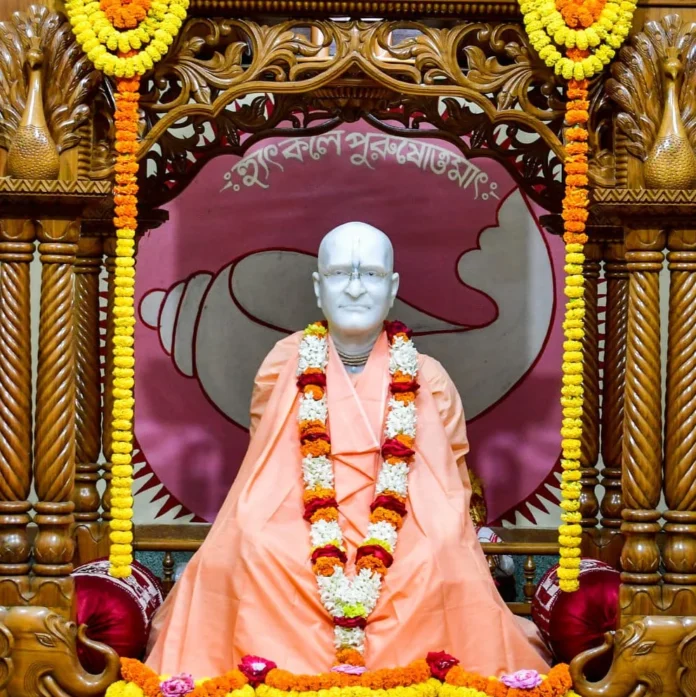
Śrīla Bhaktisiddhānta Sarasvatī Ṭhākura Samādhi: Beacon of Devotional Service
The sacred Śrīla Bhaktisiddhānta Sarasvatī Ṭhākura samādhi in Purī-dhāma stands as a monument to the life and divine mission of this exalted jagad-guru (world teacher) of the Gauḍīya Vaiṣṇava sampradāya. Born on the fifth day of the dark lunar fortnight in the month of Māgha, 1874, as Vimala Prasāda to Śrīla Bhaktivinoda Ṭhākura and Śrī Bhagavatī-devī, he manifested the qualities of a mahāpuruṣa (great personality) from his earliest childhood.
From tender years, Vimala Prasāda received initiation into chanting the holy names and the Nṛsiṁha mantra, demonstrating extraordinary spiritual aptitude. His father also instructed him in worship of Śrī Kūrmadeva, whose presence was revealed in a wall of their house. Recognized for his scholastic brilliance, he was awarded the title Śrī Siddhānta Sarasvatī, highlighting his deep mastery of scriptural truths.
Early Life and Spiritual Training Scholastic and Devotional Excellence
Even as a child, Vimala Prasāda displayed qualities befitting a mahāpuruṣa: intelligence, humility, and devotion. Under his father’s guidance, he cultivated:
Mantra-japa: Repetition of divine names Deity worship (dēvatā-sevā) Scriptural study (śāstra-jṣāna)
At the age of 26, he received initiation from Śrīla Gaura-kiśora dāsa Bābājī Mahārāja, a devout renunciant, further solidifying his path in pure bhakti.
Establishment of Śrī Caitanya Maṭha
In 1918, upon accepting tridaṇḍa-sannyāsa, Śrīla Bhaktisiddhānta Sarasvatī Ṭhākura established the Śrī Caitanya Maṭha at Purī-dhāma. This became a central hub for:
Worship of Śrī Guru-Gaurāṅga and Śrī Gāndharvikā-Giridhārī Propagation of kṛṣṇa-nāma and kṛṣṇa-prema, as exemplified by Mahāprabhu Training and sending qualified preachers (dīkṣā-gurus) across India and abroad Reforms and Publications
The Jagad-guru reinvigorated devotional culture by:
Re-instituting Navadvīpa-dhāma parikramā (holy pilgrimage) Publishing journals in multiple languages: Bengali, Hindi, Sanskrit, Telugu, Tamil, Assamese, and English Establishing new Gauḍīya Maṭhas in key locations Constructing a grand temple at Yogapīṭha, Mahāprabhu’s birthplace
These initiatives accelerated the global spread of the Gauḍīya Vaiṣṇava philosophy, making him unparalleled in preaching and devotion.
Spiritual Significance of the Samādhi Mandira
The samādhi of Śrīla Bhaktisiddhānta Sarasvatī Ṭhākura serves as both a pilgrimage site and a source of inspiration for devotees. Visitors experience:
Reverence for the jagad-guru’s teachings Inspiration to follow Mahāprabhu’s mission Deep immersion in devotional service (bhakti)
The mandira preserves the spiritual aura of the guru, allowing devotees to meditate upon his life and work.
Contributions to Gauḍīya Vaiṣṇavism Global Preaching Mission
Through the Śrī Caitanya Maṭha, he initiated the systematic preaching of kṛṣṇa-nāma worldwide. His disciples carried his mission to:
Asia, Europe, and America Major cities and remote villages Diverse linguistic communities Preservation of Scriptural Knowledge
He also safeguarded śāstra-jṣāna, ensuring that the philosophical conclusions (siddhānta) of Śrī Caitanya Mahāprabhu remained uncorrupted.
Visiting the Samādhi Mandira
Pilgrims can engage in:
Kīrtana: Chanting and musical worship Smaraṇa: Meditation on the life of the guru Darśana: Experiencing the sacred presence (tīrtha-yātrā)
Each act of devotion deepens one’s connection to the spiritual energy of Śrīla Bhaktisiddhānta Sarasvatī Ṭhākura and his mission.
Legacy and Eternal Inspiration
Śrīla Bhaktisiddhānta Sarasvatī Ṭhākura samādhi is not merely a memorial; it is a living symbol of:
Mahāprabhu’s teachings Pure devotional service (śuddha-bhakti) Global preaching of kṛṣṇa-nāma
His life exemplifies the potency of discipline, devotion, and scholarship in propagating bhakti. Devotees who visit this sacred site are inspired to continue his mission and deepen their own devotional practices.
Conclusion: A Lighthouse of Bhakti
The samādhi-mandira of Śrīla Bhaktisiddhānta Sarasvatī Ṭhākura radiates spiritual energy, guiding countless devotees on the path of prema-bhakti. From initiating disciples to publishing devotional literature and establishing Maṭhas worldwide, he ensured the eternal transmission of Gauḍīya Vaiṣṇava teachings.
This sacred site remains a beacon for all who seek to immerse themselves in the holy names of Kṛṣṇa, to serve the mission of Mahāprabhu, and to partake in the mercy of a true jagad-guru.
Śrī Candraśekhara-bhavana: Jewel of Gauḍīya Vaiṣṇava Tradition
The sacred abode of Śrī Candraśekhara-bhavana stands as a testament to the intimate pastimes of Śrī Caitanya Mahāprabhu and the flowering of Gauḍīya Vaiṣṇavism. Known as the residence of the venerable Śrī Candraśekhara Ācārya, also called Ācāryaratna—“the jewel among learned personalities”—this site in Vraja-pattana played a pivotal role in the spiritual history of Bengal. Within the first 100 words, it is clear that Śrī Candraśekhara-bhavana represents both a center of devotional education and a stage for the Lord’s divine pastimes.
Historical Significance of Śrī Candraśekhara-bhavana Residence of Ācāryaratna
Śrī Candraśekhara Ācārya, a scholarly luminary and dear devotee of Mahāprabhu, made this place his home. The very walls of this bhavana witnessed the first dramatic enactment in Bengal’s spiritual history, where Śrī Caitanya Mahāprabhu danced in the mood of Rukmiṇī-līlā, delighting the assembled devotees.
Spiritual Atmosphere
Devotees of this sacred place experienced:
Melodious kīrtana Scholarly discourses (śāstrārtha) Personal darśana of Mahāprabhu
The bhavana was not only a residence but a hub of transcendental learning and devotion (bhakti).
Foundation of Śrī Caitanya Maṭha
In 1918, the great jagad-guru Śrīla Bhaktisiddhānta Sarasvatī Ṭhākura formally established Śrī Caitanya Maṭha at this location. This became the primary center for:
International propagation of Śrī Kṛṣṇa’s holy names (nāma-saṅkīrtana) Training of devotees in Gauḍīya Vaiṣṇava philosophy (siddhānta) Spreading the mission of Mahāprabhu throughout the world Legacy of Bhaktivinoda Ṭhākura
Alongside Śrīla Sarasvatī Ṭhākura, Śrīla Bhaktivinoda Ṭhākura worked tirelessly to revive and systematize the teachings of the Gauḍīya Vaiṣṇava sampradāya. Today, branches and sub-branches of this Maṭha flourish globally, fulfilling Mahāprabhu’s prophecy:
“pṛthivīte-paryānta yata āche deśa-grāma, sarvatra saṅcāra haibeka mora nāma”
My holy name will be broadcast in every town and village of this Earth planet.
Mahāprabhu’s Divine Pastimes at Candraśekhara-bhavana First Dramatic Performance
At this very location, Mahāprabhu enacted Rukmiṇī-līlā, the first dramatic stage performance in Bengal, demonstrating His mastery over rasa (transcendental moods). This performance:
Engaged devotees’ hearts in loving devotion (prema) Illustrated divine pastimes (līlā) in a living form Established the precedent for devotional theater in India Devotional Assembly
Candraśekhara-bhavana was a gathering place for Vaiṣṇavas to immerse themselves in:
Scriptural study (śāstra-saṅgati) Bhāgavata narrations Kīrtana and chanting of holy names Spiritual Lessons from Śrī Candraśekhara-bhavana Importance of a Guru and Bhajana-kṣetra
The bhavana teaches the necessity of:
Guru-sevā: Serving a qualified spiritual master Bhajana-kṣetra: Practicing devotion in a sacred place
Both aspects are essential for deepening one’s prema-bhakti.
Role in Spreading Bhakti
The bhavana demonstrates that sincere devotion, coupled with disciplined learning and preaching, can propagate the Lord’s name to all parts of the world.
Modern Relevance
Today, Śrī Candraśekhara-bhavana continues to inspire:
International devotees in Gaudiya mission Scholars in Vedic studies (vedānta, bhāgavata, nāma-saṅkīrtana) New generations to take up service and preaching
The Maṭha serves as a bridge between traditional devotion and global outreach.
Visiting Śrī Candraśekhara-bhavana
Pilgrims and devotees visiting this sacred site can:
Participate in daily kīrtana (nama-saṅkīrtana) Attend scriptural discourses Meditate on Mahāprabhu’s pastimes (līlā-smaraṇa)
Each visitor experiences a tangible connection to the spiritual energy that radiated from Mahāprabhu and His intimate associates.
Conclusion: Eternal Glory of Śrī Candraśekhara-bhavana
The divine abode of Śrī Candraśekhara-bhavana remains a jewel of the Gauḍīya Vaiṣṇava tradition. From Mahāprabhu’s enactment of Rukmiṇī-līlā to the global preaching mission established by Śrīla Bhaktisiddhānta Sarasvatī Ṭhākura, this bhavana embodies:
Devotional fervor (bhakti-prema) Scriptural erudition (śāstra-jṣāna) Universal outreach of the holy names
Through meditating on the sacred pastimes and following the ideals established at Śrī Candraśekhara-bhavana, devotees can experience the living presence of Mahāprabhu and participate in His eternal mission.
It is thus both a historical and spiritual lighthouse, illuminating the path of pure devotion across the world.
Śrī Jagadānanda Paṇḍita: The Fire of Loving Devotion
The divine personality of Śrī Jagadānanda Paṇḍita stands as a unique example of intense, intimate devotion (prema-bhakti) in the pastimes of Śrī Caitanya Mahāprabhu. Known for his deep love expressed through apparent anger (māna), he embodied a mood of devotion rarely understood.
Within the first 100 words, it becomes evident that Śrī Jagadānanda Paṇḍita represents a confidential dimension of bhakti—where love is so intense that it sometimes appears as contradiction, yet is in fact the highest form of spiritual intimacy with Kṛṣṇa.
Identity of Śrī Jagadānanda Paṇḍita
In the eternal pastimes of Kṛṣṇa, Śrī Jagadānanda Paṇḍita is identified as Satyabhāmā, one of Kṛṣṇa’s principal queens.
In Gaura-līlā, he appeared as an intimate associate of Mahāprabhu, constantly engaged in His service.
His defining qualities include:
Exclusive devotion (ananya-bhakti) Intense emotional attachment Fearless expression of love Constant Companion in Jagannātha Purī
Śrī Jagadānanda Paṇḍita resided with Mahāprabhu in Jagannātha Purī.
There, he served the Lord in various ways:
Participating in kīrtana Cooking and offering prasāda Caring for the Lord’s well-being
He knew no one but Mahāprabhu, and his life revolved entirely around Him.
The Sandalwood Oil Pastime
One of the most instructive pastimes of Śrī Jagadānanda Paṇḍita involves his attempt to serve Mahāprabhu with sandalwood oil.
He brought fragrant oil from Bengal and requested Govinda to apply it to the Lord.
However, Mahāprabhu refused, saying:
“As a sannyāsī, I cannot accept such comforts.”
Jagadānanda’s Reaction
Unable to tolerate this rejection, Jagadānanda:
Smashed the pot of oil Locked himself in his room Fasted and wept for three days Spiritual Insight
This pastime reveals:
The intensity of devotional love The Lord’s adherence to renunciation (vairāgya) The dynamic relationship between devotee and Lord The Loving Reconciliation
Seeing Jagadānanda’s distress, Mahāprabhu personally went to him and requested food.
Immediately, Jagadānanda forgot his anger and began cooking.
Lesson
True devotion is not ego-driven—it is rooted in love.
Even apparent anger dissolves in service.
The Bedding Pastime
Jagadānanda once prepared a soft bed for Mahāprabhu, hoping to provide comfort.
However, the Lord rejected it, emphasizing:
“A sannyāsī must avoid sense enjoyment.”
Later, with the help of Svarūpa Dāmodara, a simple bedding was accepted.
Deeper Meaning
This pastime illustrates:
Balance between love and discipline The Lord’s strict example for renunciants The devotee’s desire to serve with affection Journey to Vṛndāvana
At one point, Jagadānanda desired to visit Vṛndāvana.
Initially, Mahāprabhu refused, recognizing his emotional state.
Eventually, permission was granted.
In Vṛndāvana, he stayed with Sanātana Gosvāmī.
The Cloth Incident with Sanātana Gosvāmī
One day, Jagadānanda saw Sanātana Gosvāmī wearing a cloth given by an impersonalist (advaitavādī) sannyāsī.
Enraged, he:
Criticized the action Raised a cooking pot in anger
However, his anger was rooted in deep loyalty to Mahāprabhu.
Sanātana’s Response
Sanātana Gosvāmī, being tolerant and wise, appreciated Jagadānanda’s devotion.
He said:
“Your fortune is unlimited.”
Instruction to Sanātana Gosvāmī
Later, Jagadānanda advised Sanātana Gosvāmī to leave Purī due to his bodily condition.
When Mahāprabhu heard this, He appeared displeased.
He said:
“How can a junior instruct such an exalted devotee?”
Resolution
Sanātana Gosvāmī clarified:
Jagadānanda’s position as a dear associate The sweetness of his relationship with Mahāprabhu
Mahāprabhu then explained the spiritual nature of a Vaiṣṇava’s body.
Philosophical Teachings of Śrī Jagadānanda Paṇḍita
The life of Śrī Jagadānanda Paṇḍita teaches profound truths:
Prema Beyond Logic
Pure love transcends ordinary reasoning.
Loving Quarrels (Prema-kalaha)
Apparent conflict in spiritual relationships enhances intimacy.
Strictness in Devotion
Devotion must be free from impersonal influences.
Service with Emotion
True service is not mechanical—it is heartfelt.
Relevance in Modern Spiritual Life
In today’s world, relationships are often superficial.
The example of Śrī Jagadānanda Paṇḍita teaches:
Devotion requires emotional depth Spiritual life includes both discipline and affection Love for God must be personal and intense Practical Application
One can follow his example by:
Cultivating Devotion Chanting with feeling Serving with sincerity Maintaining Purity Avoiding impersonal interpretations Following authentic teachings Conclusion: The Divine Fire of Śrī Jagadānanda Paṇḍita
The life of Śrī Jagadānanda Paṇḍita reveals the blazing fire of divine love that burns away all material considerations.
His intimate relationship with Śrī Caitanya Mahāprabhu shows that:
Love for Kṛṣṇa is dynamic and alive Devotion may appear intense, yet is supremely pure The highest bhakti is filled with emotion, surrender, and intimacy
By meditating on Śrī Jagadānanda Paṇḍita, one gains insight into the deepest dimensions of prema-bhakti.
Thus, he remains eternally an example of fearless love and unwavering devotion in the service of the Lord.
Śrī Gadādhara-aṅgana: The Abode of Divine Compassion
The sacred Śrī Gadādhara-aṅgana is a deeply revered site in Navadvīpa, intimately connected with Śrī Gadādhara Paṇḍita, one of the most confidential associates of Śrī Caitanya Mahāprabhu. This holy place reveals the gentle, compassionate nature of devotion and the profound role of bhāgavata-sevā (service through scripture).
Within the first 100 words, we understand that the Śrī Gadādhara-aṅgana pastime embodies the essence of prema-bhakti (pure love for Kṛṣṇa), expressed through humility, scholarship, and unwavering dedication to the Lord.
Śrī Gadādhara-aṅgana: A Sacred Residence in Navadvīpa
Located just east of Advaita-bhavana in Navadvīpa, Śrī Gadādhara-aṅgana was the residence of Gadādhara Paṇḍita.
He was the son of Mādhava Miśra and grew up alongside Nimāī Paṇḍita as a close friend and fellow student.
This place became sanctified by:
His pure devotion His recitations of Śrīmad-Bhāgavatam His intimate association with Mahāprabhu Childhood Pastimes with Nimāī
In their early years, Gadādhara Paṇḍita and Nimāī Paṇḍita shared a deep bond.
Nimāī would often:
Engage Gadādhara in debates on nyāya (logic) Playfully challenge his understanding Tease him with intellectual arguments Hidden Purpose
Though these debates appeared ordinary, they revealed:
Nimāī’s supreme intelligence His desire to engage His devotees The sweetness (mādhurya) of divine friendship Gadādhara Paṇḍita: The Embodiment of Bhāva
Gadādhara Paṇḍita is understood in Gauḍīya Vaiṣṇava theology as the embodiment of Śrīmatī Rādhārāṇī’s mood (bhāva).
His qualities included:
Extreme gentleness (mārdava) Deep emotional devotion Natural inclination toward renunciation
At Śrī Gadādhara-aṅgana, these qualities manifested fully in his daily life.
Journey to Jagannātha Purī
After Śrī Caitanya Mahāprabhu accepted sannyāsa, Gadādhara Paṇḍita followed Him to Jagannātha Purī.
Out of deep attachment, he accepted kṣetra-sannyāsa—a vow to never leave the holy dhāma.
Meaning of Kṣetra-sannyāsa
This vow signifies:
Complete dedication to a sacred place Renunciation of worldly wandering Exclusive focus on devotional service
His only desire was to remain near Mahāprabhu.
The Glories of Śrīmad-Bhāgavatam
At Śrī Gadādhara-aṅgana and later in Purī, Gadādhara Paṇḍita became renowned for his recitation of Śrīmad-Bhāgavatam.
He was not merely a scholar—he was a rasika-bhakta (one who relishes divine mellows).
His Recitation Melodic and deeply emotional Filled with realization (anubhava) Capable of awakening devotion in listeners
Upon hearing him, Mahāprabhu would:
Become overwhelmed with ecstasy Shed tears of divine love Lose external consciousness Service to Śrī Gopīnātha
In Jagannātha Purī, Gadādhara Paṇḍita resided at the temple of Gopīnātha.
There, he performed daily worship (arcana) with great devotion.
A Unique Divine Interaction
It is said that observing Gadādhara’s difficulty in decorating Him, Gopīnātha assumed a sitting posture.
This is extraordinary because:
Most forms of Kṛṣṇa stand (tribhaṅga) Here, He sits to reciprocate with His devotee
This घटना demonstrates:
The Lord adjusts Himself for the comfort of His devotee.
The Final Pastimes
Toward the end of His manifest līlā, Śrī Caitanya Mahāprabhu entered the temple of Gopīnātha and disappeared into the deity.
Later, Gadādhara Paṇḍita also concluded his visible pastimes.
Spiritual Meaning
These events reveal:
The non-difference between the Lord and His deity form The eternal nature of divine pastimes The intimate bond between the Lord and His devotees Philosophical Teachings of Śrī Gadādhara-aṅgana
The Śrī Gadādhara-aṅgana pastime conveys deep spiritual truths:
Supremacy of Bhāgavata-sevā
Hearing and reciting Śrīmad-Bhāgavatam is a direct path to devotion.
Devotion Through Humility
Gadādhara Paṇḍita’s life exemplifies:
True devotion is marked by humility and simplicity.
Divine Reciprocity
Kṛṣṇa responds personally to the love of His devotee.
Eternal Companionship
The relationship between Mahāprabhu and Gadādhara is eternal and transcendental.
Relevance for Modern Seekers
In today’s fast-paced world, spiritual depth is often overlooked.
The message of Śrī Gadādhara-aṅgana encourages us to:
Cultivate inner devotion Study sacred texts with sincerity Develop a personal relationship with the Divine Practical Application
One can follow Gadādhara Paṇḍita by:
Reading Śrīmad-Bhāgavatam daily Chanting the holy names Serving with humility Conclusion: The Eternal Glory of Śrī Gadādhara-aṅgana
The sacred Śrī Gadādhara-aṅgana stands as a symbol of gentle devotion and deep spiritual realization. Through his life, Śrī Gadādhara Paṇḍita demonstrated the highest ideals of bhakti.
His loving relationship with Śrī Caitanya Mahāprabhu and his service to Kṛṣṇa reveal the essence of devotional life.
By meditating on Śrī Gadādhara-aṅgana, one gradually develops taste (ruci) for hearing, chanting, and serving the Lord.
Thus, this sacred place eternally inspires devotees to embrace the path of love, humility, and unwavering devotion.