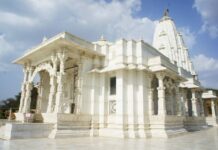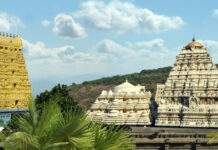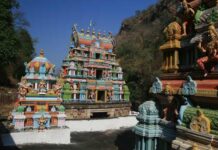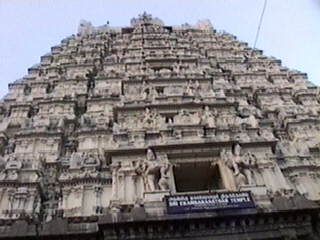
The Kumara Kottam Kanchipuram temple stands as an important center of worship dedicated to Lord Subramanya (Murugan), located in the historic city of Kanchipuram. Revered in Tamil devotional tradition, this temple holds a unique place due to its geographical and symbolic alignment with two other major shrines—the Kamakshi Amman Temple and the Ekambareswarar Temple.
Together, these three temples form the sacred Somaskanda configuration, representing Shiva, Shakti, and Skanda. The Kumara Kottam Kanchipuram temple thus becomes an essential part of this divine triad, embodying the principle of spiritual balance and completeness.
Kumara Kottam Kanchipuram and the Somaskanda Tradition
The defining feature of the Kumara Kottam Kanchipuram temple is its placement between the Kamakshi and Ekambareswarar temples. This arrangement reflects the Somaskanda concept—Shiva (Ekambareswarar), Parvati (Kamakshi), and their son Skanda (Subramanya).
This spatial alignment is not accidental but deeply symbolic. It represents the unity of divine energies—creation, preservation, and spiritual evolution.
In Kanchipuram, it is noteworthy that there are no separate shrines for the Goddess in most Shiva temples. Instead, the Divine Mother is centrally worshipped at Kamakshi Amman Temple, while the Kumara Kottam Kanchipuram temple completes the triad.
Such arrangements reflect a philosophical understanding that divine reality operates in harmony rather than separation.
Historical and Devotional Significance
The Kumara Kottam Kanchipuram temple has been revered in Tamil devotional literature, particularly in the hymns of Arunagirinathar, a great devotee of Lord Murugan.
His compositions, known for their poetic depth and spiritual intensity, highlight the importance of Subramanya worship as a path of devotion and inner purification.
Lineage of Priests
The temple priests are believed to descend from the lineage of Kachiappa Sivachariyar, who is traditionally associated with the composition and propagation of the Skanda Purana in Tamil.
This lineage preserves ritual precision and ensures continuity of tradition, reflecting the Vedic principle of parampara (disciplic succession).
Temple Structure and Layout
The Kumara Kottam Kanchipuram temple is modest in size compared to other major temples in the region, yet it is architecturally complete and spiritually significant.
Prakarams and Shrines
The temple consists of two prakarams (circumambulatory paths), allowing devotees to perform pradakshina (circumambulation), an act symbolizing reverence and surrender.
Within the temple complex, a full pantheon of parivara devatas (associated deities) is enshrined in individual shrines. This reflects the inclusive nature of temple worship, accommodating various aspects of divine manifestation.
Deity and Worship Practices
The presiding deity of the Kumara Kottam Kanchipuram temple is Lord Subramanya, also known as Murugan or Skanda. He is revered as the embodiment of wisdom, courage, and spiritual knowledge.
In Vedic thought, Subramanya represents the power of divine knowledge that dispels ignorance. His worship is often associated with discipline, clarity, and focused action.
Daily Worship
Six worship services are conducted daily, maintaining a disciplined schedule that aligns with traditional Agamic practices. These rituals ensure that the temple remains a living center of devotion.
Festivals and Observances
The Kumara Kottam Kanchipuram temple hosts several important festivals that attract devotees from various regions.
Monthly Observances
The Kartikai asterism each month is considered highly auspicious for Lord Murugan. On these days, large numbers of devotees visit the temple to offer prayers.
Annual Festivals
- Vaikasi Festival: Celebrated with grandeur, coinciding with festivals at nearby temples such as Varadaraja Perumal Temple
- Skanda Sashti: Observed in the Tamil month of Aippasi, commemorating the victory of Subramanya over negative forces
These festivals emphasize the victory of righteousness (dharma) over adversity, a recurring theme in spiritual literature.
Kanchipuram: A City of Sacred Harmony
The Kumara Kottam Kanchipuram temple exists within a broader spiritual landscape rich in both Saivite and Vaishnavite traditions. The temples of Kanchipuram have been glorified in the hymns of the Nayanmars and the Alwars, representing two major streams of devotional practice.
This coexistence highlights a key principle of Vedic culture: diversity in worship, unity in purpose.
Temples serve not only as places of ritual but also as centers of cultural continuity, education, and ethical living.
Philosophical Reflection: The Role of Subramanya
In the spiritual framework, Lord Subramanya represents the awakened intellect guided by divine wisdom. He is often depicted as a youthful deity, symbolizing clarity and readiness for action.
The presence of the Kumara Kottam Kanchipuram temple within the Somaskanda triad reinforces the idea that spiritual growth requires balance—between knowledge, devotion, and action.
When guided by dharma, human effort aligns with the greater order of the universe.
Conclusion: A Temple of Balance and Spiritual Insight
The Kumara Kottam Kanchipuram temple stands as a vital component of Kanchipuram’s sacred identity. Its location, traditions, and living worship practices reflect a deep understanding of divine relationships and spiritual harmony.
For the thoughtful visitor, the temple offers more than ritual—it provides a framework for understanding life through discipline, devotion, and knowledge. In recognizing this, one moves closer to perceiving the underlying unity that governs all existence.
library.vedavarsity.com | www.vedavarsity.com
Deepen your Bhakti-yoga practice, harmonize relationships, and receive guided coaching — all at Vedavarsity.com