


The Simhachalam Temple significance is rooted in its unique form of worship, rich historical legacy, and deep connection to the worship of Lord Vishnu. Situated near the coastal city of Visakhapatnam, this hill temple stands as a prominent pilgrimage destination in South India.
Located approximately 18 kilometers from the city, Simhachalam—meaning “the hill of the lion”—draws devotees from across Andhra Pradesh and neighboring regions. The temple’s elevated setting and serene surroundings enhance its spiritual atmosphere, offering a place for reflection, devotion, and disciplined worship.
The Unique Deity: Varaha Lakshmi Narasimha
At the heart of the Simhachalam Temple significance lies its presiding deity, Lord Varaha Lakshmi Narasimha.
This form combines two incarnations of Lord Vishnu:
- Varaha (the boar incarnation)
- Narasimha (the man-lion incarnation)
This rare iconographic representation symbolizes protection, restoration, and divine intervention in times of imbalance.
Interestingly, the deity’s form resembles a Shivalingam due to its continuous covering with sandalwood paste. The original form of the deity is revealed only once a year during the sacred festival known as Chandana Visarjana.
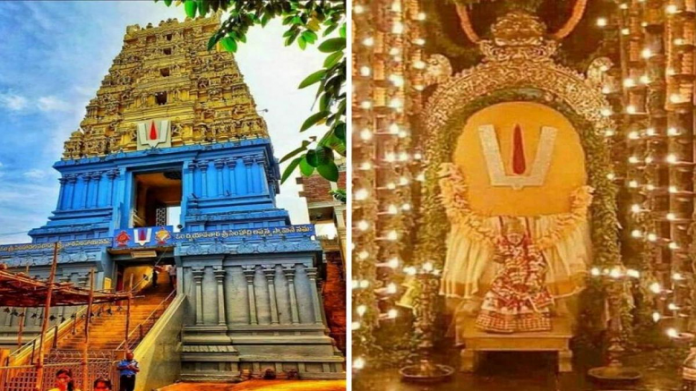
The Tradition of Sandalwood Covering
One of the most distinctive aspects contributing to the Simhachalam Temple significance is the practice of covering the deity with sandal paste throughout the year.
According to tradition, the Narasimha form manifested in intense anger while protecting the devotee Prahlada and destroying the demon Hiranyakashipu. To temper this fierce (ugra) energy, the deity is kept covered with cooling sandalwood paste.
Annual Revelation
- During Chandana Visarjana, the sandal paste is ceremonially removed
- Devotees are granted darśana of the original form of the deity
- This rare occasion attracts large numbers of pilgrims
This practice reflects the understanding that divine energy, though powerful, is harmonized through proper ritual and reverence.
Historical Development of the Temple
The Simhachalam Temple significance is further strengthened by its long and well-documented history.
Early Contributions
- Kulottunga Chola I of Tamil Nadu made endowments in 1087 CE
- The Vengi Chalukyas renovated the original shrine in the 11th century
Later Renovations
- Major structural developments were carried out by Narasimha I of the Eastern Ganga dynasty in the 13th century
- The temple as seen today largely reflects these contributions
Royal Visits
- The Vijayanagara emperor Krishnadevaraya visited the temple in 1516 CE
- His visit is recorded in inscriptions within the temple
The presence of over 500 inscriptions provides valuable historical insight into the temple’s continuous patronage and importance.
Architectural Features and Artistic Excellence
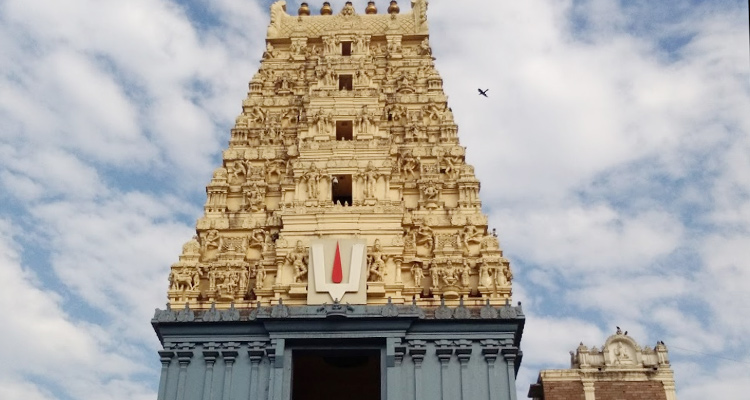
The Simhachalam Temple significance also lies in its architectural and artistic richness.
The temple displays a blend of:
- Orissan architectural elements
- Chalukyan design features
Noteworthy Structures
- A beautifully carved stone chariot drawn by horses
- A Kalyana Mandapa with 16 pillars
These pillars are adorned with bas-reliefs depicting various incarnations (avatars) of Lord Vishnu, reinforcing the temple’s Vaishnava identity.
Sculptural Details and Symbolism
The artistic work within the temple contributes significantly to the Simhachalam Temple significance.
Key Features
- Multiple depictions of Narasimha in various forms
- Sculptures of elephants, floral patterns, and natural motifs
- Outer walls featuring royal imagery, believed to represent King Narasimha
The artistic style shows similarities to that of Konark Sun Temple, indicating shared influences in temple art across regions.
Such craftsmanship reflects not only aesthetic skill but also the intention to communicate spiritual themes through visual representation.
Location and Accessibility
Simhachalam is located near Visakhapatnam, making it accessible to pilgrims and visitors.
- The temple is situated on a hill
- A well-maintained motorable road leads to the top
- The route offers scenic views, enhancing the pilgrimage experience
Its proximity to major transport routes ensures a steady flow of devotees throughout the year.
Pilgrimage and Spiritual Discipline
The Simhachalam Temple significance extends beyond its physical features to its role as a center of pilgrimage.
Pilgrimage in Vedic tradition serves to:
- Refine the mind
- Encourage humility and discipline
- Foster remembrance of the Supreme
The journey to a hill temple, in particular, symbolizes an upward movement—both physically and inwardly—toward clarity and higher understanding.
A Philosophical Reflection
The worship of Lord Narasimha at Simhachalam carries a deeper meaning.
The Lord appears in a fierce form to protect righteousness (dharma) and to uphold the principle that sincere devotion is always safeguarded. At the same time, the covering of sandal paste signifies the balancing of intensity with calmness.
This balance reflects a universal principle: strength must be guided by wisdom, and power must be tempered with compassion.
Conclusion
The Simhachalam Temple significance lies in its unique deity, deep-rooted traditions, rich history, and remarkable architecture. It stands as a place where devotion, art, and disciplined practice come together in a harmonious expression of spiritual culture.
Through its rituals and symbolism, the temple reminds visitors that while the external journey leads to a sacred place, the true purpose is internal refinement and alignment with higher principles.
In this way, Simhachalam continues to guide seekers toward a deeper understanding of devotion, balance, and the enduring order that governs life.
library.vedavarsity.com || www.vedavarsity.com
Deepen your Bhakti-yoga practice, harmonize relationships, and receive guided coaching — all at Vedavarsity.com