


High in the Himalayas, amidst snow-clad peaks and the sacred rivers of Uttarakhand, lies Joshimath Tiruppirudi, a holy place associated with the worship of Lord Vishnu. Revered in the Tamil Vaiṣṇava tradition as one of the 108 Divya Desams, Tiruppirudi is connected with the hymns of the Āḻvārs, the great saintly devotees who glorified Lord Viṣṇu in Tamil devotional poetry.
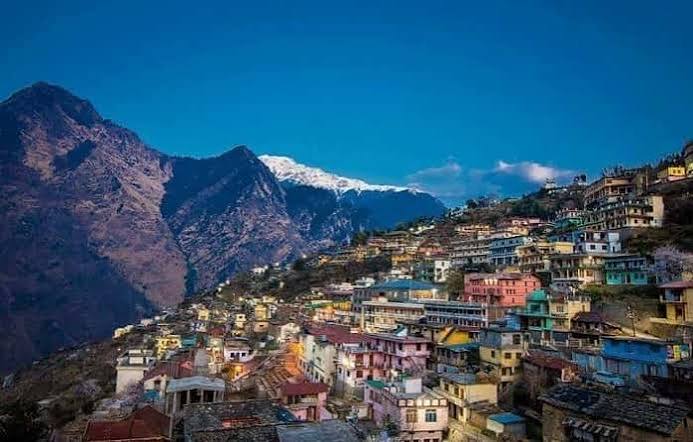
Joshimath, also known as Jyotirmath, stands on the ancient pilgrimage route leading toward Badrinath. Situated at an elevation of approximately 6,150 feet, it has long been an important centre for pilgrims travelling through the Garhwal Himalayas.
The sacred atmosphere of this region reminds the pilgrim that India’s holy places are not merely geographical destinations. They are places meant to awaken remembrance of the Supreme Lord.
Joshimath Tiruppirudi and the Himalayan Pilgrimage
Joshimath occupies a significant position on the route between Rishikesh and Badrinath. Surrounded by the magnificent Himalayan landscape, the town has historically served pilgrims travelling toward the higher regions of Badarī-kṣetra.
The Himalayas have traditionally been regarded as a favourable place for spiritual practice. Their solitude, natural beauty and association with sages make them especially suitable for tapasya, or disciplined spiritual practice.
For a Vaiṣṇava pilgrim, however, the real value of such a journey lies not merely in seeing mountains or rivers. The purpose is to approach sacred places connected with the Lord and His devotees.
A Land of Sacred Associations
Joshimath is traditionally associated with several important temples and spiritual institutions.
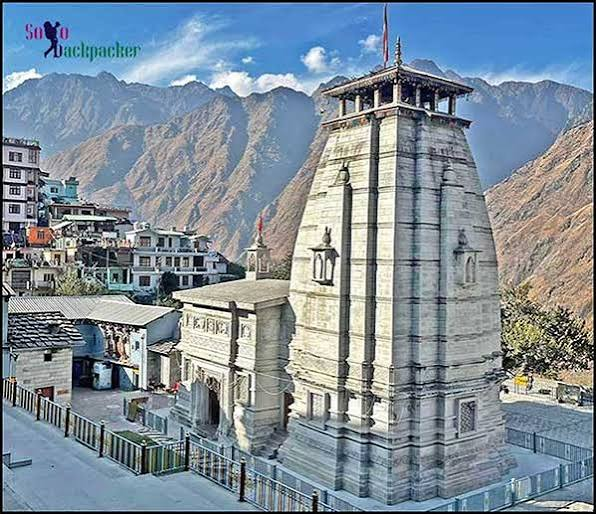
Among the prominent shrines are temples dedicated to Lord Narasiṁha and Lord Vāsudeva. The region is also closely connected with the pilgrimage to Badrinath.
The presence of these sacred places makes Joshimath an important stopping point for pilgrims before proceeding toward the higher Himalayan pilgrimage centres.
Lord Vishnu as Paramapurusha
In the tradition associated with Joshimath Tiruppirudi, Lord Viṣṇu is identified as Paramapurusha, the Supreme Person.
The Sanskrit expression Paramapuruṣa means the Supreme Personality, the highest spiritual being and ultimate shelter of all living entities.
The Vedic scriptures repeatedly establish that the Supreme Lord is not an impersonal force but the Supreme Person, possessing transcendental qualities and engaging in eternal spiritual activities.
For the Vaiṣṇava, approaching a temple is therefore an opportunity to remember this eternal relationship.
The living entity is jīva, an eternal spiritual being, while the Supreme Lord is the ultimate object of loving service.
This understanding gives pilgrimage its deeper meaning.
The Divine Consort Parimalavalli
The Divine Mother associated with this sacred tradition is Parimalavalli.
In Vaiṣṇava worship, the presence of the Lord and His eternal consort reminds devotees of the spiritual nature of divine relationships.
The Supreme Lord is understood as the source of all spiritual and material energies. His devotees approach Him not simply for material benefits but to cultivate bhakti, loving devotional service.
Thus, remembrance of the Lord’s names, forms and pastimes becomes an essential part of visiting a sacred place.
Tirumangai Alwar and the Glories of Tiruppirudi
One of the most important connections of Tiruppirudi is with Tirumangai Āḻvār, one of the celebrated Vaiṣṇava saints of South India.
The Āḻvārs were great devotees who composed devotional hymns glorifying Lord Viṣṇu and His various sacred abodes.
Tirumangai Āḻvār is traditionally understood to have sung ten verses, or a decad, in glorification of the Lord associated with Tiruppirudi.
His poetry represents the intense devotional mood of a soul longing to approach and serve the Supreme Lord.
The Lord in Different Divine Forms
In these devotional descriptions, the Lord is associated with forms and names such as Rāma, Kṛṣṇa and Paraman.
Such references demonstrate the Vaiṣṇava understanding that the Supreme Lord may manifest Himself in different forms while remaining one Supreme Personality.
Śrī Kṛṣṇa, Lord Rāmacandra and Lord Viṣṇu are therefore approached with devotion according to the revealed traditions of Vaiṣṇava theology.
The Sacred Theertham: Indra Theertham
The sacred water associated with this holy place is known as Indra Theertham.
In Vedic culture, tīrtha means a sacred place or sacred water associated with spiritual purification.
Water becomes especially sacred when it is connected with the Lord, His devotees or transcendental activities described in śāstra.
Pilgrims traditionally approach such places with reverence, understanding that external purification should accompany internal purification.
The deeper purpose is to cleanse one’s consciousness of material attachment and increase one’s remembrance of the Supreme Lord.
Govardhana Vimanam
The vimāna associated with the shrine is known as Govardhana Vimanam.
In temple architecture, vimāna refers to the sacred tower or structure above the sanctum where the Deity is worshiped.
The name Govardhana carries profound Vaiṣṇava significance because Govardhana Hill is intimately connected with the childhood pastimes of Śrī Kṛṣṇa in Vṛndāvana.
Kṛṣṇa lifted Govardhana Hill to protect the residents of Vraja from the torrential rain sent by Indra. This pastime establishes the supremacy of devotional surrender to Kṛṣṇa over dependence upon material powers.
Thus, even the sacred names associated with a temple can invite the pilgrim to remember the Lord’s transcendental pastimes.
Joshimath and Adi Shankaracharya
Joshimath is also renowned as a major centre associated with Ādi Śaṅkarācārya.
Traditional accounts identify Jyotirmath as one of the principal monastic centres established in connection with Śaṅkarācārya’s work in India.
The region therefore possesses importance in the broader history of India’s spiritual traditions.
At Joshimath, the temple of Lord Narasiṁha is particularly prominent. The Deity of Lord Narasiṁha is worshiped by pilgrims travelling toward Badrinath.
For students of Indian religious history, this makes Joshimath an especially interesting meeting point of different streams of India’s sacred heritage.
The Debate Over the Location of Tiruppirudi
There is an important scholarly and traditional discussion concerning the precise geographical identification of ancient Tiruppirudi.
One traditional identification associates Tiruppirudi with Joshimath.
Another interpretation connects the Divya Desam with Nandaprayāg, where the Nandakini River meets the Alaknanda.
Nandaprayāg lies farther along the Himalayan pilgrimage route and is itself an ancient sacred location.
This geographical discussion should be approached with humility. Different traditions and scholars have interpreted the references of Tirumangai Āḻvār in different ways.
Tiruppirudi and Nandaprayag
Nandaprayāg is associated with the confluence of the Nandakini and Alaknanda rivers.
The confluence of sacred rivers has special significance in Vedic culture. Such places are traditionally regarded as suitable for bathing, prayer, meditation and remembrance of the Supreme Lord.
There is also a temple associated with Gopāla at Nandaprayāg, further strengthening the area’s Vaiṣṇava associations.
The question of whether Tiruppirudi should be identified with Joshimath or Nandaprayāg remains an interesting subject for students of Divya Desam tradition and Āḻvār literature.
The Spiritual Significance of Himalayan Pilgrimage
A Himalayan pilgrimage is not simply an adventure through difficult terrain.
The Sanskrit word yātrā means journey, while tīrtha-yātrā refers specifically to a pilgrimage to a sacred place.
The physical journey can become an opportunity for inner transformation.
A pilgrim may leave behind the familiar comforts of ordinary life, travel through forests and mountains, endure physical difficulties, and finally approach the temple with humility.
Such experiences can remind one that material comfort is temporary.
From External Journey to Inner Journey
The real purpose of pilgrimage is to cultivate remembrance of the Supreme Lord.
A person may travel thousands of kilometres and still remain absorbed in worldly thoughts. Another person may hear the glories of the Lord with sincere attention and experience a profound transformation of consciousness.
Therefore, the quality of one’s consciousness is more important than the distance travelled.
The great devotees teach that śravaṇam, hearing about the Lord, and kīrtanam, glorifying His holy names and activities, are powerful means of spiritual advancement.
Joshimath as a Gateway to Sacred Knowledge
For pilgrims travelling toward Badrinath and the Himalayan tīrthas, Joshimath can serve as more than a geographical stopping point.
It can become an opportunity to contemplate India’s long spiritual heritage.
The temples, rivers, mountains and ancient pilgrimage routes remind us that generations of spiritual seekers have travelled through these regions in search of transcendental knowledge.
The devotee approaches such places with the mood expressed in the Vaiṣṇava tradition: not simply “What can I see?”, but “How can I remember and serve the Supreme Lord?”
This shift in consciousness transforms tourism into pilgrimage.
Conclusion: Remembering Vishnu in the Himalayas
Joshimath Tiruppirudi occupies a fascinating place in India’s sacred geography, connecting the Himalayan pilgrimage tradition with the Tamil Vaiṣṇava heritage of the Āḻvārs.
Its association with Lord Viṣṇu as Paramapuruṣa, the devotional hymns of Tirumangai Āḻvār, the sacred traditions of Joshimath and the wider Badrinath pilgrimage route make it a meaningful subject for students of Vedic culture.
The traditional identification of Tiruppirudi with Joshimath, together with the alternative identification with Nandaprayāg, also reminds us that sacred geography is preserved through layers of literary, theological and regional traditions.
For the sincere pilgrim, however, the deepest purpose remains unchanged: to approach the holy place with humility, hear the glories of the Supreme Lord, associate with devotees and deepen one’s bhakti.
In this spirit, the journey to Joshimath Tiruppirudi can become not merely a journey through the Himalayas, but a journey toward greater remembrance of the eternal Supreme Personality of Godhead.
Deepen your Bhakti-yoga practice, harmonize relationships, and receive guided coaching — all at Vedavarsity.com