



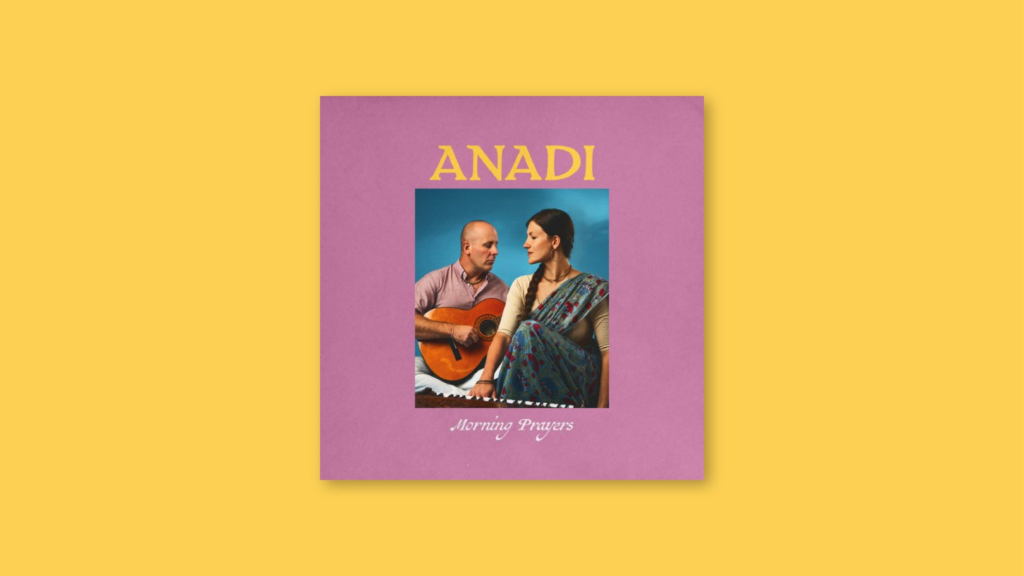
The Morning Prayers album by Anadi Radha Dasi and her husband, Nitisara Das, brings the sacred atmosphere of devotional worship into the homes and daily lives of listeners. Released in December 2025 through 108 Records Global, the album entered Grammy consideration in 2026 in the Best New Age, Ambient or Chant Album category. According to an October 9, 2026, report by ISKCON News, the recording was awaiting the first-round Grammy vote; it had not been nominated.
Beyond the recognition of the music industry, this development invites us to consider a deeper question: how can devotional music help people cultivate a relationship with the Supreme Lord? In the tradition of Krishna consciousness, music is not merely entertainment. When offered in devotion, it becomes a means of remembering the Lord, glorifying His holy names, and awakening the soul’s dormant spiritual consciousness.
Morning Prayers Album and the Tradition of Bhakti
In the Vedic tradition, the morning hours are considered especially favourable for spiritual cultivation. A devotee rises early, remembers the Supreme Personality of Godhead, chants the Hare Krishna mahā-mantra, and engages in devotional service. These practices help direct the mind away from worldly distractions and towards the eternal relationship between the living entity and Krishna.
Morning worship in ISKCON temples includes various prayers, kīrtana, and services offered to the Deities. The specific practices may vary according to the temple and its schedule, but their purpose remains centred on remembrance and service.
The Morning Prayers album seeks to bring a portion of this devotional atmosphere to listeners through musical arrangements of traditional prayers and sacred names.
For congregations where musicians or regular participants may be limited, recordings can also serve as a practical means of hearing devotional prayers. However, recorded music is best understood as a support for personal spiritual practice, rather than a replacement for the devotee’s own chanting, hearing, and service.
The Importance of Hearing and Chanting
Śrīmad-Bhāgavatam identifies hearing and chanting about the Supreme Lord as fundamental limbs of bhakti-yoga, or the path of devotional service.
Śrīla Prabhupāda consistently emphasised that the holy name of Krishna is non-different from Krishna Himself. Therefore, the chanting of the Lord’s names is not simply a musical exercise; it is a spiritual activity when undertaken with the proper understanding and devotional intention.
The Hare Krishna mahā-mantra is:
Hare Krishna Hare Krishna, Krishna Krishna Hare Hare
Hare Rama Hare Rama, Rama Rama Hare Hare.
By hearing and chanting these holy names, one gradually learns to engage the mind and senses in the service of the Lord. Melody and musical accompaniment may help create an inviting atmosphere, but the spiritual significance rests in the holy name and the devotional attitude with which it is approached.
Who Are Anadi Radha Dasi and Nitisara Das?
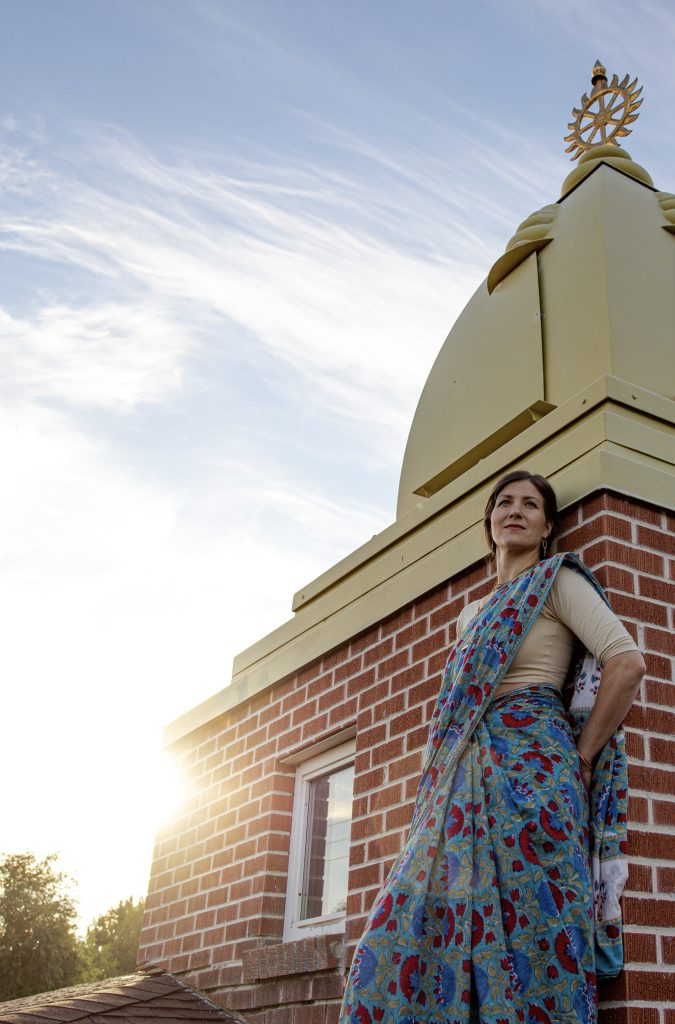
Anadi Radha Dasi and Nitisara Das are a married couple from Boise, Idaho, USA, whose musical journey has developed alongside their lives in the Krishna consciousness movement.
According to ISKCON News, Anadi served on the council of the ISKCON temple in Boise from 2020 and became its president in 2022. Nitisara, a musician with previous solo releases, became the temple president in 2026.
Their musical backgrounds differ, yet both found a meaningful connection between music and spiritual life.
Anadi recalls that music became a way of reaching towards God when she was young. Her attraction to kīrtana subsequently helped draw her towards the devotees. Nitisara grew up around guitarists and played in punk bands before meeting devotees in San Diego at the age of nineteen.
His spiritual journey was influenced by the music of George Harrison and the book Chant and Be Happy. A visit to India, where he heard Aindra Das performing kīrtana at Krishna Balaram Mandir, further influenced his understanding of devotional music.
Their experiences illustrate how different personal backgrounds can become connected through the practice of bhakti when music is directed towards the service of Krishna.
How the Morning Prayers Album Took Shape
The album developed gradually through the couple’s devotional practices and musical collaboration. Its beginnings were connected to Anadi’s daily altar service during her pregnancy with their daughter Yamuna.
Anadi’s spiritual mentor, Gopal Krishna Goswami, had encouraged her to perform kīrtana daily. Nitisara began learning the traditional prayers on guitar, starting with the prayers offered to Lord Narasimhadeva.
The couple later performed these prayers at yoga festivals around Boise. Recording began in the summer of 2021, with tracks including “Holy Names,” “Keshava,” and the Narasimha prayers.
Music producer East Forest subsequently offered to collaborate without charging a production fee, according to the ISKCON News report. The arrangement developed into a creative partnership that helped shape the album’s distinctive sound.
East Forest reportedly described the musical style as “a dusty kirtan,” reflecting its combination of devotional chanting and an earthy, atmospheric production style.
Traditional Prayers in a Contemporary Musical Setting
The recording includes familiar devotional themes presented through a contemporary musical approach. The Narasimha prayers, for example, required particular attention because the couple initially pronounced the Deity’s name differently. They consulted a recording of Śrīla A. C. Bhaktivedanta Swami Prabhupāda to help establish the correct pronunciation.
This detail highlights an important principle for devotional music: artistic creativity should remain connected to the authenticity of the prayers being offered.
In the Gauḍīya Vaiṣṇava tradition, the names and forms of the Supreme Lord are approached with reverence. Pronunciation, meaning, and devotional understanding therefore deserve careful attention when traditional prayers are presented to new audiences.
The album also includes “My Sweet Lord,” a song associated with George Harrison. Its inclusion emerged through the encouragement of East Forest’s partner, Marissa, rather than being an original plan of the couple.
The resulting collection combines personal expression, traditional devotional content, and contemporary musical production.
Grammy Consideration: An Opportunity to Reach New Listeners
The Morning Prayers album entered consideration for the Grammy Awards in the Best New Age, Ambient or Chant Album category. This is an important distinction: an entry submitted for consideration is not the same as an official Grammy nomination or a winning recording.
The Recording Academy’s process involves eligibility screening and voting stages. Eligible entries proceed to the first-round ballot, through which voting members select recordings for nomination. A subsequent final voting round determines the winners.
As reported on October 9, 2026, the album had entered the consideration process but had not received a nomination.
For the artists, the opportunity also presents a chance to introduce devotional music to people who may have little prior familiarity with the Krishna consciousness movement.
The wider value of such exposure, however, cannot be measured solely by awards or public recognition. A listener who becomes interested in chanting the holy names, learning a traditional prayer, or visiting a temple may discover a lasting spiritual practice through an initial musical encounter.
From the perspective of bhakti, the purpose of artistic work is elevated when it helps people remember the Supreme Lord.
Devotional Music as a Means of Preaching
Nitisara has described the album as a potential preaching tool for newcomers who may not yet understand the practice of Deity worship. The couple has also expressed hope that other devotees will record their own morning prayers.
This approach reflects a practical opportunity for the devotional community. Music can serve as an accessible introduction to spiritual culture, especially for those who are unfamiliar with Sanskrit prayers or temple practices.
Nevertheless, the presentation of devotional music should preserve its spiritual purpose. Kīrtana is not merely a performance intended to produce an emotional response. It is a form of glorification and remembrance of the Supreme Lord.
When musicians approach their work as service, their talents can become instruments for sharing spiritual knowledge and encouraging devotional practice.
The Morning Prayers album also demonstrates how family life and spiritual service can support one another. Recording sessions were arranged around their daughter Yamuna’s naps, and her voice can reportedly be heard towards the end of “My Sweet Lord.”
The couple’s experience suggests that devotional service need not be separated from the responsibilities of raising children and maintaining a household. Family life itself can become an opportunity to cultivate remembrance of Krishna when guided by spiritual principles.
Bringing the Spirit of Morning Worship into Daily Life
A recording can create a welcoming atmosphere for prayer, but the deeper invitation is to establish a regular practice of hearing, chanting, and remembrance.
Those inspired by devotional music may begin with a few simple steps:
- Rise early: Set aside a suitable time in the morning for spiritual practice.
- Hear sacred prayers: Listen attentively to traditional prayers and learn their meanings.
- Chant the holy names: Practise the Hare Krishna mahā-mantra with sincerity and attention.
- Study śāstra: Read Bhagavad-gītā and Śrīmad-Bhāgavatam to understand the philosophy underlying devotional life.
- Serve with devotion: Offer one’s abilities, time, and resources in service to Krishna according to one’s circumstances.
These practices help connect inspiration with a sustained spiritual routine. Music may awaken interest, but regular sādhana, or disciplined devotional practice, helps nurture that interest into a deeper relationship with the Lord.
Conclusion: The Spiritual Promise of the Morning Prayers Album
The Morning Prayers album by Anadi Radha Dasi and Nitisara Das presents a contemporary expression of a timeless devotional tradition. Its entry for Grammy consideration brings attention to the possibility of sharing kīrtana and traditional prayers with audiences beyond the temple community.
Yet the lasting significance of devotional music lies not simply in its reach or recognition. Its deeper purpose is to encourage remembrance of Krishna, appreciation of the holy names, and engagement in devotional service.
For Vedavarsity readers, this story offers an opportunity to reflect on how spiritual culture can be shared through music while remaining rooted in śāstra and the teachings of the Vaiṣṇava ācāryas.
When the morning begins with hearing, chanting, and remembrance of the Supreme Lord, even an ordinary day can become an opportunity for spiritual advancement. The ultimate aspiration is not merely to hear a beautiful prayer, but to cultivate a life in which every activity becomes an offering of love and service to Krishna.
Deepen your Bhakti-yoga practice, harmonize relationships, and receive guided coaching — all at Vedavarsity.com