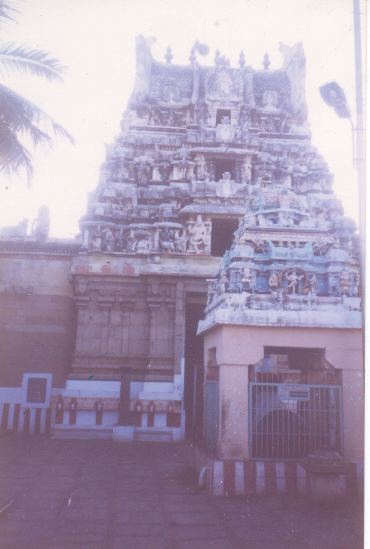
The Uraiyur Temple, located in Tiruchirappalli, stands as a profound testimony to the spiritual and cultural depth of ancient Tamil civilization. Revered as one of the Tevara Stalams south of the river Kaveri, this sacred shrine dedicated to Lord Shiva as Panchavarneswarar carries both historical dignity and spiritual significance.
The Uraiyur Temple is not merely a place of ritual worship; it represents a living tradition of dharma (righteous duty), where divine presence is understood through symbolic forms, sacred legends, and disciplined devotion.
Historical Importance of Uraiyur Temple
Uraiyur, once the ancient capital of the early Chola dynasty, holds a distinguished place in South Indian history. The city, now part of modern Tiruchirappalli, was a center of governance, culture, and spiritual life during the formative years of the Chola Empire.
This temple, also known as Mookkeeswaram, is considered the fifth among the Tevara Stalams located south of the Kaveri river. The hymns of Shaivite saints such as Tirugnana Sambandar affirm its sanctity and establish its importance in the Bhakti tradition.
The Uraiyur Temple is also associated with prominent spiritual personalities such as Pugazh Chola Nayanar and Ko Chengat Chola, both of whom contributed to the spread of devotional culture.
The Deity: Panchavarneswarar and His Unique Manifestation
The presiding deity of Uraiyur Temple is Lord Shiva as Panchavarneswarar, accompanied by Goddess Kantimathi. The name Panchavarneswarar refers to Shiva’s manifestation in five distinct colors at different times of the day.
According to temple tradition, the Shivalinga appears in the following forms:
- Ruby (Ratna) in the morning
- Crystal (Spatika) at noon
- Gold in the afternoon
- Diamond at night
- Chitra (variegated form) at midnight
This unique transformation signifies the changing nature of material perception while pointing toward the eternal, unchanging nature of the Supreme Reality (Brahman). It reflects a key Vedic teaching: while the external world shifts constantly, the divine principle remains fixed and absolute.
Legends of Uraiyur Temple
Worship by Divine and Celestial Beings
The Uraiyur Temple is associated with several sacred legends. It is believed that divine beings such as Garuda, Sage Kashyapa, and the serpent Karkotaka worshipped Lord Shiva here. Their devotion signifies that the path of dharma is universal, transcending species and realms.
The Legend of the Six Shivalingas
One of the most celebrated legends of this temple speaks of six Shivalingas merging into one. According to tradition:
- Five daughters of a serpent king (Nagaraja) worshipped individual Shivalingas
- A Chola king married one of them and requested the sacred Lingam
- All six Lingas merged into a single form under a Vilva tree
This event symbolizes unity in diversity—a central theme in Vedic understanding. Though many forms of worship exist, the ultimate object of devotion is one Supreme Truth.
Architectural Features of Uraiyur Temple
The Uraiyur Temple is modest in scale but rich in artistic expression and symbolic design. The sanctum (garbhagriha) faces east, inviting the first rays of the sun, symbolizing spiritual awakening.
Key Features:
- Separate shrine for Goddess Kantimathi facing south
- Sculptures of Ganesha, Dakshinamurthy, Vishnu, Brahma, and Durga in the niches
- Shrine dedicated to Sage Utanga directly opposite the Nataraja shrine
- Intricate pillar carvings displaying optical artistry—figures that appear as four women from one angle and a horse from another
Such craftsmanship reflects not only artistic skill but also philosophical insight—the idea that perception varies based on perspective.
Spiritual Symbolism and Philosophical Insight
The Uraiyur Temple offers a deeper spiritual message aligned with Vedic teachings:
- The five-colored manifestation of Shiva represents the changing nature of prakriti (material energy)
- The merging of multiple Lingas signifies the unity of all spiritual paths
- The legends emphasize devotion (bhakti) as the means to transcend karma (action and consequence)
From a philosophical standpoint, the temple subtly reminds visitors that the self (ātma) is distinct from the temporary body and external conditions. The divine presence remains constant, just as the essence of the soul remains unchanged despite bodily transformations.
Festivals and Ritual Practices
The temple follows a structured schedule of worship, maintaining the sanctity of daily rituals.
Major Festivals:
- Brahmotsavam (Vaikasi): Celebrates the divine presence with elaborate rituals and processions
- Panchapraharam Festival (Aadi): Marks the circumambulation of the temple, symbolizing the spiritual journey
The annual celebration of the six Lingas merging into one is a significant event that draws devotees seeking spiritual insight and blessings.
Uraiyur Temple in the Context of Chola Tradition
The Cholas were not merely rulers but custodians of dharma. Their temples were centers of education, art, and spiritual practice. The Uraiyur Temple reflects this integrated approach to life.
Unlike grand architectural monuments, this temple emphasizes intimate devotion and philosophical depth. It demonstrates that spiritual realization does not depend on grandeur but on sincerity of practice.
A Living Tradition of Devotion
Even today, the Uraiyur Temple continues to attract devotees who seek blessings, clarity, and inner peace. Its quiet presence amidst the bustling city of Tiruchirappalli offers a space for reflection and spiritual alignment.
The temple stands as a reminder that human life, though temporary, gains purpose when aligned with higher principles of truth and devotion.
Conclusion: The Enduring Relevance of Uraiyur Temple
The Uraiyur Temple is not merely a historical structure but a living embodiment of Vedic wisdom. Through its legends, architecture, and spiritual symbolism, it teaches that divine truth is one, though perceived in many forms.
In a world of constant change, such sacred spaces remind us of an eternal order governing existence. To understand this order is to move closer to one’s true nature beyond temporary identity.
A visit to Uraiyur Temple is thus not only a pilgrimage of the body, but also a journey toward deeper self-realization.
library.vedavarsity.com | www.vedavarsity.com
Deepen your Bhakti-yoga practice, harmonize relationships, and receive guided coaching — all at Vedavarsity.com