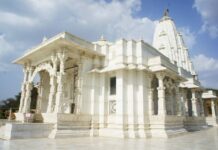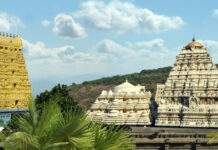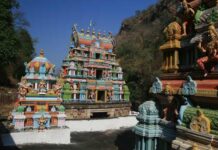



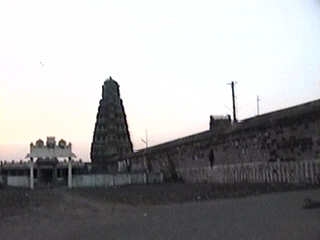
The Nilaattingal Tundam Temple stands as one of the most unique and spiritually layered shrines in the sacred town of Kanchipuram. Located within the innermost precincts of the vast Ekambreswarar Temple, this Divya Desam represents a profound synthesis of devotion, philosophy, and tradition.
Kanchipuram, revered as one of the foremost pilgrimage centers in India, is known for its harmonious coexistence of Shaivite and Vaishnavite traditions. The Nilaattingal Tundam Temple exemplifies this unity, where Lord Vishnu is worshipped within a temple primarily dedicated to Lord Shiva. Such a presence subtly reflects the deeper Vedic understanding that the Supreme Truth manifests in various forms for the upliftment of humanity.
The Sacred Identity of Nilaattingal Tundam Temple
Presiding Deities and Divine Form
The presiding deity of the Nilaattingal Tundam Temple is Nilaattingal Tundattaan, also known as Chandra Chooda Perumaal. The Lord is enshrined in a standing posture, facing west, embodying serenity and divine grace. The divine consort, Nilaattingal Tundattaayaar, also revered as Ner Oruvarillaa Valli, complements the presence of the Lord.
The temple’s sacred tank, known as Chandra Pushkarini, adds to its spiritual significance. Water bodies in temple traditions symbolize purification—not merely of the body, but of the mind and consciousness, guiding one toward clarity of purpose and dharma.
Nilaattingal Tundam Temple and the Concept of Divine Harmony
Integration Within Ekambreswarar Temple
The Nilaattingal Tundam Temple is not a standalone structure; rather, it exists within the Ekambreswarar Temple, one of the Pancha Bhoota Stalams representing the element of earth (Prithvi). This coexistence is not incidental but deeply symbolic.
In Vedic understanding, the Absolute Truth is one (ekam sat), though realized in different aspects. The presence of Vishnu within a Shiva temple demonstrates this non-dual spiritual vision. It gently instructs the sincere seeker that sectarian divisions are superficial, while the essence of spiritual realization remains unified.
Legends Associated with Nilaattingal Tundam Temple
The Mango Tree and Divine Protection
One of the primary legends associated with the Nilaattingal Tundam Temple relates to Goddess Parvati’s penance. She is believed to have worshipped Lord Shiva under a mango tree, fashioning a Shivalinga from earth. The intense heat from Shiva’s divine energy caused the tree to wither.
At this moment, Lord Vishnu, regarded as the brother of Parvati, intervened. He generated cooling waves of nectar, reviving the tree and protecting the sacred act of devotion. This episode illustrates a key principle of Vedic philosophy: divine forces work in harmony to support sincere spiritual effort (sadhana).
Relief from Cosmic Heat
Another legend narrates that Lord Vishnu himself experienced distress during the cosmic event of the churning of the ocean (Samudra Manthan). Seeking relief, he meditated upon Lord Shiva at Kanchipuram. The cooling rays of the moon adorning Shiva alleviated his discomfort, giving rise to the name Nilaattingal Tundattaan—“the Lord associated with the cooling moonlight.”
This story highlights the principle that even the greatest beings honor higher divine arrangements, reinforcing humility as a core spiritual virtue.
Architectural and Cultural Context
The Grand Ekambreswarar Temple Setting
The Nilaattingal Tundam Temple derives much of its physical context from the Ekambreswarar Temple complex. This grand structure, spread over vast grounds, features towering gopurams, intricately carved mandapams, and pillared corridors reflecting the artistic excellence of South Indian temple architecture.
The temple is a product of contributions from various dynasties, including the Pallavas, Cholas, and Vijayanagara rulers. These rulers, guided by dharma, invested in temple construction not merely as political acts but as offerings to sustain spiritual culture.
Within this majestic setting, the Nilaattingal Tundam Temple remains modest in scale but immense in spiritual significance—reminding one that true greatness lies in essence, not in external magnitude.
Nilaattingal Tundam Temple Among the Divya Desams
Reverence in Alwar Hymns
The Nilaattingal Tundam Temple is one of the Divya Desams glorified in the hymns of the Alwars, particularly by Tirumangai Alwar. These saints, through their devotional poetry, emphasized surrender (prapatti) as the highest path to spiritual realization.
In their verses, Nilaattingal Tundam is mentioned alongside other sacred shrines such as Neeragam, Kaaragam, and Kaarvaanam. Many of these shrines are located within larger temple complexes, indicating a network of sacred spaces that collectively guide the devotee.
Kanchipuram as a Sacred Network
Kanchipuram houses multiple Divya Desams and Shaivite temples, forming a spiritual ecosystem. Prominent among them are:
- Varadaraja Perumal Temple (Attigiri)
- Ashtabuyakaram
- Tiruvegkaa
- Tiruvelukkai
- Ulagalanda Perumal Temple
Simultaneously, Shiva temples like Ekambreswarar and Kamakshi Amman Temple anchor the Shakti and Shaiva traditions. The Nilaattingal Tundam Temple stands at the intersection of these traditions.
Worship and Spiritual Practice
Though small in size, the Nilaattingal Tundam Temple is integrated into the daily worship practices of the Ekambreswarar Temple. Devotees visiting the main shrine often include this Divya Desam in their pilgrimage circuit.
Temple worship (archana and darshan) is not merely ritualistic. In Vedic understanding, such practices refine consciousness and gradually awaken awareness of the self (ātma), which is distinct from the temporary body.
The presence of multiple deities within a single complex encourages the devotee to perceive unity within diversity—a central teaching of the Vedic tradition.
Festivals and Devotional Culture
While the Nilaattingal Tundam Temple does not host large independent festivals, it participates in the broader festival calendar of the Ekambreswarar Temple. Major festivals such as Panguni Uthiram, Navaratri, and other annual celebrations draw large gatherings of devotees.
Festivals in temple culture serve not only as occasions of celebration but also as reminders of divine pastimes (lilas). They reinforce collective remembrance of higher principles, guiding society toward dharma.
A Subtle Reflection on Spiritual Unity
The Nilaattingal Tundam Temple quietly conveys a profound spiritual message: that the Divine operates beyond human-imposed distinctions. Whether one approaches through devotion to Shiva or Vishnu, the ultimate goal remains the same—realization of the Supreme Truth.
In this way, the temple becomes not just a place of worship, but a silent teacher.
Conclusion: The Inner Meaning of Nilaattingal Tundam Temple
The Nilaattingal Tundam Temple may appear modest when compared to the grand structures surrounding it, yet its significance is deep and enduring. It represents harmony between traditions, continuity of devotion, and the timeless wisdom of Vedic culture.
For the sincere seeker, such a shrine offers more than historical or architectural interest. It invites introspection. Just as the cooling rays of the moon soothe external heat, spiritual knowledge soothes the disturbances of the mind.
Ultimately, the Nilaattingal Tundam Temple reminds us that true pilgrimage is not only a journey across sacred geography, but also a movement inward—toward clarity, humility, and realization of one’s eternal nature.
library.vedavarsity.com | www.vedavarsity.com
Deepen your Bhakti-yoga practice, harmonize relationships, and receive guided coaching — all at Vedavarsity.com