Virechana therapy is a traditional Ayurvedic purification process designed to eliminate excess pitta dosha through the lower pathways of the body. As one of the principal procedures of Panchakarma, it plays a significant role in cleansing internal systems and restoring balance.
In Ayurveda, health is understood as harmony among bodily functions, governed by the doshas—vata, pitta, and kapha. When pitta becomes aggravated, it leads to accumulation of heat and toxins. Virechana therapy is applied to remove this imbalance in a systematic and controlled manner.
Such purification reflects the broader principle that proper action (karma), performed with knowledge and discipline, leads to clarity and well-being.
What Is Virechana Therapy?
Virechana therapy involves the administration of purgative substances to cleanse the body, particularly targeting pitta-related imbalances.
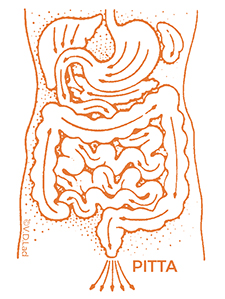
This therapy primarily acts through the digestive tract, facilitating the elimination of accumulated toxins (āma) from:
- Blood (rakta)
- Liver and spleen
- Stomach and small intestine
- Colon
- Sweat glands and kidneys
- Rakta vaha srotas (channels carrying blood)
By clearing these pathways, the therapy supports proper physiological functioning and reduces the burden of toxic accumulation.
Sequence and Preparation for Virechana Therapy
Proper preparation is essential for effective Virechana therapy.
Purva Karma: Preparatory Procedures
Before administering virechana, the body undergoes preparatory steps known as purva karma. These include:
1. Snehana (Internal Oleation)
For three days, medicated oils or ghee are administered internally. This process loosens toxins and prepares them for elimination.
2. Svedana (Sudation or Sweating)
Following oleation, sweating therapies are applied to further mobilize toxins toward the digestive tract.
These preparatory steps ensure that impurities are not only loosened but also directed toward the pathways where elimination can occur efficiently.
Relationship Between Vamana and Virechana
In classical practice, Virechana therapy is often administered after vamana (therapeutic emesis).
- Virechana is typically given three days after vamana
- If vamana is not suitable for an individual, virechana may be administered independently
This sequence reflects a systematic approach to purification, addressing different doshas in an orderly manner.
Such structured progression illustrates the Ayurvedic emphasis on method and timing, rather than random intervention.
Substances Used in Virechana Therapy
A variety of natural substances are used in Virechana therapy, selected based on individual constitution and condition.
Common Purgative Substances
- Triphala
- Castor oil
- Senna (sona mukhi)
- Sat Isabgol (psyllium seeds)
- Flaxseeds
- Prunes and raisins
- Bran
- Cow’s milk
- Cow’s milk with ghee
- Aloe vera
- Bhumi amalaki
- Black sesame seeds
- Salt
- Dandelion root
Stronger or Specific Agents
- Nishottara (croton seed)
- Yellow thistle (suvarnaksheeri)
- Kutki
- Cow’s urine
- Mango juice
Each substance possesses specific qualities (guṇa) and actions that influence the body differently. The selection depends on the severity of imbalance, strength of the individual, and therapeutic goals.
This careful selection reflects the Ayurvedic principle that substances produce effects according to their inherent properties.
Effects and Benefits of Virechana Therapy
The primary goal of Virechana therapy is detoxification and balance.
Key Effects
- Elimination of excess pitta
- Cleansing of digestive organs
- Purification of blood
- Regulation of metabolism
- Support of liver and spleen function
By removing accumulated toxins, the therapy helps restore normal physiological processes.
From a broader perspective, cleansing allows the body to function without obstruction, much like clearing a blocked channel restores natural flow.
Understanding Cleansing Beyond the Physical
While Virechana therapy focuses on physical purification, it also has a subtle dimension.
In Vedic understanding, the body is a vehicle for the self (ātma). When the body is burdened by impurities, clarity of perception may be affected.
By maintaining bodily balance, one supports a more stable condition for thoughtful action and disciplined living.
However, it is important to recognize that the self remains distinct from the body. Cleansing the body is beneficial, but true understanding arises from recognizing one’s deeper identity beyond physical processes.
Importance of Guidance and Discipline
Virechana therapy should be undertaken with proper guidance.
The procedure involves:
- Selection of appropriate substances
- Correct dosage
- Monitoring of response
- Post-therapy care
Without proper supervision, improper application may lead to discomfort or imbalance.
Ayurveda emphasizes that even beneficial processes require knowledge and discipline. When applied correctly, they yield positive results; when misapplied, they may not produce the intended effect.
Post-Therapy Considerations
After completing Virechana therapy, the body requires gradual restoration.
This includes:
- Light and easily digestible diet
- Gradual return to normal food
- Rest and observation
These steps help the body stabilize after the cleansing process.
Such care ensures that the benefits of purification are preserved and integrated.
Conclusion
Virechana therapy is a systematic Ayurvedic method for cleansing excess pitta and restoring internal balance. Through preparatory procedures, controlled administration of purgatives, and proper aftercare, it supports the removal of toxins and the functioning of key bodily systems.
Beyond its physical effects, the therapy reflects a deeper principle: that balance is achieved through informed and disciplined action. By aligning with natural processes, one can maintain health while also cultivating clarity in life.
In this way, purification becomes not only a medical procedure but a reminder that harmony—within the body and beyond—is maintained through thoughtful engagement with nature’s laws.
library.vedavarsity.com | www.vedavarsity.com
Deepen your Bhakti-yoga practice, harmonize relationships, and receive guided coaching — all at Vedavarsity.com