


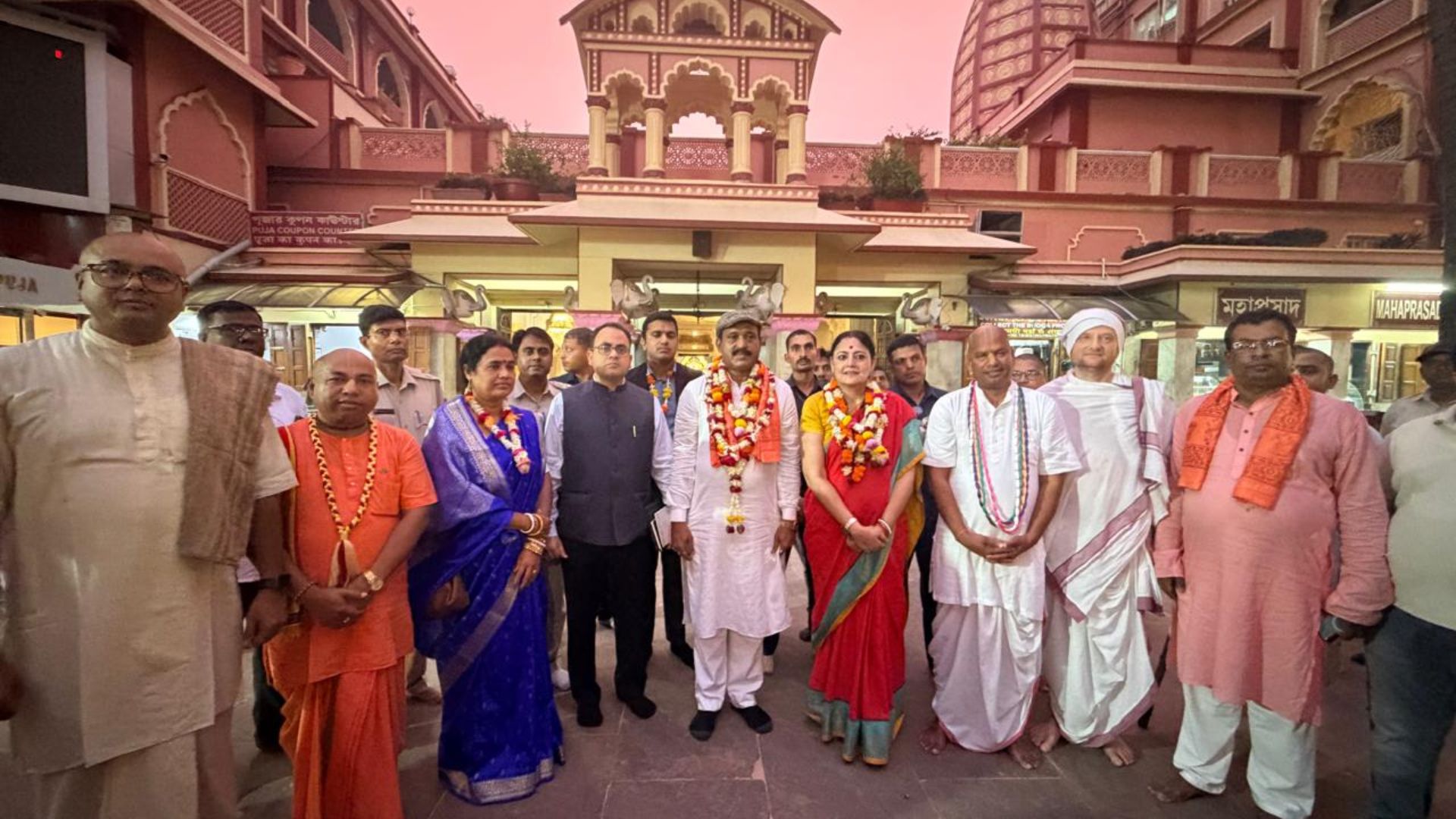
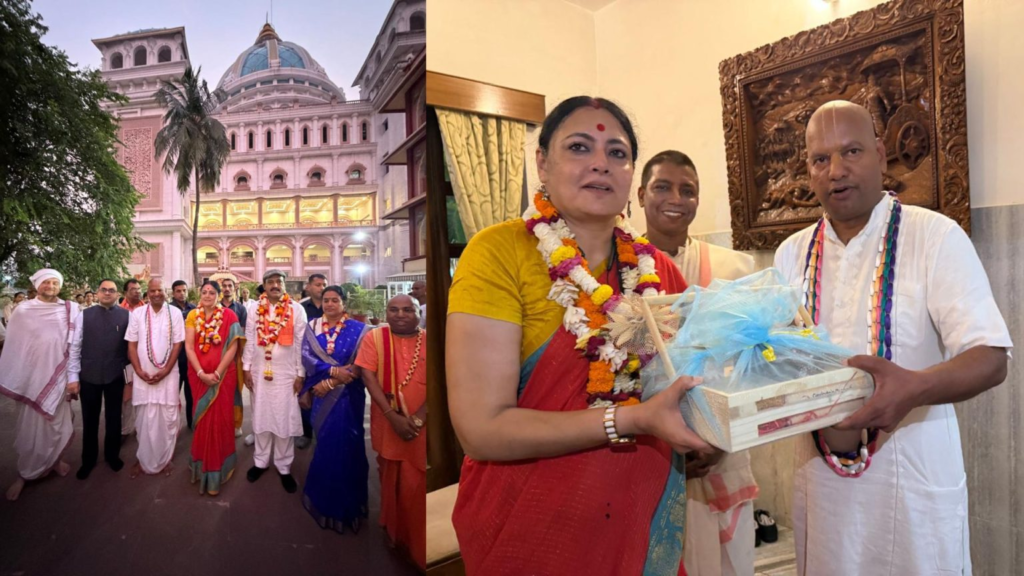
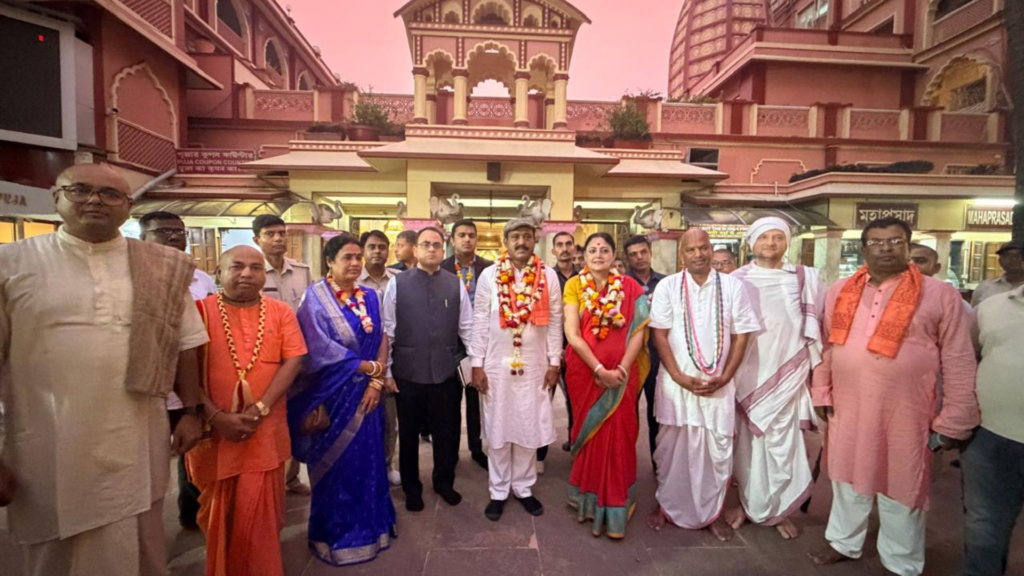
The ISKCON Mayapur development plan marks a significant step towards improving the facilities and infrastructure of Sri Mayapur Dhama, the sacred appearance place of Sri Chaitanya Mahaprabhu. On October 9, 2026, news emerged of West Bengal Urban Development and Municipal Affairs Minister Agnimitra Paul’s visit to ISKCON Mayapur to discuss a proposed development initiative for the holy town and its surrounding areas.
The proposal aims to address essential civic requirements, including roads, drainage, transportation, sanitation and facilities for pilgrims. For the thousands of devotees who visit Mayapur to hear the glories of the Lord, participate in Harinama Sankirtana and receive the association of Vaishnavas, these improvements could make pilgrimage more accessible and comfortable.
Yet, the significance of Mayapur extends far beyond its physical infrastructure. As the birthplace of Sri Chaitanya Mahaprabhu, it holds an unparalleled place in the Gaudiya Vaishnava tradition. Its development therefore invites an important reflection: how can modern facilities support the spiritual purpose of a sacred Dhama?
ISKCON Mayapur Development Plan: An Overview
During her visit, Minister Agnimitra Paul met senior ISKCON representatives and government officials to discuss a comprehensive proposal covering approximately 700 to 800 acres around the temple, together with the nearby township.
The meeting brought together representatives from the state administration, municipal authorities and local leadership. Those present included the Nabadwip legislator, Nadia district officials, senior representatives of the Kolkata Metropolitan Development Authority (KMDA), engineers from the Municipal Engineering Directorate and ISKCON Mayapur representatives.
The proposed initiative seeks to address the growing needs of a pilgrimage destination that attracts visitors from across India and abroad.
According to the minister, the government intends to engage experienced planners and architects from different parts of the country to prepare a development blueprint. The proposal is expected to consider the interconnected needs of residents, pilgrims, tourists and local institutions.
Although the final blueprint and implementation details remain to be established, the discussions indicate an effort to approach Mayapur’s development in a coordinated manner.
What Facilities Are Proposed for Sri Mayapur Dhama?
A major objective of the proposed development is to improve the civic infrastructure that supports everyday life and pilgrimage.
1. Better Roads and Transportation
Road connectivity is essential for a pilgrimage destination receiving large numbers of visitors, particularly during festivals and other important Vaishnava observances.
The proposal includes attention to road networks, visitor transportation and the removal of road encroachments. Better access could help pilgrims travel between the temple, accommodation facilities, riverfront areas and other important locations.
The development of a proposed railway station was also discussed during the meeting. If implemented, improved rail connectivity could make journeys to Mayapur more convenient for devotees who currently depend largely on road transport.
2. Improved Drainage and Sanitation
Effective drainage and waste management are fundamental to maintaining a clean and healthy pilgrimage environment.
The proposed plan includes drainage systems and garbage disposal arrangements. These facilities would be particularly important as the number of visitors and the requirements of the surrounding township continue to grow.
A clean environment also reflects the spirit of seva, or service. Caring for public spaces and protecting the surroundings can become a practical expression of responsibility towards fellow pilgrims and the local community.
3. Street Lighting and Public Safety
The proposal also considers street lighting and other modern civic amenities.
Adequate lighting can support safer movement during early-morning and evening visits, when devotees travel for darshan, attend temple programmes or participate in spiritual activities.
During the discussions, ISKCON representatives also highlighted the need for a fire station. Such a facility would strengthen emergency preparedness for a growing community of residents, visitors and guesthouses.
4. Development of the Ganges Ghat
One of the specific concerns raised by ISKCON Mayapur Co-Director Subhekshana Das was the development of the ghat along the Ganges.
The riverfront is an important part of the pilgrimage experience. Devotees visit the sacred river for spiritual observances, reflection and participation in religious activities.
A well-planned ghat could improve access and help accommodate visitors more safely, especially during major festivals. Its development would need to consider the area’s religious significance alongside practical requirements.
West Bengal Government’s Vision for Mayapur and Nabadwip
Minister Agnimitra Paul compared the proposed transformation of Mayapur with development initiatives in Kolkata, referring to the makeover of College Street and the character of the Tangra area, known for its Chinese cultural heritage.
She emphasised Mayapur’s importance as a destination for visitors from within West Bengal, other parts of India and abroad.
The minister also indicated that the development effort would involve coordination with the Panchayats Department, since the locality falls under its jurisdiction. Such cooperation between departments would be important for planning and implementing civic works across administrative boundaries.
The government is also pursuing separate plans for Nabadwip, one of the five cities selected for the state’s Smart City programme.
Mayapur and Nabadwip share a deep connection through the spiritual heritage of Sri Chaitanya Mahaprabhu and the history of the Gaudiya Vaishnava tradition. Improvements in transportation, sanitation and public facilities in the wider region could benefit both residents and pilgrims.
However, the proposed Mayapur development plan should be understood as an initiative under discussion, rather than a completed project. The final scope, timeline and execution will depend on the subsequent planning and decisions of the relevant authorities.
ISKCON Leaders Welcome the Development Initiative
ISKCON Mayapur representatives welcomed the minister’s visit and expressed appreciation for her willingness to discuss local needs.
Subhekshana Das, Co-Director of ISKCON Mayapur, said that the minister was receptive to the area’s development requirements and emphasised the importance of both Mayapur Dhama and Nabadwip.
He explained that the discussion covered several practical concerns, including the development of the ghat, the proposed railway station, the need for a fire station and the removal of road encroachments.
These issues reflect the requirements of a pilgrimage destination whose facilities must serve both its permanent residents and the growing number of visitors.
Braja Vilasa Das, Vice Chairman of the Temple of the Vedic Planetarium (TOVP) and Co-Director of ISKCON Mayapur, also welcomed the visit. He expressed hope that the government’s engagement would contribute to developing Mayapur as a world-class pilgrimage destination.
Later that evening, Minister Agnimitra Paul attended the temple’s arati, participating in the daily worship offered by the devotees.
Her visit provided an opportunity for discussion between government representatives and the local spiritual community about the future requirements of the Dhama.
The Spiritual Significance of Sri Mayapur Dhama
While roads, drainage and transportation are important for a pilgrimage town, the true identity of Mayapur rests upon its spiritual heritage.
Sri Mayapur is revered as the appearance place of Sri Chaitanya Mahaprabhu, who propagated the congregational chanting of the holy names of Krishna as the principal spiritual process for the present age.
This practice is known as Harinama Sankirtana—the congregational glorification of the Supreme Lord through the chanting of His holy names.
Sri Chaitanya Mahaprabhu taught the importance of developing humility, tolerance and respect for others while constantly chanting the holy name of Krishna. These teachings remain central to the Gaudiya Vaishnava understanding of spiritual life.
For devotees, visiting Mayapur is therefore not merely a journey to a historical or cultural destination. It is an opportunity to associate with devotees, hear the transcendental teachings of the scriptures, participate in kirtana and deepen one’s devotional service.
The concept of Dhama refers to the sacred abode of the Lord. In Vaishnava understanding, the holy Dhama is not defined simply by its geographical features or constructed facilities. Its significance is rooted in its eternal spiritual identity and its relationship with the Supreme Lord and His devotees.
Consequently, material development should ideally support the spiritual purpose for which pilgrims come to Mayapur.
Better roads can ease the journey. Improved sanitation can create a cleaner environment. Safer public spaces can help visitors attend spiritual programmes with greater peace of mind. When planned thoughtfully, these facilities can serve the needs of pilgrimage without diminishing the sacred character of the Dhama.
Balancing Modern Infrastructure with Sacred Heritage
The proposed ISKCON Mayapur development plan presents an opportunity to consider how civic progress and spiritual preservation can complement one another.
A successful approach would need to recognise the needs of residents, pilgrims, local businesses and religious institutions while respecting the distinctive character of Sri Mayapur Dhama.
Thoughtful planning, coordination between government departments and consultation with local stakeholders could help ensure that infrastructure serves the community effectively.
The development of roads, riverfront facilities, drainage and emergency services may improve the practical experience of pilgrimage. At the same time, preserving the area’s religious identity and cultural heritage should remain an important consideration throughout the planning process.
The ultimate measure of progress in a sacred destination is not merely the scale of construction, but how responsibly its facilities serve the people who live there and the devotees who visit for spiritual advancement.
Conclusion: A Promising Step for Sri Mayapur Dhama
The ISKCON Mayapur development plan represents a promising initiative to address the growing infrastructural needs of one of India’s important Vaishnava pilgrimage destinations.
Minister Agnimitra Paul’s visit and discussions with ISKCON leaders have brought attention to essential requirements, including better roads, improved drainage, a developed ghat, stronger emergency preparedness and more convenient transportation.
The proposal remains subject to further planning and implementation. Its eventual impact will depend on how effectively the relevant authorities coordinate their efforts and respond to the needs of the local community.
For devotees, the hope is that these improvements will make the pilgrimage experience more accessible while preserving the spiritual atmosphere of Sri Mayapur Dhama.
May the sacred birthplace of Sri Chaitanya Mahaprabhu continue to welcome pilgrims from every part of the world, inspiring them to hear the transcendental message of Krishna, chant the holy names and cultivate genuine devotion.
Ultimately, the purpose of visiting Mayapur is to strengthen one’s connection with Krishna and advance in devotional service. May all material arrangements support this higher spiritual purpose and help the mercy of Sri Chaitanya Mahaprabhu reach an ever-growing number of souls.
Deepen your Bhakti-yoga practice, harmonize relationships, and receive guided coaching — all at Vedavarsity.com