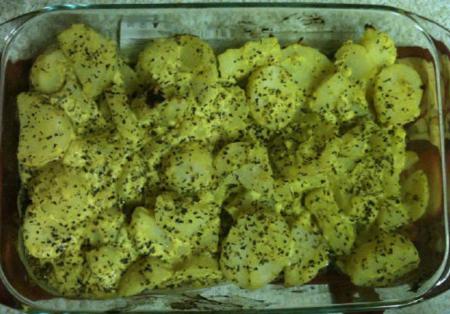
The Alu Gauranga Recipe is a rich and satisfying Vedic vegetarian preparation that combines layers of sliced potatoes, fresh paneer, cream, butter, and carefully selected spices. Baked until tender and golden, this comforting casserole has become a favorite in many devotional communities and family kitchens.
The dish is named after Sri Caitanya Mahaprabhu, who is revered by devotees as the most merciful incarnation of Lord Krishna. Known affectionately as Gauranga, meaning “the golden-limbed one,” He spread the congregational chanting of the Hare Krishna maha-mantra throughout India and inspired a culture centered on devotion, simplicity, and spiritual nourishment.
When served with chapatis and a vegetable preparation, this hearty casserole becomes a complete and deeply satisfying meal.
The Meaning Behind Alu Gauranga
Unlike many conventional potato casseroles, the Alu Gauranga Recipe carries a connection to the devotional traditions of Gaudiya Vaishnavism.
Sri Caitanya Mahaprabhu emphasized the chanting of God’s holy names and taught that even ordinary daily activities can become spiritualized when performed in a mood of service. Cooking is one such activity.
Within the Vedic tradition, food is not prepared merely for enjoyment but as an offering of gratitude to the Supreme Lord. When offered with devotion, the preparation becomes prasadam, meaning “the mercy of the Lord.”
Thus, Alu Gauranga is appreciated not only for its rich flavor but also for the devotional culture it represents.
Why the Alu Gauranga Recipe Is So Popular
The enduring appeal of the Alu Gauranga Recipe lies in its simple ingredients and comforting texture.
Thinly sliced potatoes absorb the flavors of aromatic spices while layers of paneer provide richness and nourishment. Sour cream contributes a smooth, creamy consistency, while butter and herbs add depth and fragrance.
The result is a baked dish that is both substantial and elegant.
Because it can be prepared ahead of time and baked as a single casserole, it is especially suitable for family gatherings, festival meals, and prasadam feasts.
Ingredients for Alu Gauranga
Preparation and Cooking Time
Approximately 1 hour
Main Ingredients
- 1 lb (450 g) paneer
- 10 medium-sized potatoes
- ½ teaspoon asafoetida (hing)
- 3 teaspoons salt
- 1 teaspoon ground black pepper
- 3 tablespoons fresh coriander leaves or thyme, finely chopped
- 3 tablespoons ground coriander
- 3 cups (725 ml) sour cream mixed with 1 teaspoon turmeric
- ¼ cup (50 g) butter
- 2 tablespoons powdered milk
Preparing the Paneer and Potatoes
The quality of the ingredients contributes significantly to the final outcome of the dish.
Begin by rinsing the paneer thoroughly under cold running water. Gather the cheesecloth tightly around the paneer and gently squeeze out most of the remaining moisture.
This step helps improve the texture of the paneer and allows it to absorb the surrounding flavors during baking.
Next, wash and peel the potatoes. Slice them into thin, even rounds to ensure uniform cooking throughout the casserole.
Consistency in slicing helps create well-defined layers and an attractive final presentation.
Building the Layers of Alu Gauranga
The distinctive character of the Alu Gauranga Recipe comes from its carefully arranged layers.
First Layer
Grease a casserole dish or cake pan thoroughly.
Cover the bottom with one-third of the sliced potatoes.
Sprinkle one-third of the following seasonings evenly over the potatoes:
- Asafoetida
- Salt
- Black pepper
- Fresh coriander or thyme
- Ground coriander
Next, add:
- One-third of the crumbled paneer
- One-third of the sour cream mixture
Finish by dotting the layer with one-third of the butter.
Second Layer
Repeat the same sequence:
- Potatoes
- Spices and herbs
- Paneer
- Sour cream mixture
- Butter
Each layer contributes flavor and texture while ensuring that the ingredients remain evenly distributed throughout the casserole.
Third Layer
Create the final layer using the remaining potatoes and all remaining ingredients.
The top layer should be evenly covered to promote uniform baking.
The Finishing Touch
Before baking, sprinkle the powdered milk over the surface in a thin, even layer.
This simple addition helps create an attractive golden finish as the casserole bakes.
The powdered milk also contributes a subtle richness that complements the cream and paneer.
Baking Instructions
Proper baking is essential for achieving the characteristic texture of the Alu Gauranga Recipe.
Cover the casserole tightly with aluminum foil, sealing the edges well.
Place the dish in a preheated oven at:
400°F (200°C)
Bake for approximately 45 minutes.
During this period, the potatoes become tender while absorbing the flavors of the spices, cream, and paneer.
Browning the Top
About ten minutes before the end of the baking time, carefully remove the aluminum foil.
Continue baking uncovered.
This allows the top layer to develop a beautiful golden-brown color while slightly crisping the surface.
The finished casserole should be tender throughout with a lightly browned top.
Serving Suggestions
The Alu Gauranga Recipe is filling enough to serve as a main course and pairs beautifully with a variety of traditional accompaniments.
Recommended side dishes include:
- Chapatis
- Rotis
- Fresh green vegetable sabjis
- Mixed vegetable curries
- Simple salads
- Light soups
- Mung dal preparations
The creamy texture of the casserole contrasts especially well with lighter vegetable dishes.
The Vedic Culture of Nourishment
Vedic cooking recognizes that nourishment extends beyond the body.
According to the Bhagavad-gita, food offered with devotion becomes sanctified and carries spiritual benefit. Therefore, traditional devotional cooking emphasizes purity of ingredients, cleanliness, gratitude, and consciousness during preparation.
The ingredients used in the Alu Gauranga Recipe are simple and wholesome, yet when prepared in a mood of service they become part of a higher process of spiritual culture.
Just as layers of potatoes, paneer, and spices come together to create a harmonious dish, the elements of devotion, gratitude, and remembrance combine to elevate ordinary cooking into an act of worship.
This perspective transforms the kitchen into a place of both nourishment and spiritual growth.
Conclusion
The Alu Gauranga Recipe is a classic Vedic vegetarian casserole that combines tender potatoes, fresh paneer, sour cream, aromatic spices, and herbs into a rich and satisfying preparation. Easy to assemble and ideal for family meals or festive gatherings, it remains a cherished favorite in devotional communities around the world.
Named in honor of Sri Caitanya Mahaprabhu, this preparation reflects the devotional culture that seeks to connect even everyday activities with higher spiritual purpose. Whether served as a comforting family dinner or offered as prasadam, the Alu Gauranga Recipe provides wholesome nourishment, satisfying flavor, and a reminder that food prepared with gratitude can become an expression of devotion.
In the Vedic understanding, every meal offers an opportunity to remember the Supreme Source from whom all sustenance ultimately comes.
Deepen your Bhakti-yoga practice, harmonize relationships, and receive guided coaching — all at Vedavarsity.com