


The Tiruvarur Temple, located near Thanjavur, is one of the most ancient and spiritually profound Shaivite temples in South India. Known for its deep association with sacred hymns, royal patronage, and mystical traditions, this temple holds a central place in the devotional landscape of Tamil Nadu.
The Tiruvarur Temple is especially revered for the worship of Lord Shiva in two significant forms—Vanmikanathar, the presiding deity, and Tyagaraja, whose shrine has drawn particular attention for its symbolic and esoteric significance.
Historical Significance of Tiruvarur Temple
The history of the Tiruvarur Temple can be traced through multiple sources, including Tevaram hymns, inscriptions, and traditional accounts. The temple flourished under the Chola dynasty, which played a vital role in preserving and promoting Shaivite worship.
Saints such as Tirugnana Sambandar, Appar, and Sundarar sang in praise of this sacred site, describing not only the spiritual importance of the temple but also the vibrant cultural life surrounding it.
The Tevaram literature refers to grand festivals, processions, and community participation, indicating that Tiruvarur was a major center of religious life as early as the first millennium CE.
The Deities of Tiruvarur Temple
Vanmikanathar: The Moolavar
The primary deity of the Tiruvarur Temple is Lord Shiva as Vanmikanathar. The name originates from the legend that Shiva appeared within an anthill (valmika) in response to the prayers of the gods.
This form symbolizes the hidden presence of the divine—unseen yet ever-present—much like the ātma (self), which exists beyond external perception.
Tyagaraja: The Somaskanda Manifestation
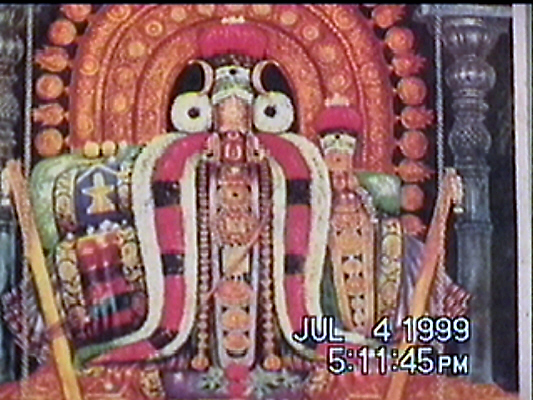
The Tyagaraja shrine is the most celebrated aspect of the temple. Tyagaraja represents the Somaskanda form of Shiva, where Shiva is depicted with Goddess Uma and their son Skanda.
This form is symbolic of:
- Harmony within creation
- Continuity of lineage
- Balance between power (Shakti) and consciousness (Shiva)
The Somaskanda form is not merely artistic but philosophical—it reflects the unity of existence, where all aspects of life are interconnected.
The Legend of Tyagaraja and Vishnu
According to temple tradition, the image of Tyagaraja was originally created and worshipped by Vishnu. This highlights the unity between different aspects of divinity within the Vedic framework.
Later, the image came to be associated with King Mucukunda Chola, who is believed to have brought seven images of Somaskanda from the celestial realm of Indra.
These seven sacred images were installed in different temples across the Chola kingdom, forming the group known as the Sapta Vitanka shrines.
Sapta Vitanka Shrines and Their Importance
The Tiruvarur Temple is one of the seven Sapta Vitanka shrines, each housing a unique form of Tyagaraja.
These temples collectively represent:
- The descent of divine presence into the earthly realm
- The continuity of spiritual tradition across regions
- The role of kings in upholding dharma
The Sapta Vitanka tradition emphasizes that divine grace is not confined to one place but manifests in multiple sacred locations for the benefit of humanity.
Ajapaa Natanam: The Mystical Dance of Tyagaraja
One of the most unique aspects of the Tiruvarur Temple is the concept of Ajapaa Natanam, associated with the Tyagaraja deity.
Meaning of Ajapaa Natanam
Ajapaa means “that which is not chanted aloud.” It refers to the natural rhythm of breath—the unconscious repetition of the divine sound “So-Ham” (I am That).
Tyagaraja is believed to perform a subtle dance in harmony with this breath, symbolizing the connection between the individual soul and the universal consciousness.
This concept aligns with a fundamental Vedic teaching: spiritual realization begins with awareness of the inner self.
Temple Layout and Architecture
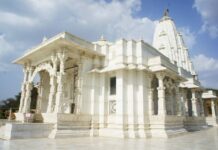
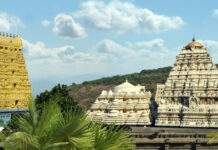
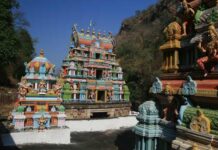
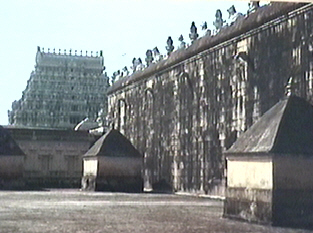
The Tiruvarur Temple is vast in scale, reflecting the architectural excellence of the Chola period. The complex includes:
- Multiple shrines dedicated to various deities
- Spacious mandapams (halls) for rituals and gatherings
- Towering gopurams marking the entrances
The layout is designed not only for ritual practice but also for spiritual movement—from the outer world toward the inner sanctum, symbolizing the journey from material consciousness to self-realization.
Saints and Spiritual Legacy of Tiruvarur
Tiruvarur is closely associated with several Shaivite saints whose lives exemplify devotion and surrender.
Among them are:
- Naminandi Adigal
- Dandi Adigal
- Somaasi Mara Nayanar
Additionally, the Tiruttondattokai hymn mentions 62 Nayanmars, highlighting the temple’s role as a center of devotional excellence.
These saints demonstrated through their lives that bhakti (devotion) transcends social status and intellectual achievement.
Spiritual Interpretation and Philosophical Insight
The Tiruvarur Temple offers a layered spiritual message:
- The anthill form of Vanmikanathar represents the hidden nature of the divine
- The Somaskanda form emphasizes unity in diversity
- The Ajapaa Natanam points to inner awareness as the path to realization
From a Vedic perspective, these teachings guide the individual toward understanding that:
- The body is temporary (asat)
- The soul is eternal (sat)
- True knowledge lies in recognizing this distinction
Such insights elevate temple worship from ritual activity to spiritual practice.
Festivals and Cultural Life
The Tevaram hymns describe the vibrant festivals of Tiruvarur, indicating a rich tradition of communal worship.
These festivals serve multiple purposes:
- Reinforcing social unity
- Preserving cultural heritage
- Encouraging collective remembrance of the divine
They also reflect the principle of karma-yoga, where actions performed in a spirit of devotion contribute to spiritual growth.
Conclusion: The Eternal Relevance of Tiruvarur Temple
The Tiruvarur Temple stands as a profound symbol of spiritual depth, historical continuity, and philosophical insight. Its unique combination of mythology, architecture, and devotional practice makes it one of the most significant Shaivite temples in India.
Through the worship of Vanmikanathar and Tyagaraja, the temple teaches that divine truth is both hidden and manifest—accessible to those who seek with sincerity.
In a world often driven by external pursuits, such sacred spaces remind us to turn inward, to recognize the eternal presence within. The journey to Tiruvarur Temple thus becomes not only a physical pilgrimage but also a step toward understanding the deeper nature of existence.
library.vedavarsity.com | www.vedavarsity.com
Deepen your Bhakti-yoga practice, harmonize relationships, and receive guided coaching — all at Vedavarsity.com