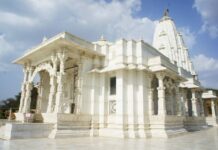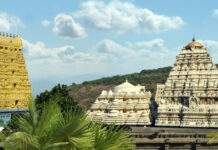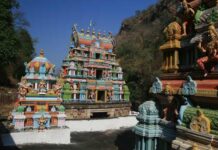
The Tirumaaliruncholai Temple, popularly known as Azhagar Koyil, stands as one of the most revered Divya Desams in South India. Located near Madurai, this ancient shrine is dedicated to Lord Vishnu in the form of Kallazhagar. Surrounded by serene hills and sacred streams, the Tirumaaliruncholai Temple represents a harmonious blend of devotion, nature, and timeless Vedic tradition.
This temple is not merely a place of worship but a living center of spiritual culture, where sacred hymns, rituals, and festivals continue to guide generations toward dharma (righteous living) and higher realization.
The Sacred Identity of Tirumaaliruncholai Temple
Kallazhagar: The Divine Protector
At the heart of the Tirumaaliruncholai Temple is Lord Vishnu, worshipped as Kallazhagar, also known by names such as Sundararajar, Paramaswamy, and Rishabhadrinathar. The deity is enshrined in a standing posture, facing east, radiating calm authority and divine grace.
The consort of the Lord, Sundaravalli Thayar, is worshipped alongside him, symbolizing compassion and nurturing energy within the divine order.
The name “Kallazhagar” reflects the Lord’s association with the Kallar community of the region, where he is revered as a guardian deity. This connection illustrates how divine worship adapts to local traditions while retaining universal spiritual principles.
Tirumaaliruncholai Temple in Vaishnavite Tradition
Reverence in Divya Prabandham
The Tirumaaliruncholai Temple holds a prominent place among the 108 Divya Desams glorified by the Alwars. Esteemed saints such as Periyalwar, Andal, Tirumangai Alwar, Nammalwar, Bhoothathalwar, and Peyalwar have composed a remarkable 128 verses praising this sacred site.
These hymns emphasize surrender (prapatti) and devotion (bhakti) as the means to transcend material limitations. Through such compositions, the temple becomes not only a geographical location but also a spiritual ideal guiding the seeker toward realization of the Supreme.
Legends of Tirumaaliruncholai Temple
Divine Construction and Cosmic Purpose
According to sacred tradition, the temple’s vimana, known as the Somasundara Vimanam, was designed by Vishwakarma, the celestial architect. It is believed that Dharma Deva himself requested Lord Vishnu to reside here permanently, making Tirumaaliruncholai Temple a divine abode established through righteous intent.
Such narratives convey a deeper principle: when actions align with dharma, they invite divine presence and blessings.
The Sacred Noopura Ganga
The temple’s holy water source, Noopura Ganga, also known as the Silambaar river, is believed to have originated from the anklet (noopura) of Lord Vishnu. Bathing in this sacred water on auspicious days such as full moon and dwadasi is considered purifying.
Water in Vedic tradition represents both physical cleansing and the subtle purification of consciousness, reminding the devotee of the need to cleanse the mind of impurities such as pride and attachment.
Architectural Grandeur and Natural Setting
A Temple Amidst Hills and Fortifications
The Tirumaaliruncholai Temple is situated amidst picturesque hills that resemble the form of a cow, hence the name Vrishabhadri. The temple is fortified by two layers of protection—Azhagapuri (outer fort) and Hiranyapuri (inner fort)—symbolizing both physical and spiritual safeguarding.
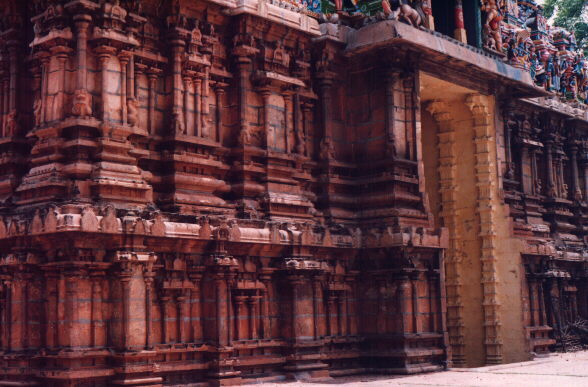
The main entrance, known as Hiranyankottai Vaasal, leads into a complex rich in architectural beauty. Mandapams such as the Tirumalai Nayakar Mandapam and Kalyana Mandapam display intricate sculptures depicting scenes from the Puranas.
Sculptural and Artistic Excellence
The temple features remarkable stone carvings, including life-sized depictions of Narasimha, Krishna, Garuda, and Trivikrama. The Anna Vahana Mandapam illustrates mythological narratives, offering both aesthetic and educational value.
The gold-plated flagstaff and ornate festival idols further highlight the temple’s artistic heritage, developed under the patronage of dynasties such as the Cholas, Vijayanagara rulers, and Nayaks.
Associated Shrines and Cultural Integration
Within the temple complex, shrines to various deities such as Valampuri Vinayakar, Saraswati, Yoga Narasimhar, and Karuppannaswami are present. The latter is particularly significant as the guardian deity of the region, closely associated with local traditions.
The famous eighteen steps of the temple are considered symbolic of Karuppannaswami’s presence, and the temple doors themselves are revered as manifestations of divine protection.
Nearby lies Pazhamudircholai, one of the six sacred abodes (Arupadai Veedu) of Lord Murugan. This proximity reflects the interconnectedness of various streams of devotion within the broader Vedic tradition.
Festivals of Tirumaaliruncholai Temple
Chittirai Festival: A Grand Spiritual Celebration
The most celebrated event at the Tirumaaliruncholai Temple is the Chittirai festival, which coincides with major festivities in Madurai. During this time, Lord Kallazhagar is taken in a grand procession to the banks of the Vaigai River, where he resides for several days before returning to the temple.
This festival attracts thousands of devotees and represents the dynamic nature of temple traditions, where the deity interacts symbolically with the community.
Annual Rituals and Utsavams
Other important festivals include:
- Brahmotsavam in the month of Aadi
- Vasantotsavam in Vaikasi
- Tirukkalyanam in Panguni
- Sacred bathing rituals in Noopura Ganga during Aippasi
Each festival serves as a reminder of divine pastimes and encourages collective participation in spiritual life.
Spiritual Significance of Tirumaaliruncholai Temple
The Tirumaaliruncholai Temple offers more than visual grandeur or historical importance. It represents a path of inner refinement. The serene hills, sacred waters, and devotional atmosphere together guide the mind toward contemplation.
In Vedic understanding, the self (ātma) is eternal and distinct from the temporary body. Pilgrimage to such sacred places helps one gradually detach from material identification and move toward self-realization.
The temple’s association with dharma, devotion, and divine protection reinforces the idea that the Supreme guides all beings according to their sincerity and actions (karma).
Conclusion: A Living Tradition of Devotion
The Tirumaaliruncholai Temple stands as a luminous example of India’s enduring spiritual heritage. Through its legends, architecture, festivals, and sacred geography, it continues to inspire devotion and introspection.
While the temple draws countless visitors for its beauty and traditions, its deeper purpose lies in elevating consciousness. It quietly reminds the seeker that beyond the changing world lies a permanent reality governed by divine order.
In this way, the journey to Tirumaaliruncholai Temple becomes not just a pilgrimage of distance, but a step toward understanding one’s eternal connection with the Supreme.
library.vedavarsity.com | www.vedavarsity.com
Deepen your Bhakti-yoga practice, harmonize relationships, and receive guided coaching — all at Vedavarsity.com