Gaura Kishora Das Babaji Samadhi: Why Is It So Sacred?
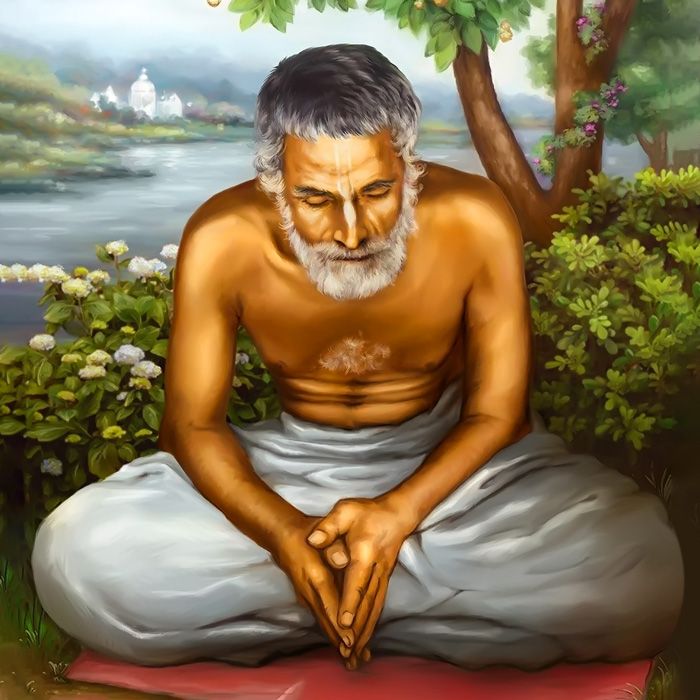
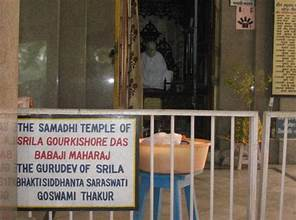
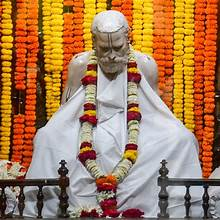
The divine site of Gaura Kishora Das Babaji Samadhi stands as a powerful reminder of pure renunciation (vairāgya) and unwavering devotion (kevala-bhakti). The samādhi of Gaura Kishora Das Babaji Maharaj, the initiating spiritual master of Bhaktisiddhanta Sarasvati Thakura, is not merely a memorial—it is a living place of spiritual potency.
For sincere seekers walking the path of bhakti, the Gaura Kishora Das Babaji Samadhi reveals the essence of complete surrender to Śrī Kṛṣṇa and detachment from worldly illusion (māyā).
The Life of Renunciation Behind Gaura Kishora Das Babaji Samadhi
Understanding the Gaura Kishora Das Babaji Samadhi requires reflecting on the extraordinary life of the saint himself.
A Life in Vraja
Gaura Kishora Das Babaji Maharaj resided in the sacred land of Vraja (Vṛndāvana-dhāma), performing deep bhajana (meditative devotional practice) in places such as:
- Vrindavan
- Govardhan Hill
- Radha Kund
- Shyama Kund
- Nandagram
These places are saturated with Kṛṣṇa’s pastimes (līlā), and his presence there reflects the ideal of rāgānugā-bhakti—spontaneous devotion.
Gaura Kishora Das Babaji Samadhi and Extreme Renunciation
One of the defining aspects of the Gaura Kishora Das Babaji Samadhi is the intense renunciation practiced by Babaji Maharaj.
Hidden from the World
In Navadvipa, he chose to reside in an abandoned latrine to avoid materialistic association (asat-saṅga).
This act demonstrates:
- Complete detachment from bodily comfort
- Indifference to social honor (māna-apamāna)
- Exclusive absorption in the holy name
Even the District Judge and Police Superintendent were denied entry. Yet, he lovingly gave darśana to sincere seekers.
Recognition of a True Disciple
A significant event connected to the Gaura Kishora Das Babaji Samadhi is his interaction with Bhakti Prajnana Keshava Goswami Maharaj (then Vinoda-bihari Brahmachari).
Spiritual Vision
Though externally blind, Babaji Maharaj possessed divine vision (divya-dṛṣṭi). Recognizing genuine devotion, he:
- Opened the door with affection
- Offered blessings
- Instructed him in pure bhajana
This illustrates that spiritual qualification is not external but internal—based on sincerity (śraddhā).
Daily Bhajana and Association
Despite blindness, Babaji Maharaj maintained strict devotional discipline.
Crossing the Ganga
He would daily cross the Ganges River while loudly chanting the holy names.
His destination:
- To hear hari-kathā (spiritual discourse) from Bhaktivinoda Thakura
This reflects the principle:
sadhu-saṅga, sadhu-saṅga sarva-śāstre kaya
“Association with devotees is essential.”
The Divine Departure
The Gaura Kishora Das Babaji Samadhi is rooted in the sacred moment of his departure.
Utthana Ekadashi
Babaji Maharaj left this world on the auspicious day of Utthana Ekadashi, 17 November 1915.
In Vedic understanding:
- Departure on Ekādaśī is spiritually significant
- It indicates divine grace and perfection
Establishment of Gaura Kishora Das Babaji Samadhi
Samadhi Ceremony
Bhaktisiddhanta Sarasvati Thakura personally placed his spiritual master into samādhi according to Samskāra-dīpikā (Vedic rites manual).
The original location:
- Nūtana-caḍā in ancient Kuliyā (present-day Navadvipa)
Relocation Due to Ganga Flood
When the Ganges River flooded:
- There was danger to the samādhi
- It was respectfully relocated
Final resting place:
- Near Radha Kund at Sri Chaitanya Math
Spiritual Significance of Samadhi
The Gaura Kishora Das Babaji Samadhi is not an ordinary.
What is Samadhi?
In Gauḍīya Vaiṣṇava tradition:
- Samādhi is the resting place of a realized soul
- It is considered spiritually alive
- Devotees receive blessings (kṛpā) there
A Place of Pilgrimage
Devotees visit the samādhi to:
- Offer respects (praṇāma)
- Meditate on renunciation
- Seek inspiration for bhajana
Lessons from Gaura Kishora Das Babaji Samadhi
1. True Renunciation is Internal
External austerity is secondary to detachment from ego and desire.
2. Avoid Material Association
Babaji Maharaj’s life teaches strict avoidance of distractions.
3. Chanting is Supreme
His constant chanting exemplifies:
- nāma-bhajana (devotion through the holy name)
4. Value of Sadhu-Sanga
Even a perfected soul sought association with devotees.
Philosophical Reflection
The life represented by the Gaura Kishora Das Babaji Samadhi aligns with teachings of the Bhagavad-gītā:
vihāya kāmān yaḥ sarvān pumāṁś carati niḥspṛhaḥ
“One who gives up all desires attains peace.”
Babaji Maharaj’s renunciation was not dry—it was filled with divine (prema-bhakti).
Relevance in Modern Times
In today’s world:
- Distractions are abundant
- Spiritual focus is weakened
The Gaura Kishora Das Babaji Samadhi reminds us:
- Simplicity leads to clarity
- Devotion surpasses material success
- Inner purity is the true goal
Conclusion: Gaura Kishora Das Babaji Samadhi as a Beacon of Bhakti
The Gaura Kishora Das Babaji Samadhi stands as a timeless beacon of pure devotion and renunciation. Through the life and teachings of Gaura Kishora Das Babaji Maharaj, we learn that spiritual perfection lies in humility, chanting, and complete surrender to Kṛṣṇa.
By meditating on this sacred site, one can gradually develop detachment from the temporary world and attachment to the eternal service of the Lord.
Deepen your Bhakti-yoga practice, harmonize relationships, and receive guided coaching — all at Vedavarsity.com