Yama-Yami Mandira: The Sacred Festival of Bhaiya-Duja
Introduction
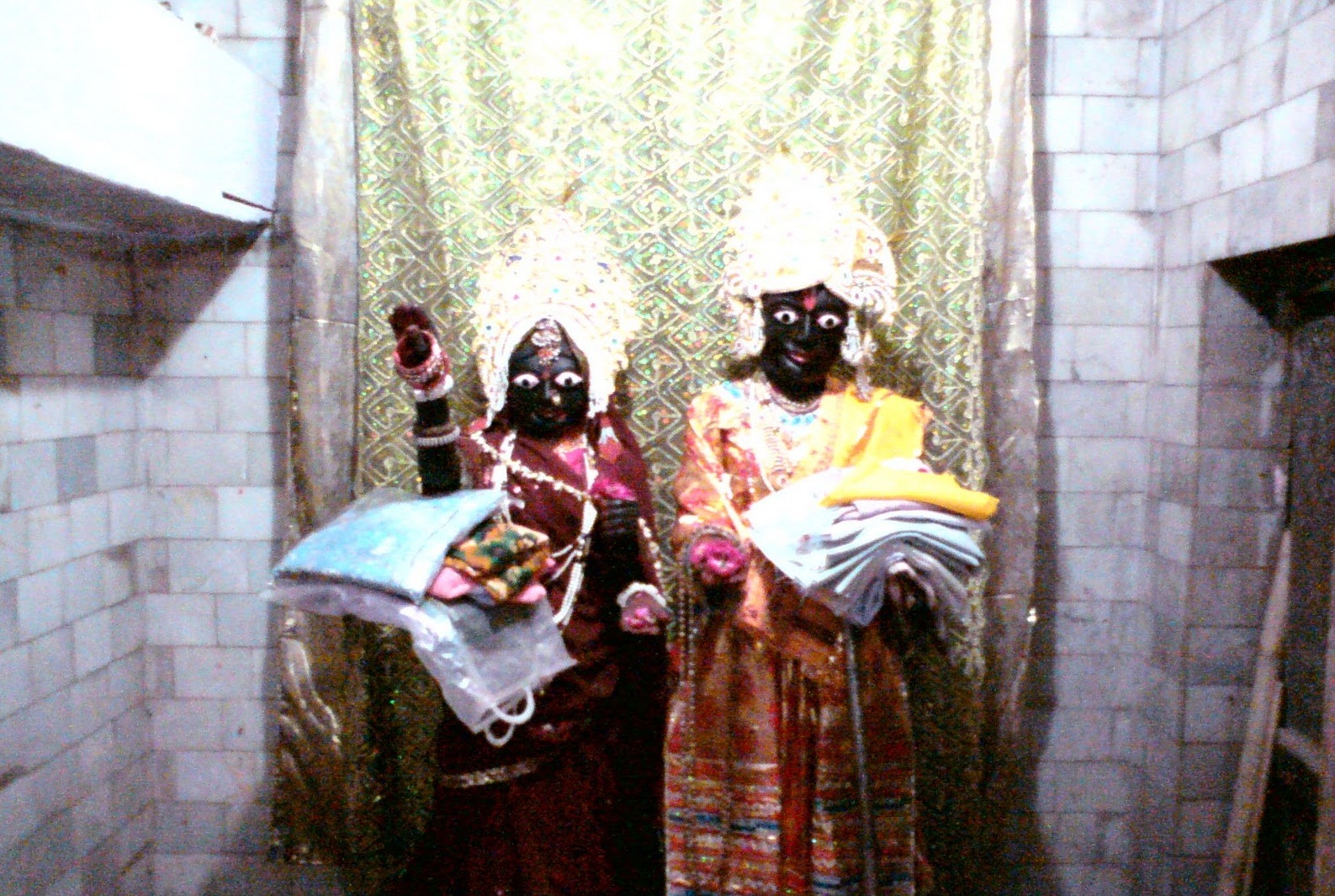
The Yama-Yami Mandira stands as a deeply sacred and culturally rich place of worship in Vraja, embodying the divine relationship between brother and sister. This holy shrine, dedicated to Yamaraja and Yamuna, reveals profound spiritual truths about love, duty, and liberation.
The Yama-Yami Mandira becomes especially significant during the auspicious festival of Bhaiya-duja, also known as Yama-dwitiya, when thousands gather to celebrate this divine bond and receive spiritual blessings.
The Divine Personalities: Yamaraja and Yamuna Devi
Children of the Sun God
Yamaraja and Yamuna are the children of Surya, also known as Sūrya-nārāyaṇa.
- Yamaraja: The lord of justice and death (dharma-rāja), who judges the कर्म (karma) of all living beings.
- Yamuna Devi: The sacred river goddess, purifier of sins, and bestower of divine grace.
Their relationship exemplifies affection (sneha) and dharmic responsibility.
The Legend Behind Yama-Yami Mandira
A Long-Awaited Reunion
According to sacred tradition, Yamaraja long desired to meet his beloved sister Yamuna.
At last, he visited her on her birthday.
Yamuna’s Loving Reception
Yamuna Devi welcomed her brother with:
- Great honor (satkāra)
- Affectionate service (sevā)
- A delicious meal prepared with devotion
Pleased by her loving hospitality, Yamaraja offered her a boon (vara).
The Divine Boon
Yamuna Devi requested:
- That any brother and sister who bathe together in her waters on this sacred day would be freed from sins
- That they would not have to face Yamaraja’s judgment after death
Yamaraja replied:
“So be it.”
Alternate Blessings
In another version:
- Brothers visiting their sisters and accepting a meal will be freed from hellish suffering (naraka)
- Sisters who serve their brothers will never become widows
These blessings reflect the sanctity of familial love when centered in dharma.
Bhaiya-Duja: The Festival of Sacred Bond
When and How It Is Celebrated
The festival takes place during the holy month of Kārtika, just after Govardhana Puja.
On this day:
- Brothers and sisters gather in large numbers
- They bathe in the sacred Yamuna River
- They perform worship at the Yama-Yami Mandira
Vishrama Ghata: The Sacred Bathing Place
The holy bathing ritual is performed at Vishram Ghat, a spiritually potent site in Mathura.
Bathing here on Bhaiya-duja is believed to:
- Purify sins (pāpa)
- Grant spiritual merit (puṇya)
- Strengthen familial bonds
Spiritual Significance of Yama-Yami Mandira
Liberation Through Devotion
The Yama-Yami Mandira teaches that:
- Love expressed through service can transcend karma
- Devotion purifies even the gravest sins
- Divine blessings can override material laws
The Role of Relationships in Bhakti
In Vedic culture:
- Relationships are not merely social—they are spiritual
- Serving family members with devotion becomes an offering to the Divine
This aligns with the teachings of Krishna, who encourages loving service in all aspects of life.
Symbolism of the Festival
Brother-Sister Bond
Bhaiya-duja symbolizes:
- Protection (rakṣaṇa)
- Affection (prema)
- Mutual duty (dharma)
Victory Over Fear of Death
Since Yamaraja grants exemption from his judgment, the festival represents:
- Freedom from fear
- Assurance of divine protection
- Hope for liberation (mokṣa)
Cultural and Social Importance
Unity in Vraja
During the festival:
- Families reunite
- Communities gather
- Devotion is collectively expressed
The Yama-Yami Mandira becomes a center of joy, unity, and spiritual upliftment.
Preservation of Tradition
Such festivals:
- Sustain Vedic culture
- Teach younger generations spiritual values
- Reinforce dharmic living
Practical Lessons for Modern Life
Cultivating Loving Relationships
The teachings of the Yama-Yami Mandira remind us to:
- Value family bonds
- Express gratitude and care
- Serve with sincerity
Spiritualizing Daily Life
Even simple acts—like sharing a meal—can become sacred when performed with devotion.
Conclusion
The Yama-Yami Mandira stands as a timeless reminder of the sacredness of relationships and the power of devotion. Through the divine exchange between Yamaraja and Yamuna, we learn that love, service, and sincerity can transcend even the laws of karma.
By observing Bhaiya-duja with faith and devotion, one not only strengthens familial bonds but also moves closer to spiritual liberation. Thus, the Yama-Yami Mandira continues to inspire countless devotees to embrace a life centered on dharma and divine love.
Deepen your Bhakti-yoga practice, harmonize relationships, and receive guided coaching — all at Vedavarsity.com