



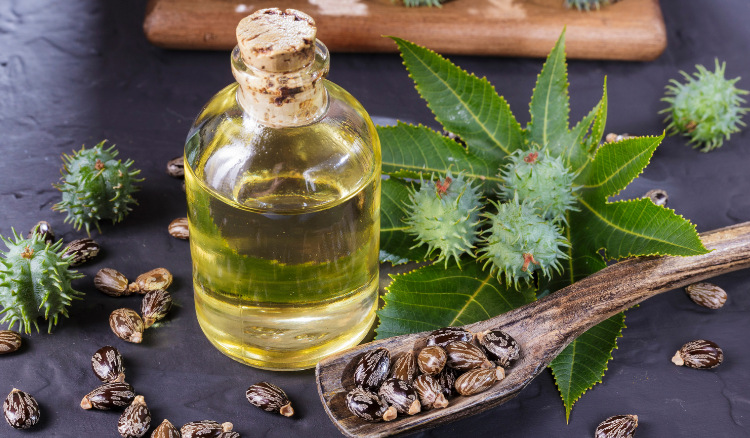
Castor oil in Ayurveda has a long history rooted in traditional Indian approaches to health and wellness. Known in Sanskrit as Eranda, the castor plant has been used in Ayurvedic formulations, particularly in traditional approaches to digestion, joint discomfort, and external oil applications.
Today, castor oil has attracted renewed attention through social media, where people discuss applying it to the abdomen, massaging it into the skin, and using it in home wellness routines. Yet understanding this traditional oil requires more than following popular trends.
Ayurveda emphasizes that every substance has particular qualities and that its suitability depends on the individual, the condition being addressed, and the manner of use. At the same time, traditional descriptions should not be confused with proof of medical effectiveness.
By examining Eranda through the principles of Ayurveda while respecting modern safety guidance, we can better understand its traditional place in wellness practices.
What Is Castor Oil in Ayurveda?
In Ayurvedic literature, the castor plant is known as Eranda. Its oil is obtained from the seeds of Ricinus communis, a plant found in many tropical and subtropical regions.
Castor oil is distinctive because it contains a high proportion of ricinoleic acid, a fatty acid associated with its physical and biological properties. In modern medicine, castor oil is used in certain regulated products, including stimulant laxatives.
Traditional Ayurveda considers substances according to their qualities, taste, potency, and effects after digestion. These characteristics help practitioners determine how a substance may be used within an individualized treatment approach.
Castor oil has traditionally been associated with particular therapeutic applications, including preparations for constipation and external massage. However, its traditional reputation does not establish that every commonly advertised use is effective or safe.
A fundamental principle of responsible Ayurvedic practice is that a remedy should be selected according to the person’s needs rather than applied indiscriminately.
Understanding Eranda Through the Three Doshas
Ayurveda describes three functional principles known as doshas: Vata, Pitta, and Kapha. These principles help explain individual differences in bodily tendencies and responses to the environment.
A person’s constitution, current condition, digestion, age, and other circumstances may influence the choice of an Ayurvedic preparation.
Vata: Movement and Regulation
Vata is associated with movement, dryness, and variability. In traditional Ayurvedic practice, aggravated Vata is sometimes associated with dryness, irregular bowel movements, and musculoskeletal discomfort.
Eranda oil has traditionally been used in certain Vata-related preparations. External massage with a suitable oil may also help moisturize dry skin and provide a soothing experience.
However, persistent constipation or joint pain should not automatically be attributed to a dosha imbalance. Such symptoms may have different underlying causes and may require medical assessment.
Pitta: Heat and Transformation
Pitta is associated with heat, digestion, and transformation. Ayurvedic practitioners consider a person’s digestive state and other characteristics when selecting oils or herbal preparations.
Castor oil should not be assumed to be suitable for every Pitta-related complaint. Its effects depend on the preparation, route of administration, and individual circumstances.
In particular, castor oil should not be placed in the eyes to address burning, redness, or dryness. Eye symptoms require appropriate eye care, and products not specifically approved for ophthalmic use can cause harm.
Kapha: Structure and Stability
Kapha is associated with structure, stability, and lubrication. Traditional Ayurvedic assessments consider factors such as heaviness, sluggishness, and an individual’s overall constitution.
Although castor oil appears in traditional formulations addressing various conditions, there is no reliable evidence that applying it to the navel removes toxins, stimulates the liver, or dissolves cysts.
The three-dosha framework can offer a traditional way of understanding individual differences, but it should not be used to make unsupported medical claims.
External Uses of Castor Oil: What Should You Know?
External application is one way people encounter castor oil today. Its thick, oily consistency can help soften and moisturize the skin.
1. Skin Moisturization
Castor oil can act as an emollient, helping reduce moisture loss from the skin. Some people use a small amount on dry areas such as the hands, elbows, or feet.
Before using it more widely, apply a small quantity to a limited area of skin and observe for irritation. Discontinue use if redness, itching, swelling, or discomfort develops.
People with persistent rashes, broken skin, or suspected skin infections should seek appropriate medical advice rather than relying on oil alone.
2. Massage and Local Comfort
Oil massage, known as abhyanga in Ayurveda, is a traditional practice involving the application of oil to the body.
A gentle massage may promote relaxation and provide temporary comfort. Warmth may also feel soothing when applied appropriately to tense muscles.
Castor oil is thick and may be difficult to spread, so it can be inconvenient for full-body massage. Anyone using a warm compress should avoid excessive heat to prevent burns.
Evidence that castor oil itself treats arthritis, deep tissue inflammation, or other underlying musculoskeletal conditions remains limited.
3. Castor Oil Packs and Abdominal Application
Castor oil packs have become popular in contemporary wellness routines. They generally involve applying oil to a cloth and placing it on the skin.
Some people find the warmth and resting period relaxing. However, claims that these packs detoxify the liver, improve the function of abdominal organs, or break down cysts have not been established by reliable clinical evidence.
Applying oil to the navel has no demonstrated special ability to deliver its effects to internal organs. The navel is not a proven route for cleansing the body or correcting internal imbalances.
Those who enjoy gentle topical applications should regard them as optional comfort practices rather than proven treatments for disease.
4. Castor Oil and Sun Protection
Traditional plant oils sometimes appear in natural skincare recipes, but castor oil mixed with neem oil is not a proven substitute for sunscreen.
For protection against ultraviolet radiation, use a broad-spectrum sunscreen with SPF 30 or higher, along with shade, protective clothing, and other appropriate sun-safety measures.
Natural ingredients should not be assumed to provide adequate sun protection simply because they have been used historically.
Internal Use of Castor Oil: Traditional Practice and Safety
Internal use is an especially important area in which traditional knowledge must be approached carefully.
Castor oil has been used as a stimulant laxative. It can trigger bowel movements, but it may also cause abdominal cramping, diarrhea, nausea, and dehydration.
In Ayurveda, internal preparations have traditionally been selected according to the individual’s condition and the practitioner’s assessment. Such practices should not be interpreted as an invitation to self-prescribe castor oil for digestive complaints or supposed detoxification.
Important precautions:
- Do not take castor oil during pregnancy unless specifically directed by an appropriate medical professional; it may stimulate uterine contractions.
- Avoid self-treatment with castor oil if bowel obstruction is suspected or if severe abdominal pain or unexplained vomiting occurs.
- People with chronic digestive conditions, significant dehydration, or ongoing medication use should consult a qualified healthcare professional before considering oral castor oil.
- Do not use repeated doses to pursue weight loss or cleanse the body.
- Seek medical advice if constipation persists or is accompanied by blood in the stool, severe pain, or other concerning symptoms.
Castor oil is not a general liver detoxification remedy. The liver and kidneys already perform essential functions in processing substances and eliminating waste.
A qualified Ayurvedic practitioner working within appropriate medical safeguards can help explain traditional preparations, while a licensed medical professional can assess symptoms and identify conditions requiring treatment.
The Deeper Ayurvedic Principle: Individualized Care
One of the most valuable lessons of Ayurveda is that health cannot be reduced to a single remedy for everyone.
The traditional concepts of prakriti, or individual constitution, and vikriti, or the person’s current state of imbalance, illustrate the importance placed on individual assessment.
A substance that may be appropriate in one context may be unsuitable in another. Preparation, quantity, timing, digestive condition, age, and other health factors can all influence a treatment decision.
This principle encourages discernment rather than unquestioning acceptance of every wellness trend.
It also invites us to approach traditional knowledge with both respect and responsibility. Ancient practices can be studied for their historical significance and potential value without assuming that every claim has already been scientifically validated.
Conclusion: Exploring Castor Oil in Ayurveda Responsibly
Castor oil in Ayurveda represents an important example of how a traditional plant preparation has continued to attract interest across generations. Known as Eranda, it has historical applications in certain digestive preparations and external oil practices.
Its modern uses require careful distinction between established properties, traditional beliefs, and claims that remain unproven. Castor oil can help moisturize the skin, and certain regulated oral products are used as laxatives, but it should not be regarded as a cure-all or a substitute for appropriate medical care.
The broader lesson of Ayurveda is to understand the qualities of a substance, consider individual circumstances, and seek informed guidance before using a remedy therapeutically.
By combining thoughtful study of traditional knowledge with responsible health decisions, we can appreciate Ayurveda’s rich heritage while avoiding unnecessary risks and unsupported promises.
Deepen your Bhakti-yoga practice, harmonize relationships, and receive guided coaching — all at Vedavarsity.com