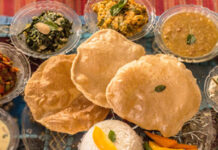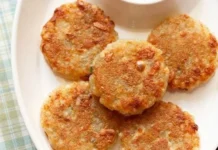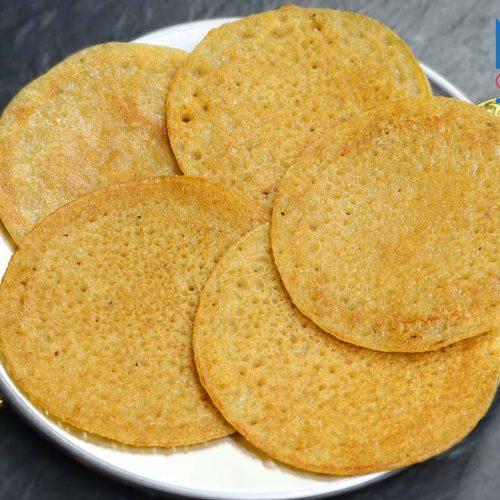
The Pudla Recipe is a traditional preparation that transforms humble ingredients into a satisfying and flavorful meal or snack. Made primarily from chick-pea flour, fresh vegetables, herbs, and aromatic spices, pudla offers a wholesome alternative to conventional pancakes while remaining simple to prepare.
Popular in various regions of India, these savory pancakes are valued for their versatility, nutritional qualities, and rich flavor. The basic recipe can be customized with additional vegetables such as mung bean sprouts, grated carrots, chopped parsley, or small cubes of potato, making it adaptable to seasonal ingredients and personal preferences.
The Pudla Recipe also reflects a principle often found in traditional Vedic cooking: simple foods, thoughtfully prepared, can provide nourishment, satisfaction, and balance without unnecessary complexity.
What Is Pudla?
Pudla is a savory pancake made from chick-pea flour, also known as besan. Unlike sweet pancakes, pudla incorporates vegetables, herbs, and spices that create a rich and satisfying flavor profile.
The batter is prepared by combining flour, water, vegetables, and seasonings before being slowly cooked on a griddle or frying pan until golden-brown and crisp.
Because chick-pea flour is naturally rich in plant-based protein and fiber, pudla has long been appreciated as a nourishing and practical food suitable for breakfast, lunch, or light evening meals.
Why the Pudla Recipe Is Popular
Several characteristics contribute to the enduring appeal of pudla:
Quick Preparation
The batter can be prepared in minutes without fermentation or lengthy resting periods.
Versatile Ingredients
Various vegetables can be incorporated according to taste and availability.
Rich Flavor
A blend of cumin, coriander, turmeric, ginger, chilies, and fresh herbs creates a balanced and aromatic preparation.
Nutritious Composition
Chick-pea flour provides protein and fiber, while fresh vegetables contribute vitamins and minerals.
These qualities make the Pudla Recipe both practical and satisfying for modern households.
Pudla Recipe
Preparation Time
15 minutes
Cooking Time
Approximately 5 minutes for each pudla
Ingredients
- 2 cups (200 g) chick-pea flour
- ½ cup (50 g) white flour
- 1 teaspoon ground cumin
- 1–2 fresh green chilies, seeded and minced
- ¼ teaspoon asafoetida (hing)
- ¾ teaspoon turmeric
- 1½ teaspoons salt
- ¼ teaspoon black pepper
- 1 teaspoon ground coriander
- 2 tablespoons fresh coriander leaves or parsley, minced
- 1¼ cups (300 ml) cold water
- 1 teaspoon grated fresh ginger
- 2 medium-sized tomatoes, chopped
- 1 green bell pepper, diced
- Ghee or butter for frying
- 3 tablespoons lemon juice
How to Prepare Pudla Batter
Step 1: Combine the Dry Ingredients
In a large mixing bowl, combine:
- Chick-pea flour
- White flour
- Ground cumin
- Minced green chilies
- Asafoetida
- Turmeric
- Salt
- Black pepper
- Ground coriander
- Fresh coriander leaves or parsley
Mix thoroughly to distribute the ingredients evenly.
Step 2: Add Water
Gradually pour the cold water into the mixture while stirring continuously.
Mix until a thick but smooth pancake batter forms.
The consistency should be thick enough to hold the vegetables while remaining easy to pour.
If the batter appears slightly thick, do not be concerned. The moisture released from the tomatoes will naturally thin it during cooking.
Step 3: Add Vegetables and Ginger
Stir in:
- Grated fresh ginger
- Chopped tomatoes
- Diced green bell pepper
Mix well so that the vegetables are evenly distributed throughout the batter.
Set the batter aside while preparing the frying pan.
How to Cook Pudla
Step 1: Heat the Pan
Place a 10–12 inch (20–26 cm) frying pan over medium heat.
Add approximately one tablespoon of ghee or butter and allow it to melt.
Step 2: Pour the Batter
Pour enough batter into the pan to create two pancakes approximately 4–5 inches (10–13 cm) in diameter.
Perfectly round shapes are not essential.
More important is maintaining a consistent thickness throughout each pancake to ensure even cooking.
Step 3: Cook Slowly
Allow the pancakes to cook gradually on one side until golden-brown.
Turn carefully and cook the second side until equally crisp and well browned.
This process typically takes 4–5 minutes per pudla.
Step 4: Continue Cooking
Repeat the process until all the batter has been used.
Use approximately one teaspoon of ghee or butter for each additional pudla.
Step 5: Finish with Lemon Juice
Once cooked, sprinkle fresh lemon juice over the hot pancakes.
Serve immediately for the best flavor and texture.
Variations of the Traditional Pudla Recipe
One of the strengths of the Pudla Recipe is its adaptability.
The original preparation can be enhanced with additional vegetables, including:
Mung Bean Sprouts
Provide texture and additional plant-based nutrition.
Grated Carrots
Add natural sweetness and color.
Chopped Parsley
Contributes freshness and aroma.
Small Cubes of Potato
Create a heartier and more substantial pancake.
These variations allow cooks to adapt the recipe according to season, availability, and preference.
Serving Suggestions
Pudla may be served in several ways.
As a Light Meal
Serve hot with yogurt, chutney, or fresh salad.
As a Snack
Enjoy with a squeeze of lemon and a simple dipping sauce.
Alongside Soups
The crisp texture complements vegetable soups and lentil preparations.
As Part of a Complete Meal
Pair with rice, vegetables, and yogurt for a balanced vegetarian menu.
The Significance of Simplicity in Traditional Cooking
Traditional Vedic cooking often demonstrates how ordinary ingredients can be transformed through thoughtful preparation. The Pudla Recipe is an excellent example of this principle.
Chick-pea flour, vegetables, herbs, and spices are simple components, yet when properly combined they create a flavorful and nourishing dish.
This reflects a broader truth found in Vedic wisdom. The value of an action is not determined solely by its complexity but by the consciousness and care with which it is performed. Just as attentive actions produce meaningful results according to the principle of karma, attentive cooking naturally yields better nourishment and satisfaction.
A meal prepared with gratitude and mindfulness can contribute not only to physical well-being but also to a more balanced state of mind.
Nutritional Benefits of Pudla
The Pudla Recipe offers several nutritional advantages.
Plant-Based Protein
Chick-pea flour provides a valuable source of protein.
Dietary Fiber
Fiber supports digestion and promotes satiety.
Essential Nutrients
Fresh vegetables contribute vitamins, minerals, and antioxidants.
Balanced Energy
The combination of legumes, vegetables, and herbs creates sustained nourishment suitable for daily meals.
Tips for Best Results
Use Fresh Chick-Pea Flour
Fresh flour improves both flavor and texture.
Maintain Moderate Heat
Cooking too quickly may brown the exterior before the interior is fully cooked.
Distribute Vegetables Evenly
Even distribution ensures consistent flavor in every bite.
Serve Immediately
Pudla is best enjoyed fresh from the pan while still crisp and hot.
Conclusion
This traditional Pudla Recipe offers a practical and flavorful way to enjoy the nutritional benefits of chick-pea flour, fresh vegetables, and aromatic spices. Easy to prepare and highly adaptable, it remains a valued preparation in traditional Indian cooking.
Whether served as a snack, light meal, or accompaniment, pudla demonstrates how simple ingredients can be transformed into something nourishing and satisfying. Prepared with attention, gratitude, and care, this classic recipe continues to reflect the timeless wisdom of wholesome cooking and balanced living.
Deepen your Bhakti-yoga practice, harmonize relationships, and receive guided coaching — all at Vedavarsity.com