



Overview
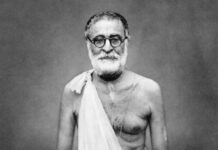
Who is actually qualified to lead kīrtana? In this article from 1916, Śrīla Sarasvatī Ṭhākura clearly explains the adhikāra (qualification) for one to lead kīrtana and states that it is not all about melody etc. This article has been translated from Bengali by Swami B.V. Giri.
Amongst the nine processes of bhakti, kīrtana is considered to be the best type of devotional service. Perfection in the other eight processes can only be achieved along with kīrtana. Kṛṣṇa-kīrtana cleanses the mirror of the jīva’s impure heart, it extinguishes the flames of material existence which manifests as the ocean of birth and death. Its favourable rays emanate supreme auspiciousness for the jīva. It is the very life of transcendental emotions. It increases the jīva’s bliss in performing service to Kṛṣṇa. At every step it makes one taste complete nectar, and all souls become blissful by it. As such, kṛṣṇa-kīrtana cannot be performed artificially.
Only with pure transcendental intelligence can the performer of kīrtana chant the divine Names of Kṛṣṇa with a serving disposition. When a singer’s concern is based upon other desires, or covered with karma and jṣāna, then kṛṣṇa-kīrtana searches for material benefits and does not remain as a limb of bhakti. For this reason, Śrī Śrīman Mahāprabhu gave only one instruction to the jīvas:
tṛṇād api sunīcena taroriva sahiṣṇunā
amānenā mānadena kīrtanīyaḥ sadā hariḥ
Becoming devoid of all types of mundane pride, considering oneself lower than an insignificant blade of grass in this world, developing the quality of tolerance like a tree, freeing oneself from all types of mundane egotism but giving respect even to the mundane egotism of others, the jīva should incessantly sing the name of Kṛṣṇa. If one comes under the spell of material egotism, considering oneself mundane, thinking oneself as being susceptible to attack by mundane objects, greedy to gain temporary respect or disrespecting other material objects, then the fully spiritual Name of Hari will never be chanted at any time.
Being blessed with high material birth and congratulating oneself for it, being full of self-praise, attaining incomparable wealth and thinking oneself as very wealthy, considering oneself a scholar by striving hard to understand the Vedic scriptures and, having acquired the beauty of Kandarpa (the god of love), boasting about one’s beauty—then at every step, being fully engrossed in mundane glories, one becomes bewildered. Such a person can never sing Kṛṣṇa’s Holy Name like an akiṣcana.
Those who are obsessed with melody (sura), tempo (laya), rhythm (tāla) and tone (māna) are deprived of a true taste for the Holy Name and will never attain the eligibility to sing songs about Kṛṣṇa. Those who are bewildered and show no genuine enthusiasm towards the songs of Kṛṣṇa, cannot attain the right to sing. Those who are overwhelmed by ill motives and, with the desire for pratiṣṭhā display pride in kīrtana, also do not achieve the qualification to sing the Holy Name. Only those who are indifferent to matter, dedicated to transcendental service and engaged in singing nāma with a non-duplicitous mind, have the eligibility to actually sing the Holy Name.
(First published in Sajjana Toṣaṇī, Vol. 19, Issue 10, 1916)
Deepen your Bhakti-yoga practice, harmonize relationships, and receive guided coaching — all at Vedavarsity.com