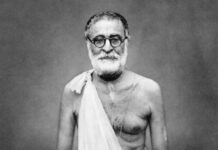



Śrī Gopāla Bhaṭṭa Gosvāmī was one of the principal associates of Śrī Caitanya Mahāprabhu and is counted among the revered Gosvāmīs of Vṛndāvana. He is also included among the Chāyā Gosvāmīs, those intimate followers who assisted the Six Gosvāmīs in establishing the theological, literary, and devotional foundations of the Gauḍīya Vaiṣṇava sampradāya.
Birth and Family
Gopāla Bhaṭṭa Gosvāmī was born on the tṛtīyā (third lunar day) of the dark fortnight of Pauṣa (December–January), traditionally in the year 1500 CE, although some authorities, including Gaura-paricāra-carita, state that he was born in 1503 CE. His birthplace was the village of Velaguṇḍi near Śrīraṅgam, situated on the banks of the sacred Kāverī River in the Trichinapalli district of South India.
His father, Śrī Veṅkaṭa Bhaṭṭa, was a highly respected Vaiṣṇava belonging to the Śrī (Rāmānuja) sampradāya. He was learned in Vaiṣṇava scriptures and renowned for his devotion to Lord Nārāyaṇa. The family resided in close proximity to the famous temple of Lord Raṅganātha at Śrīraṅgam.
Association with Śrī Caitanya Mahāprabhu
During His tour of South India, Śrī Caitanya Mahāprabhu came to Śrīraṅga-kṣetra and stayed at the house of Veṅkaṭa Bhaṭṭa while observing the Cāturmāsya vow in the year 1511 CE. During this four-month period, the Lord held extensive discussions on Vaiṣṇava philosophy with Veṅkaṭa Bhaṭṭa and other members of his family, establishing the supremacy of Śrī Kṛṣṇa as the original Personality of Godhead and the position of Śrīmatī Rādhārāṇī as the highest object of devotion.
At that time, Gopāla Bhaṭṭa was still a young boy. Nevertheless, he received the special mercy of Śrī Caitanya Mahāprabhu, who showed him affection and inspired in him a deep attachment to devotional service. According to traditional accounts, the Lord instructed Gopāla Bhaṭṭa that in the future he should go to Vṛndāvana and dedicate his life to serving the holy dhāma and assisting in the propagation of pure devotional service.
Journey to Vṛndāvana and Renunciation
After the disappearance of his parents, Gopāla Bhaṭṭa Gosvāmī left Śrīraṅgam and traveled north to Vṛndāvana, following the instruction and inner inspiration received from Śrī Caitanya Mahāprabhu. There he associated closely with Śrī Rūpa Gosvāmī, Śrī Sanātana Gosvāmī, and the other Gosvāmīs, living a life of strict renunciation, simplicity, and intense devotional practice.
He fully embraced the path of vairāgya (renunciation), maintaining himself with minimal necessities and dedicating his time to scriptural study, writing, Deity worship, and the establishment of Vaiṣṇava standards of conduct (ācāra).
Śrī Rādhā-Ramaṇa Deity
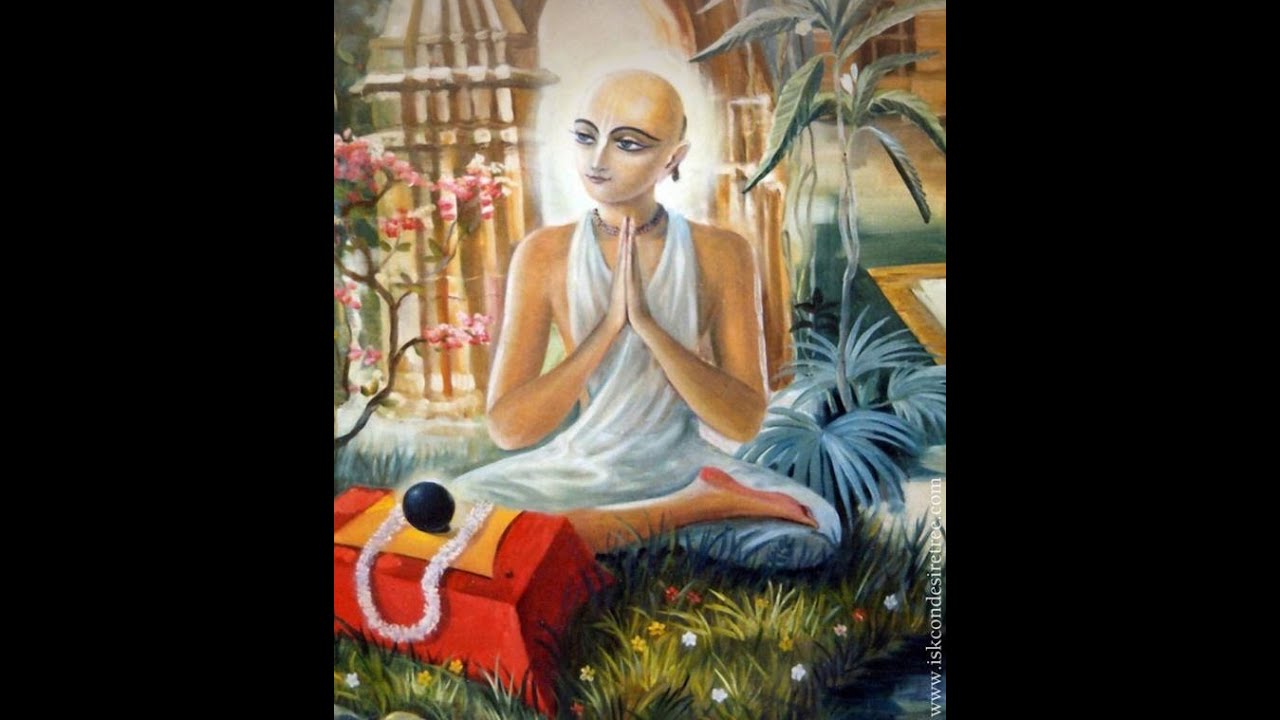
One of the most significant contributions of Gopāla Bhaṭṭa Gosvāmī was the manifestation and worship of the Deity Śrī Rādhā-Ramaṇa. According to tradition, Gopāla Bhaṭṭa possessed twelve sacred śālagrāma-śilās. From one of these śilās, the self-manifest Deity of Śrī Rādhā-Ramaṇa appeared, possessing full Deity features.
Because the Deity was self-manifest, no separate installation ceremony was required. Gopāla Bhaṭṭa Gosvāmī personally worshiped Śrī Rādhā-Ramaṇa with great devotion, establishing a standard of worship that continues unbroken to this day in Vṛndāvana. The worship of Śrī Rādhā-Ramaṇa is especially revered within the Gauḍīya Vaiṣṇava tradition.
Literary Contributions
Gopāla Bhaṭṭa Gosvāmī was a profound scholar and made lasting contributions to Gauḍīya Vaiṣṇava literature and practice. His most important work is Hari-bhakti-vilāsa, which he compiled primarily from notes left by Śrī Sanātana Gosvāmī. This authoritative text systematically presents Vaiṣṇava rituals, samskāras, Deity worship, Ekādaśī observance, vows, festivals, and daily devotional practices.
He also authored Sat-kriyā-sāra-dīpikā, further elaborating on Vaiṣṇava rites and conduct. These works played a crucial role in organizing and standardizing Gauḍīya Vaiṣṇava practice and are frequently cited by later ācāryas, including Śrīla Prabhupāda.
Identity in Kṛṣṇa-līlā
According to Gaura-gaṇoddeśa-dīpikā, Gopāla Bhaṭṭa Gosvāmī is identified as Ananga-mañjarī, the younger sister of Śrīmatī Rādhārāṇī, who assists in the intimate pastimes of the Divine Couple. Some authorities, however, identify him as Guṇa-mañjarī. Such identifications are traditionally accepted as revelations of eternal devotional service in Kṛṣṇa-līlā.
Disappearance
Śrī Gopāla Bhaṭṭa Gosvāmī spent his life in Vṛndāvana absorbed in devotional service, Deity worship, and scriptural contribution. His disappearance day is observed by Gauḍīya Vaiṣṇavas as an occasion for remembrance and gratitude for his service to Śrī Caitanya Mahāprabhu’s mission.
Deepen your Bhakti-yoga practice, harmonize relationships, and receive guided coaching — all at Vedavarsity.com