


Overview
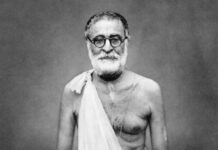
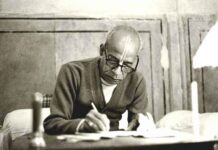
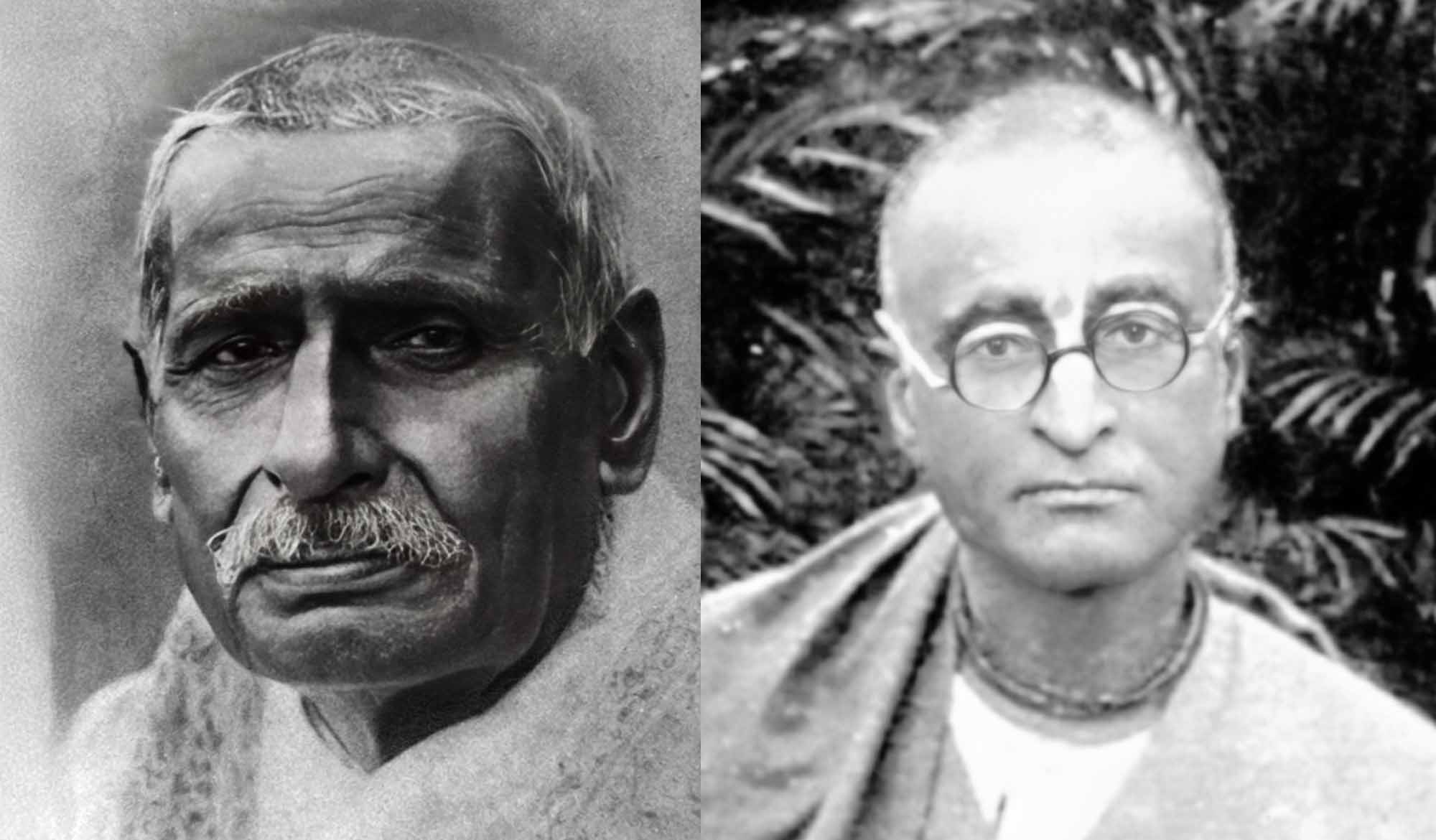
The following conversation between Śrīla Bhaktisiddhānta Sarasvatī Ṭhākura Prabhupāda and Paṇḍita Hara Prasāda Śāstrī took place on Sunday 12th January 1930, between 1:30 and 3:30pm, at the home of Śāstrī Mahāśaya in Kolkata. Hara Prasāda Śāstrī was one of the most renowned academics in Bengal during the early 20th century. In this conversation with him, Sarasvatī Ṭhākura discusses a variety of topics in connection with Buddhism and the four Vaiṣṇava sampradāyas. This conversation was originally published in The Gauḍīya magazine (10th Year, Issues 39-41) and also in the book, ‘Sarasvatī Saṅlāpa’ published by Śrī Caitanya Maṭha, Māyāpura. It was translated into English by Śrīman Sanātana Dāsa Adhikārī and edited by Swami B.V. Giri.
Accompanying Śrīla Prabhupāda was the manager of Śrī Gauḍīya Maṭha, Ācāryatrika Śrīpāda Kuñja-vihārī Vidyābhūṣaṇa, Paṇḍita-pravara Śrīpāda Atūla-candra Bandhyopadhyāya Bhakti-sāraṅga Gosvāmī Bhakti-śāstrī, Paṇḍita Śrīyukta Jagad-uddhāraṇa Bhakti-bāndhava B.A., the editor of The Gauḍīya, Śrīyukta Sundarānanda Vidyāvinoda and others.
Mahā-mahopadhyāya Paṇḍita Hara Prasāda Śāstrī Mahāśaya was very sick at that time. Without the help of a cane, or without the help of others, he cannot move anywhere. He used to always stay in a three-storeyed house. The respected servitors of Śrī Gauḍīya Maṭha went to the house of Śāstrī Mahāśaya to invite him to Śrīdhāma Māyāpura-Navadvīpa Paramārtika Exhibition. The supremely independent and causelessly merciful, Oṁ Viṣṇupāda Śrīla Bhaktisiddhānta Sarasvatī Gosvāmī Prabhupāda, came to Paṇḍita Mahāśaya, and graciously revealed a flow of hari-kathā and kīrtana there, establishing an auspicious victory for the welfare of the world. Hearing of the most auspicious arrival of Śrīla Prabhupāda, Mahā-mahopadhyāya Paṇḍita Mahāśaya stood up from his reclining chair and welcomed Śrīla Prabhupāda with honour befitting an ācārya.
Śāstrī: Please come, please come! Why have you taken the trouble to come here? My leg is broken. Once my leg heals, I myself would have come, Whatever it may be – by taking your darśana, I am very happy.
Śrīla Prabhupāda: I did not see you for a long time, so I have come to see you.
Śāstrī: Yāṅhāra darśane mukhe āise kṛṣṇa-nāma, tāṅhāke jāniha tumi vaiṣṇava-pradhāna (‘A superior Vaiṣṇava is he whose very darśana makes others chant kṛṣṇa-nāma.’). This is written in your texts itself. Seeing you, I am reminded of all the memories that occurred many years ago.
Jhāmaṭpura, the appearance place of Śrīla Kṛṣṇa Dāsa Kavirāja Gosvāmī
Śāstrī: One saheb once asked me, “Is Kavirāja Gosvāmī’s house located near your residence?” I replied, “Yes. Once, almost sixty-years back, I went to Jhāmaṭpura.”
Śrīla Prabhupāda: The place now known as the ‘Salar’ railway station is very close to the village of Jhamatpur. As a symbol to the memory of Kavirāja Gosvāmī’s previous āśrama, there is service to Śrī Gaura-Nityānanda there. Currently, no descendant from Kavirāja Gosvāmī’s previous āśrama resides in Jhāmaṭpura, nor has anyone provided any connection to Kavirāja Gosvāmī Prabhu.
Why Kavirāja Gosvāmī’s brother from his previous āśrama was a follower of ardha-kukkuṭa–nyāya (half-chicken logic)
Although Kavirāja Gosvāmī’s brother, from his previous āśrama, maintained some verbal respect towards Mahāprabhu, he did not have such a transcendental consideration towards Śrī Nityānanda Prabhu. For this reason, Kavirāja Gosvāmī Prabhu called the brother from his previous āśrama an ardha-kukkuṭa-nyāyāvalambī (the follower of half-chicken logic), and leaving Jhāmaṭpura, he resided in Śrī Vṛndāvana till the last day of his life.
The time of Kavirāja Gosvāmī’s appearance
Śāstrī: Surely you must have discussed the period of Kavirāja Gosvāmī’s appearance. What is the exact time of his appearance?
Śrīla Prabhupāda: You know that I have analysed jyotiṣa-śāstra (astrological texts) to some extent. In regards to ascertaining the time period of Kavirāja Gosvāmī, we can take into account some incidents. In the last section of some manuscripts of the Caritāmṛta, one śloka is found determining the time period of the completion of the Caritāmṛta to be 1537 of the Śaka Era (1615 CE).
śāke sindhv-agni-vāṇendau jyaiṣṭhe vṛndāvanāntare
sūryāhe’sita-pañcamyāṁ grantho’yaṁ pūrṇatāṁ gataḥ
In Vṛndāvana, in the year 1537 of the Śaka Era, in the month of Jyaiṣṭha, on Sunday, the fifth day of the waning moon, this work has been completed. (Caitanya-caritāmṛta, Antya-līlā 20.157)
Some say that this śloka was put there by the person who copied the text, and not by the composer, Kavirāja Gosvāmī. Among the texts that have been mentioned by Kavirāja Gosvāmī in his work, we see the name of the book, Gopāla Campū.
The time of the composition of Gopāla Campū, Caitanya-candrodaya Nāṭaka, Śrī Caitanya-bhāgavata, and Śrī Caitanya-caritāmṛta
Śāstrī: Who has written the book, Gopāla Campū?
Śrīla Prabhupāda: Śrīla Jīva Gosvāmī Prabhu.
Śāstrī: So what were you saying?
Śrīla Prabhupāda: The book, Gopāla Campū was composed in 1512 of the Śaka Era (1590 CE). Hence, the period that Kavirāja Gosvāmī Prabhu wrote his work was after 1512 Śakābda.
Śāstrī: Was the book, Caitanya-candrodaya Nāṭaka written before Gopāla Campū?
Śrīla Prabhupāda: Yes. 1498 Śakabda (1576 CE) was when Śrī Caitanya-candrodaya Nāṭaka was composed.
Śāstrī: Caitanya-candrodaya is by Kavi Karṇapura?
Śrīla Prabhupāda: Yes. It is written by Śrī Paramānanda Kavi Karṇapura, who was the son of Śrīla Śivānanda Sena. Śrīla Śivānanda Sena was a resident of Hālisahar. Purī Dāsa was Kavi Karṇapura.
Śāstrī: Are Paramānanda Dāsa and Kavi Karṇapura the same person?
Śrīla Prabhupāda: Paramānanda Dāsa was given the titles ‘Purī Dāsa’ and ‘Kavi Karṇapūra’ by Śrī Caitanyadeva. Kavi Karṇapūra Gosvāmī wrote his works until 1498 Śakābda (1576 CE). Books of Rāḍhīya Śrīnivāsa and Raghavānanda’s Dina-candrikā which were written before 1521 Śakābda (1599 CE), as well as the Smārta scholar Raghunandana’s works such as Ekādaśī-tattva, Malamāsa-tattva etc. are quoted in Kavirāja Gosvāmī’s writings. This suggests that Caitanya-caritāmṛta was composed after these works. Śrī Raghunātha Dāsa Gosvāmī, a contemporary of Śrī Caitanya Mahāprabhu, mentions the name of Śrī Kṛṣṇa Dāsa Kavirāja Gosvāmī in his work, Dāna-carita. Furthermore, the concluding verses of Kavirāja Gosvāmī’s Govinda-līlāmṛta reveal his contemporaneity with other Vṛndāvana residents like Gosvāmī Śrīla Gopāla Bhaṭṭa. Based on these pieces of evidence and other contemporary matters, it can be estimated that the time of Śrīla Kavirāja Gosvāmī’s appearance was approximately between 1452 Śakābda (1530 CE) and 1538 Śakābda (1616 CE).
Śāstrī: Was Vṛndāvana Dāsa before Kavirāja Gosvāmī?
Śrīla Prabhupāda: The time of Śrīla Ṭhākura Vṛndāvana Dāsa’s appearance was after 1432 Śakābda (1510 CE). Kavirāja Gosvāmī’s work is a refined version of Ṭhākura Vṛndāvana Dāsa’s composition, Śrī Caitanya-bhāgavata. The time period of Śrīla Jīva Gosvāmī is before 1435 Śakābda (1513 CE). During the time of the composition of Kavirāja Gosvāmī’s book, the Six Gosvāmīs, Śrī Jīva, Śrī Gopāla Bhaṭṭa, Śrī Raghunātha Dāsa, Śrī Raghunātha Bhaṭṭa, Śrī Rūpa and Śrī Sanātana as well as Śrī Bhūgarbha Gosvāmī, were no longer present in this world. If anyone out of them was still present at that time, then Kavirāja Gosvāmī would have mentioned something about taking permission from them to write his book. He has given a list of the contemporary residents of Vṛndāvana that were there during the time of his writing his work.
Śāstrī: You have sufficient exposure to all these topics.
Śrīla Prabhupāda: You have discussed many literatures and traditions throughout your life – please concentrate a little on transcendental literatures and traditions.
The conception of the Buddhists is mundane
Śāstrī: I have spent my life studying history and researching Buddhist literature. Now it is the twilight phase of my life – but in leaving this, I do not find a taste for other things.
Śrīla Prabhupāda: According to the words of Śrī Caitanyadeva, anyone who is a human being will have a taste, provided they truly hear all these things. We only have to listen to His words – nothing else needs to be done. Through the path of rhetoric, the path of measuring things, or by the analytical path of the Buddhists, one cannot hear adhokṣaja-satya (truth beyond the material senses).
Śri Caitanyadeva’s injunctions concerning bhakti are transcendental and are established on the nirguṇa platform
Śāstrī: There are some very beautiful concepts amongst the Buddhists, that I have not found anywhere else.
Śrīla Prabhupāda: Amongst the concepts of the Buddhists, there may be discussions upon worldly morals. In this world, the majority of people are mentally corrupt, hence, mundane morality appears to be amazing in the presence of corruption. Within that, there is sense-gratification for humans, but there is no nirguṇa-vicāra (analysis of that which is beyond the modes of nature) present there. The bhakti-nīti (morality according to devotion) of Śrī Caitanyadeva is established in nirguṇa-vicāra. Some materialistic people show their audacity by claiming that the dharma propagated by Śrī Caitanyadeva is modern and a recent invention. However, all the śāstra, though loudly speaking more or less about Śrī Caitanyadeva, have not been able to express Him fully. All the truths that Śrī Caitanyadeva spoke concerning ultimate reality were revealed by Him in the heart of Brahmā at the beginning of creation. From time to time, Brahmā revealed all those statements, but with the influence of time, they became obscured. Although the ultimate reality spoken by Brahmā were transmitted through śruti-paramparā and was later revealed to the society of ṛṣis, under the assault of the three guṇas, that śrauta-vāṇī (instructions heard through disciplic succession) underwent various transformations. In seven separate births of Brahmā, that ultimate truth was revealed again and again. Phenapa, Vaikhānasa, Soma, Rudra, Bālkhilya, Suparṇa, Vāyu, Mahodadhi, Svārociṣa Manu, and other ācāryas of the previous yuga were followers of the Ekāyana branch (of the Vedas). Phenapa, Vaikhānasa, Bālkhilya, and later the Aurambaras, though arising from the four sampradāyas that appeared during the first four births of Brahmā, eventually became branches of vānaprasthas during the time when varṇāśrama-dharma was being established. During the firth birth of Brahmā, Sanat-kumāra was initiated into aikāntika-dharma (exclusive devotion) by Nārāyaṇa. In the sixth birth, Barhiṣat and others were similarly initiated. It was during the sixth birth of Brahmā, that the sound of the Sāma Veda hymns were first uttered. The seventh birth of Brahmā is from the lotus. At this time, Brahmā was born from Nārāyaṇa, and Dakṣa, Vivasvān, Manu, and others were initiated into bhāgavata-dharma through him. The Śrī sampradāya was manifest from Ratnākara (Lakṣmī Devī). Ratnākara again emanated from the ancient vighaśāsi sampradāya. The Brahma and Rudra sampradāyas attained the mercy of Śrī Nārāyaṇa during the visible birth of Brahmā. Their subordinates, the Bālkhilyas, were the ones who solely preserved the Brahma and Rudra sampradāyas. During the fifth birth of Brahmā, from the nostrils of the Supreme Lord, Sanat-kumāra received ekāntika-dharma from Śrī Nārāyaṇa at the beginning of the Tretā-yuga. In this way, the four divine sampradāyas manifested in this world. The ten forms of Bhagavān’s avatāras in the Padma-kalpa – Matsya, Kūrma, Varāha, Nṛsiṁha, Vāmana, Bhārgava Rāma, Daśarathi Rāma, Balarāma, Buddha, and Kalki – are all seen to be fully described in books such as the Purāṇas, Mahābhārata, etc. Although all those śāstrika texts are composed in Sanskrit, the language of the Devas, still, in ancient times, narrations concerning transcendental dharma are discerned through hints and limited descriptions. Although works written in Sanskrit are seen through the linguistic distinctions of the Saṁhitā Period, nevertheless, in terms of subject matter, the concepts described in the Purāṇas prove to be a simple invocation of the transcendental truth, made naturally before the age of rational inquiry. The tradition of that age, which is primarily embedded in the Śrīmad Bhāgavatam and the Purāṇas, is only seen as a brief indication within books such as the Vedic Saṁhitās etc. Many of the Vedic texts — in the language in which the original source texts of the Purāṇas were composed — have disappeared over time. Since they disappeared after the Purāṇas were composed, does not mean that the subject matters presented in the Purāṇas are modern. The subject matters presented in the Śrīman Mahābhārata and Purānika texts such as the Śrīmad Bhāgavatam are from a time long before the period of the appearance of the Ṛk Saṁhitā. That is why the Purāṇas etc., although written after the Saṁhitā Period, are filled with discussions pertaining to the past in relation to the Vedic age. We have many things to say concerning these topics. I have desired to compile a large book entitled Pāramārthika Bhārata (‘Spiritual India’). In it I will discuss all these things in detail.
*Note: The vighaśāsis seem to be the name of a community of renunciates.
Discussions about Śrī Rāmānuja, Śrī Madhva, Śrī Viṣṇu Svāmī and Śrī Nimbārka
Śāstrī: Such a conceptional flow needs to be written in the form of a book. I have heard many new things from you. The Śrī sampradāya that you said manifested from Ratnākara —Rāmānuja is the founder of that Śrī sampradāya.
Śrīla Prabhupāda: Śrī Rāmānuja is not exactly the founder. The original founder of the Śrī samprādaya is Śrī Lakṣmī. Śrī Rāmānujācārya accepted and protected the Śrī samprādaya. Śrī Yāmunācārya was before Śrī Rāmānujācārya, and before that, Bodhyāyana and others were ācāryas in the Śrī samprādaya.
Śāstrī: How much earlier was Rāmānuja than Madhva?
Śrīla Prabhupāda: Śrī Madhvācārya appeared in the year 1040 Śakābda (1118 CE), or according to another opinion, in 1160 Śakābda (1238 CE). Śrī Rāmānujācārya, on the other hand, rose to prominence in 939 Śakābda (1017 CE), or, according to another opinion, in the late 11th century (1077 CE), or the early 12th century.
Śāstrī: What is the actual difference between Rāmānuja and Madhva?
Śrīla Prabhupāda: In the Viśiṣṭādvaita philosophy of Śrī Rāmānujācārya, the Supreme Reality as īśvara (the Supreme Controller), cit (spirit), and acit (matter), is propagated as eternally manifest in three categories through His own potencies. Without disrupting the non-duality of the Absolute, Bhagavān is eternally endowed with pastimes in three forms through the diversity of His energies. Bhagavān, the Supreme Person, who is the abode of all transcendental qualities, is the īśvara of cit and acit. He is unlimited, eternal, the possessor of all potencies – that entity who is endowed with qualities (saviśeṣa-vastu). The qualities of svagata, sajātīya, and vijātīya are eternally present within Him.*
*Note: Svagata means that which manifests itself in one and the same thing, either between its essence and form, or between its component parts. Svajātīya refers to that which appears between things of the same category. Vijātīya indicates that which appears between things of different categories.
And in Śrī Madhvācārya’s philosophy of Pure Dvaita (Dualism), the all-powerful Bhagavān who is full of rasa, and the dependent devotee, are eternally related in a specific relationship of He who is served (sevya), and he who serves (sevaka). Inert matter (jaḍa-vastu) is a third category which is also dependent, and it is deprived of the sevya-sevaka relationship. Although the Supreme Object (Bhagavān) is one, the devotees who take shelter of Him are unlimited, and inert matter is also innumerable. In this way, five kinds of eternal distinctions eternally manifest variagatedness within Bhagavān.
Śāstrī: I think that the philosophical conclusions of Nimbāditya and Śrī Viṣṇu Svāmī support Advaitavāda.
Śrīla Prabhupāda: At present, the ideologies that have been propagated – and are still being propagated – in the name of Nimbāditya and Viṣṇu Svāmī as illegitimate, imitative versions of the Acintya-bhedābheda philosophy preached by Śrīman Mahāprabhu are, in fact, merely covert allies of Kevalādvaita-vāda (absolute non-dualism). But the philosophy of pure dvaitādvaita, or Śuddhādvaita, has always adopted the policy of non-cooperation with the followers of Kevalādvaita-vāda. In Śuddhādvaita-vāda, the very foundation of Kevalādvaita-vāda has, in fact, been uprooted.
Śāstrī: What are the fundamental assertions of the Dvaitādvaita and Śuddhādvaita philosophies?
Śrīla Prabhupāda: In the Dvaitādvaita philosophy, Bhagavān, whose form is comprised of transcendental rasa, is eternally established as the ingredients of both the viṣaya (object) and the āśraya (shelter). Wherever there is pure, shelter-based conscious existence, there, in that eternal existence, Bhagavān manifests as the omniscient embodiment of condensed bliss, replete with transcendental pastimes. Where the perishable, impure support is material existence, there the līlā of Bhagavān is curtailed by restricted vision – even if it is Vaikuṇṭha, to worldly intelligence, only māyika impermanence is perceived.
In the philosophy of Śuddhādvaita, the inferiority and difference of matter are not imposed upon the nature of Bhagavān. Once one turns toward Bhagavān, spiritual vision does not obstruct the true perception of matter’s distinct existence, nor does it act as a destroyer of the eternal existence of the variegated nature of consciousness. The pastime between supreme consciousness (vibhu-caitanya) and finite consciousness (aṇu-caitanya) in the relationship of served and servant is not an obstacle to advaya-jñāna (knowledge pertaining to the non-dual Absolute). The jīva is a part of bhagavad-vastu (the divine Substance) and māyā is the potency of that vastu. For this reason, the jīva, māyā, and the māyika world are all referred to as vastu (substance); they are not independent of the supreme vastu. This alone is the conclusion is Śuddhādvaita-vāda.
Śāstrī: It is a very complex theory. Those whom you call Kevalādvaita-vādīs also refer to themselves as Śuddhādvaita-vādīs.
Śrīla Prabhupāda: A contaminated sampradāya declaring itself to be pure will not make it pure. In their conception, there is nothing but contamination. For this reason, Śrī Viṣṇu Svāmī, Śrī Śrīdhara Svāmī etc. have established the Suddhādvaita-siddhānta to reveal the impurities in the conception of viddhādvaita-vādīs (the contaminated Advaita-vādīs). The corrupted conception of the Kevalādvaita-vādīs is different from the pure conception of the Śuddhādvaita-vādīs. Those who cannot grasp this in its most subtle form and enter into it, become covered Buddhists in the guise of Kevalādvaita-vādīs. The difference between Śuddhādvaita and Kevalādvaita is as subtle as the edge of a razor. Even a little attention leads one to spiritual suicide under the grip of Kevalādvaita-vāda. The Kevalādvaita-vādī considers māyā to be avastu (non-substantial), vastu (reality) to be nirviśeṣa (without qualities), the jīva and Brahman to be non-different and devoid of the three distinctions,* and the world to be unreal – the experiencer, the object of experience, and the absence of experience, are all perceived momentarily due to a modification of the jīva’s knowledge. These conceptions are opposed to Śuddhādvaita.
*Note: The three distinctions are svagata, sajātīya, and vijātīya, which were discussed previously.
The Kevalādvaita–vādī is devoid of the Viśiṣṭādvaita concept, he is devoid of the Śuddhādvaita concept, he is devoid of the concept of Śuddha-bheda (pure difference), and he is devoid of the Dvaitādvaita perspective. The Viśiṣṭādvaita-vādī accepts the philosophy of śakti-pariṇāma-vāda (transformation of energy) as the ultimate truth.
The Viśiṣṭādvaita-vādī is not a Vivarta-vādī.* The difference between the Viśiṣṭādvaitī and the Śuddhādvaitī lies in the distinction between the transformation of the potency of the Supreme Substance, and the transformation of the Substance itself. The Śuddhādvaitī and the Viśiṣṭādvaitī describe the Kevalādvaitī’s absence of analysis regarding the relationship between the aṁśa and aṁśī (the Supreme Infinite and the finite jīva), the distinction between the Substance and māyā, the nature of pure consciousness, and the falsity of the world — to be deficient.
*Note: Vivartavāda is the monistic concept of Ādi Śaṅkara that the world is an apparent transformation of Brahman under the effect of māyā.
Śāstrī: What is the exact difference between Your Gauḍīya siddhānta, and the philosophy of Viśiṣṭādvaita?
Śrīla Prabhupāda: The Viśiṣṭādvaita-vādī, in interpreting the meaning of the Vedānta, states that just as the embodied jīva is seen in three states through the subtle and gross bodies, similarly, from the essential nature of Bhagavān, the spiritual and material worlds are manifested in two conditions, thereby establishing His non-dual characteristics. The spiritual world is filled with the associates of Bhagavān, while the material world is the field of enjoyment for the bound jīvas who are averse to Bhagavān. The antaraṅga-śakti (internal potency) of Bhagavān is the cause of His distinct associates (parikara-vaiśiṣṭa). The bahirāṅga-śakti (external potency) of Bhagavān has created the world composed of the material modes of nature. The material world is the gross external limb of Bhagavān, and the world of the jīvas is the subtle limb of Bhagavān. Bhagavān is the possessor (aṅgī) of both these kinds of limbs (aṅga). Gauḍīya philosophy, through the principle of the svarūpa-śakti, establishes a relationship of acintya-bhedābheda (inconceivable simultaneous difference and non-difference) in the causal function of both the worlds of spirit and matter.
Śrī Nimbārka and the Nīmāyets
Śāstrī: Is the Nimbāditya and Nīmāyet sampradāyas one and the same?
Śrīla Prabhupāda: From Nimbāditya, the Nīmāyeṭa sampradāyas was propagated. Whether the present-day Nīmānandīs have truly originated from that ancient Nimbāditya or not — many express doubts regarding this. Dr. Bhandarkar and others also consider the modern Nimbāditya sampradāya to have arisen in later times, since the name of Śrī Nimbāditya or any mention of his siddhānta is not found in the book, Sarva-darśana-saṅgraha of Sāyaṇa-Mādhava, where the names and philosophical conclusions of Śrī Viṣṇu Svāmī, Śrī Rāmānuja, and Śrī Madhva are indeed mentioned. In the works of Śrīla Jīva Gosvāmī, the names of other ācāryas are seen to be mentioned, but there is no mention of Nimbārka’s name. For this reason, many believe that the present-day Nimbārkī followers arose after Śrīman Mahāprabhu, as a distorted imitative rivalry to His Acintya-bhedābheda siddhānta and the worship of Rādhā-Govinda as practiced in Vṛndāvana.
Śāstrī: Then has the Nīmāyeṭ sampradāya or the Nīmānanda sampradāya arisen from imitating the name ‘Nimāi’?
Śrīla Prabhupāda: The Nīmānanda sampradāya and the Nīmāyeṭ sampradāya are not the same. Many, considering the Nīmānandī sampradāya to be simply another name for the Nīmāyeṭ sampradāya, create confusion. But this is not a fact. One of Śrīman Mahāprabhu’s names is Nimāi. Gopāla Guru Gosvāmī, the disciple of Vakreśvara Paṇḍita, propagated Mahāprabhu under the title ‘Nimānanda’. Again, those who, rejecting the line of succession from Śrī Madhvācārya to Śrī Īśvara Purī, have established a new sampradāya, identify themselves as the Nīmānanda sampradāya by adopting Mahāprabhu’s name ‘Nimānanda’
Śāstrī: So there was no one called Nimbāditya?
Śrīla Prabhupāda: Nimbārka was certainly one of the four ācāryas of the ancient sātvata sampradāyas. In the place once known as Vaiduryapattana near the region of Tailaṅga –presently called Muṅger-pattana or Muṅgipaṭana – Āruṇi Nimbāditya, or Niyānanda, made his appearance. Having received instruction from Nārada, the disciple of Sanat-kumāra, the philosophy he (Nimbāditya) propagated in the world – its corresponding sampradāya became extinct long ago. For this reason, although Sāyaṇa-Mādhva mentions the views of all the ācāryas such as Viṣṇu Svāmī etc. in the Sarva-darśana-saṅgraha, he does not mention the name of Nimbārka.
Pāṇḍavapura and Salimabād
Śāstrī: I have heard that they have a place in Pāṇḍharpur.
Śrīla Prabhupāda: I have also been to Pāṇḍharpur, and I have been to Salimabad as well.
Śāstrī: Where is Salimabad?
Śrīla Prabhupāda: One can go to Salimabad from Krishnagarh. We went to Salimabad by horse-cart, passing through Krishnagarh from Jaipur. The route is very inaccessible. I had to go through much difficulty to research Salimabad. For information about Salimabad, we had sent one of our men to Tara Kishore Babu (presently known as Santa Dāsa Bābājī), who belongs to the modern Nimbārka sampradāya, but he too was unable to provide any information on the matter. Even in the commentary of the Hindi Bhakta-māla published by the Navalkishore Press in Lucknow, there is no information about Salimabad. The king of Krishnagarh did not receive initiation from the mahānt of the gādi (centre) at Salimabad, but was instead initiated by the gosvāmīs of the Kankaroli branch of the Śrī Vallabhācārya sampradāya. At Krishnagarh, a large centre of worship has been established under the authority of the Kankaroli gosvāmī.
When the now-deceased Śaiva ruler, Mahārāja Rama Singh of Jaipur, acted in opposition to the Vaiṣṇavas, at that time Mahant Gopeśvara Śaraṇa left Jaipur. This incident occurred before 1922 in the Vikrama Era (1865 CE). After the Śaiva Mahārāja Rama Singh, his son Mahārāja Madhava Singh ascended the throne of Jaipur and received initiation from Gopāla Brahmacārī of the Nimbārka sampradāya in Vṛndāvana. The grandeur of Salimabad was especially accomplished by Madhava Singh. The temple at Salimabad is in no way inferior to a royal palace; rather, it is like a small fortress. The presiding paṇḍita of the maṭha at Salimabad earnestly requested us to stay there for at least a week. I saw the library there. In the library, there are many ancient texts of the Gauḍīya Vaiṣṇava sampradāya. We heard that the kings of several states such as Jodhpur are disciples of this sampradāya. We asked the mahānt of Salimabad about their history, but he too could not say much that was specific. The literature of theirs that we saw amounted, in truth, to only three or four works.
Keśava Kaśmirī
Śāstrī: The Vedānta commentary which they possess – was that truly composed by the ancient Nimbāditya? The language seems rather modern.
Śrīla Prabhupāda: Some believe that the commentary known as the Vedānta-Pārijāta-Saurabha, which is circulated under the name of Nimbārka was composed by Keśava Kāśmīrī, in a spirit of rivalry with the Acintya-bhedābheda philosophy, and that he also authored many of the texts attributed to the Nimbārka sampradāya.
Śāstrī: Is this Keśava Kāśmīrī the same digvijayī-paṇḍita who competed with Mahāprabhu?
Śrīla Prabhupāda: Some say that Keśava Bhaṭṭa, or Keśava Kāśmīrī – the disciple of Gaṅgalya Bhaṭṭa of the Nimbārka sampradāya – is that same digvijayī-paṇḍita. On this matter, differences of opinion are seen when judged according to chronology. In the book, Śrī Hari-bhakti-vilāsa, compiled by Śrīmad Gopāla Bhaṭṭa Prabhu, and in its Dig-darśinī commentary, many authoritative statements have been given from the work, Krama Dīpikā written by Keśava Bhaṭṭa. Later, this Keśava Bhaṭṭa was added as an ācārya within the guru lineage of the Nimbārka sampradāya. If Keśava Bhaṭṭa, the author of the Krama Dīpikā, had belonged to the Nimbārka sampradāya, then the author of Śrī Hari-bhakti-vilāsa would have mentioned it. There is a legend that Keśava Bhaṭṭa, the guru of Gaṅgalya Bhaṭṭa, was defeated by Śrīman Mahāprabhu, and by Mahāprabhu’s mercy came to know Him as the covered avatāra, but because he revealed the description of a dream which had been forbidden by Sarasvatī, he met with an untimely death. For this reason, Gaṅgalya Bhaṭṭa later referred to another brāhmaṇa from the land of Kashmir by the name ‘Keśava.’ From this legend, it is clearly understood that the digvijayī-paṇḍita was not Keśava Kāśmīrī, but rather a certain scholar named Keśava Bhaṭṭa.
The books of the Nimbārka sampradāya
Śāstrī: What other manuscripts are there in their sampradāya?
Śrīla Prabhupāda: Based on accounts of their sampradāya, works such as Parapakṣa-Girivajra by Śrī Mādhva-Mukunda, Vedānta-ratna-mañjūṣā by Ananta Rāma, and Śrutyanta-suradruma by Puruṣottama Prasāda, are among them. At Salimabad, there is a book by Gopeśvara Śaraṇadeva entitled Cauṣaṭṭi Praśna(‘Sixty-Four Questions’).In it are the answers to sixty-four questions which opponents had raised against Vaiṣṇava dharma in the year 1922 Saṁvat (1865 CE).
Śāstrī: Bhaktivinoda Ṭhākura spoke quite a lot about Nimbārka.
Śrīla Prabhupāda: He did not speak much about the history. He only published that Daśa-ślokī which he had received. In those ten verses, the topic of Rādhā-Govinda is merely supported. However, from that literature, nothing historical can be found.
[Paṇḍita Hara Prasāda Śāstrī took out a book from the cupboard of his library and began to examine it.]
Śrīla Prabhupāda: Is that Aufrecht Sahib’s catalogue?*
Śāstrī: I am consulting this book day and night!
*Note: The Catalogus Catalogorum is a list of all existing works written in the ancient Indian languages by the German Indologist, Theodor Aufrecht. It was begun in 1891by Aufrect and is presently being continued by the University of Madras.
[Saying this, he began to look through the book for the name of Nimbārka and the list of his works. From it, he also read aloud that brief account – “His successor was Śrīnivāsa Ācārya. The works of Nimbārka are Mādhva-mata-mardana, Vedānta-tattva-bodha, Nigama-siddhānta-pradīpa, and Vedānta-pārijāta.”]
Śāstrī: I have heard that Keśava Kāśmīrī wrote many books.
Śrīla Prabhupāda: Yes, many say that Keśava Kāśmīrī supposedly composed those books under the name of Nimbārka. We have found their guru-paramparā. A guru-paramparā is also given in the Bhakti Ratnākara.
Śāstrī: I read the Bhakti Ratnākara in the English year 1889 – forty years ago. In that, I did not find any mention of the name of Gaṅgalya Bhaṭṭa.
Śrīla Prabhupāda: At Salimabad, the guru-paramparā that we found includes the name of Gaṅgalya Bhaṭṭa. The name of Gaṅgalya Bhaṭṭa is quite common in the Nimbārka sampradāya. Keśava Bhaṭṭa’s disciple is Gaṅgalya Bhaṭṭa, Gaṅgalya Bhaṭṭa’s disciple is Keśava Kāśmīrī, and Keśava Kāśmīrī’s disciple is Śrī Bhaṭṭa.
Śāstrī: I first heard about Nimbāditya from Bhaktivinoda Ṭhākura. He took me along with him several times to Paṇḍita _____ Bhaṭṭācārya.
Śrīla Prabhupāda: Paṇḍito bandha-mokṣa-vit (‘a scholar is one who knows both material bondage and liberation’). One day, _____ Bhaṭṭācārya came and asked me:
aśnīmahi vayaṁ bhikṣāṁ āśāvāso vasīmahi
śayīmahi mahī-pṛṣṭhe kurvīmahi kim īśvaraiḥ
Let us eat by begging. Let us make hope our shelter. Let us dwell and sleep upon the earth — what need do we have for any master?
“What is the meaning of the word mahi here?”
I told him, “Why? Your son, ____ is a scholar.”
He said, “My son, ____ has now gone to some semi-urban area. In the introduction to the book, _____, he has written śṛnvatāṁ śṛnvatāṁ, instead of śuyatāṁ śuyatāṁ.”
Śāstrī: In our country, scholarship is somewhat like this – we become scholars according to word of mouth. I have heard that somewhere in Bardhaman there is a place of the Nimbārka group.
Śrīla Prabhupāda: Yes, they have a maṭha in Bardhaman. They say that the maṭha in Bardhaman is the first among all their maṭhas.They have a maṭha at Ukhra, the next station after Andal. In Aranghata, there is a maṭha named Yugala-Kiśora. In Cuttack, they have the famous Gopāla-jī Maṭha. In Purī, there was a renounced sādhū of the Nimbārka sampradāya named Duḥkhī Śyāma Bābā. A legend is prevalent that Āruṇi Nimbāditya appeared in the āśrama of the sage Aruṇa. Dr. Rama Gopala Bhandarkar has said that Nimbāditya appeared in the village of Nimbasāra in the Beleri District. But upon visiting there, I could not find any trace of him.
Śāstrī: You have travelled to many places to investigate facts pertaining to the sampradāyas, and you have also spent immensely for propaganda. I too have spent a lot of money – wandering to various places to study history; but Dr. Bhandarkar has not spend even a single penny of his personal money.
Śrīla Prabhupāda: We have been instructed by our guru-varga to keep all our endeavours, minds, and wealth always open for the purpose of propagating the truth. The people of Bengal are so averse to truth that, while many in foreign lands are accepting these teachings, Bengal remains preoccupied with other pursuits.
Śāstrī: Once, on the order of the Government of India, I went to Rajputana. I began reading the book, Viṁśa-bhāskara. I read it very thoroughly and it contains many errors. I told this to a particularly well-educated professor there. He said, “What is the mistake? You didn’t do any work, but at least the author performed a very demanding task. Those who do work make mistakes. The person who does no work – what mistake will he ever make?”
Gauḍīya Maṭha is doing such great work. And those who have never been able to do anything, nor will ever be able to, they will search for mistakes and deficiencies.
Śrīla Prabhupāda: Everything becomes topsy-turvy for the mental speculationists. After all, they are driven by the mind, are they not?
Śāstrī: Many say that Mahāprabhu did not engage in any debate or argument, but I feel that He did engage in debate with many people.
Śrīla Prabhupāda: Mahāprabhu did not engage in fruitless wrangling. However, He engaged in thorough deliberation. The list of that is found in the Caitanya-caritāmṛta.
Śāstrī: Yes.
Śrīla Prabhupāda: I met one of your students in Kashmir, Shrinagar.
Śāstrī: I think that must be Madhusudana Kaul.
Śrīla Prabhupāda: Yes. He had come to your house in Naihati. He spoke about you.
Śāstrī: He used to study Kalapa grammar. That Kalapa grammar is different from the Kalapa grammar of Bengal. There is a Kashmiri locality in Lucknow – from there, Kashmiris have spread here and there.
The history of the Viṣṇu Svāmī sampradāya
Well, there’s no trace of Viṣṇu Svāmī to be found. Which period did he belong to?
Śrīla Prabhupāda: Why, Sāyana-Mādhava has also referred to Viṣṇu Svāmī’s philosophy. In the Raseśvara school of thought, there is mention of Viṣṇu Svāmī’s doctrine. Ādi Viṣṇusvāmī Devatanu, appeared in the 3rd century BCE during the reign of King Pāṇḍya Vijaya in the Madura region, as the son of Deveśvara Bhaṭṭa Deśika. Amongst his descendents, seven hundred tridaṇḍī ācāryas propagated the worship of Viṣṇu based upon the Sarvajña-sūkta of Ādi Viṣṇu Svāmī. We have collected the names of these seven hundred tridaṇḍīs as well as the 108 names of the tridaṇḍī sannyāsīs. The name of the last ācārya among these seven hundred tridaṇḍis is Śrī Vyāseśvara. After Vyāseśvara Ācārya, the propagation of Ādi Viṣṇu Svāmī’s lineage more or less disappeared.
Śāstrī: I see that you have done a lot of research on this subject.
Śrīla Prabhupāda: Then, during the period of the second Viṣṇu Svāmī, we find the emergence of Śrī Rāja-Gopāla Viṣṇu Svāmī, approximately eleven hundred years before the present time. This Rāja Gopāla Viṣṇu Svāmī himself established the Deity of Śrī Varadarāja, or Rāja-Gopāla, in Kāñci and established his own seat there. It was he who installed the Raṇcora-lāla Deity in Dvārakā and Viṣṇu Deities in the seven cities that award mokṣa, thereby once again widely propagating the brilliance of the Śuddhādvaita philosophy. Bilvamaṅgala, or Śilhaṇa Miśra, is famous as the disciple of Rāja-Gopāla Viṣṇu Svāmī, or the second Viṣṇu Svāmī.
Śāstrī: Then, just like James I, II, and III, there are also a first, second, third, and so on among the Viṣṇu Svāmīs.
Śrīla Prabhupāda: Devatanu Viṣṇu Svāmī is the first, or Ādi Viṣṇu Svāmī; and Rāja-Gopāla Viṣṇu Svāmī is the second Viṣṇu Svāmī. During the time of the third successor of that Rāja-Gopāla Viṣṇu Svāmī, a major dispute arose – just as in earlier times – between the ancient Śiva Svāmī sect and the Viṣṇu Svāmī sampradāya. The Śiva Svāmīs, taking shelter of covered Buddhism, propagated Rudra as an independent Supreme Lord. However, the Viṣṇu Svāmīs, who followed Śuddhādvaita-vāda, regarded Viṣṇu, the Supreme Lord of all, as non-different from Śrī Rudra, or as His most beloved friend and guru.
Śrīdhara Svāmī
Śāstrī: If Śiva is considered as non-different from Viṣṇu, then how can there still be a perception of difference between them?
Śrīla Prabhupāda: The consideration of being tat-priyatama (most beloved to Him), or the consideration of being tat-sarvasva (wholly His own), are distinct from the covered Buddhism of the Kevalādvaita-vādīs. Unable to grasp the subtle distinctions of tadiya-sarvasva upheld by the followers of Śuddhādvaita–vāda, and the nirviśeṣa concept of the Kevalādvaita-vādīs, those who are atattvika (devoid of true metaphysical understanding) become attracted by the superficial enticement of māyāvāda and thus enter into the Śiva Svāmī sect. At that time, it is heard that the Śiva Svāmīs, who were opposed to Viṣṇu, made determined efforts to erase the Viṣṇu Svāmī sampradāya from the world. Indeed, at that time, the Śiva Svāmī liṅgāyats tried to distort the interpretation of the Sarvajña-sūkta and pass it off as a commentary belonging to the Śiva Svāmī sect. Just as in the present time, the Kevalādvaita-vādīs and the patron sects supporting them attempt to establish Śrīdhara Svāmīpāda – who was actually a follower of the Śuddhādvaita-vādī, Viṣṇu Svāmī – as a proponent of Kevalādvaita, similarly, such ignorance toward the Viṣṇu Svāmī tradition was also observed in general society during the period of conflict with the Śiva Svāmī sect.
Śrīdhara Svāmī’s inclusion in the Viṣṇu Svāmī sampradāya
Śāstrī: Then do you mean to say that Śrīdhara Svāmī was a disciple of the Viṣṇu Svāmī sampradāya? Was he not from the Śaṅkara sampradāya?
Śrīla Prabhupāda: Both Śrīdhara Svāmī and his godbrother Lakṣmīdhara, the author of the book Nāma Kaumudi, were tridaṇḍi-sannyāsīs and ācāryas of the Viṣṇu Svāmī sampradāya. Śrīdhara Svāmīpāda, at the request of the sampradāya, composed the Bhāvārtha Dīpikā commentary on the Śrīmad Bhāgavatam, which is itself a commentary on the Vedānta, based upon previous authorities. In the maṅgalācaraṇa (auspicious invocation), by using expressions such aspara-sparātmā (mutually one in essence) and paraspara-nati-priya (mutually delighted in offering obeisance), in the praise of Nṛsiṁhadeva, Mādhava and Umādhava (Śrī Rudra) have identified themselves as followers of Śrī Rudra that worship Nṛsiṁha. Also, in the commentary on the Śruti Stava, we can particularly notice the mention of the worship of Nṛsiṁha. In the very beginning of his Bhāgavata commentary, in explaining the phrase projhita-kaitava (‘cheating religion is fully rejected’), Śrīdhara Svāmīpāda cuts asunder the philosophy of crypto-Buddhism, or Kevalādvaita-vāda. Therefore, he cannot be designated as a Kevalādvaita-vādi, or a māyāvādi, in any respect. If one were to call him a Kevalādvaita-vādi, then one would have to remove his commentary on the phrase projhita-kaitava. Without mentioning the names of any of the other four transcendental ācāryas, Svāmipāda has cited only the Sarvajña-sūkta of the Ācārya Viṣṇu Svāmī as authoritative evidence. In his commentary on the Viṣṇu Purāṇa also, one finds a refutation of the Kevalādvaita–vāda and the concepts of Śuddhādvaita in accordance with the doctrine of Viṣṇu Svāmī. According to the Kevalādvaita-vādīs, there is no consideration of the efficacy of the śrī-nāma nor of its eternality, nor is there any consideration of the eternality of the form of the Deity. If such considerations were indeed accepted, then Kevalādvaita-vāda could not survive. But in Śrīdhara Svāmī, all those considerations are clearly seen. For this reason, Śrī Rūpa Gosvāmīpāda has quoted those very statements of Śrīdhara Svāmī in his anthology known as Padyāvalī.
Due to certain reasons, Śrī Vallabha Bhaṭṭa was unable to understand Śrīdhara Svāmī’s exclusive devotion to śrī nāma, and thus he formed a particular opinion about Śrīdhara Svāmī. However, Śrī Gaurasundara did not approve of that. For this reason, Śrī Gaurasundara referred to Śrīdhara Svāmī as jagad-guru (‘the preceptor of the entire world’).
Śāstrī: Svāmī ye nā māne, tare veśyā-madhye gaṇi (‘one who does not accept the svāmī is counted amongst prostitutes.’)
Śrīla Prabhupāda: If Śrīdhara Svāmī had been a Kevalādvaita-vādi, then instead of making statements such as śrī-jagad-guru śrīdhara-svāmī guru kari’ māni (‘I accept Śrīdhara Svāmī as jagad-guru’) and śrīdhara-anugata kara bhāgavata-vyākhyāna (‘Comment on the Bhāgavata by following Śrīdhara Svāmī’), Śrī Gaurasundara would have said things like māyāvādī-bhāṣya śunile haya sarva-nāśa (‘listening to the commentary of māyāvādīs ruins everything’).* Association with māyāvādīs, studying māyāvādī literature, and following the philosophy of the māyāvādīs – Śrī Gaurasundara has instructed us to reject all of these in every respect.
*Note: These quotes are from Caitanya-caritāmṛta, Antya-līlā 7.133 & 136, and Caitanya–caritāmṛta, Madhya-līlā 6.169.
Śāstrī: Were there more Viṣṇu Svāmīs after the second Viṣṇu Svāmī?
Śrīla Prabhupāda: Yes, after the time of the second Viṣṇu Svāmī, when there was a severe scarcity in the propagation of Vaiṣṇava dharma, the Āndhra Viṣṇu Svāmī, or the third Viṣṇu Svāmī, appeared. It was in the paramparā of householder disciples of this third Viṣṇu Svāmī that Bāla Bhāṭṭa, Premākara, and Lakṣmaṇa Bhaṭṭa took birth. Lakṣmaṇa Bhaṭṭa’s son was Śrī Vallabha Bhaṭṭa, who later became famous by the name Vallabhācārya.
Vallabha Bhaṭṭa
Śāstrī: The Vallabhācārya sampradāya claims to follow Viṣṇu Svāmī.
Śrīla Prabhupāda: The conception of their sampradāya has become quite different from the conception of Ādi Viṣṇu Svāmī.
Śāstrī: Was Vallabhācārya a sannyāsī?
Śrīla Prabhupāda: Previously he was a householder. In the final stage of his life, forty-one days before his passing, he accepted tridaṇḍa-sannyāsa from his godbrother, Mādhavācārya.
Śāstrī: Who is this Mādhavācārya?
Śrīla Prabhupāda: Among the renounced Gosvāmīs of Śrīman Mahāprabhu’s lineage, the founder of the Gadādhara branch was Gadādhara Paṇḍita Gosvāmī; he accepted kṣetra-sannyāsa, or tridaṇḍa–sannyāsa. One of Gadādhara Paṇḍita’s disciples was named Mādhava Upādhyāya, who resided in Trihūt. He later accepted tridaṇḍa–sannyāsa from Paṇḍita Gosvāmī and became known as Mādhavācārya. This same Mādhavācārya composed the Maṅgala Bhāṣya on the Puruṣa-sūkta of the Vedas. The book entitled Kṛṣṇa-Maṅgala, which Yadunandana refers to as authored by Mādhavācārya, pertains specifically to that Maṅgala Bhāṣya on the Puruṣa-sūkta. That Vallabhācārya became a follower of Gadādhara Paṇḍita Gosvāmī is something we find mentioned in the Śrī Caritāmṛta.
Śāstrī: Do the followers of the Vallabha sampradāya acknowledge that Vallabhācārya was a follower of Gadādhara Paṇḍita Gosvāmī and that he accepted sannyāsa from Mādhavācārya, a disciple of Gadādhara?
Śrīla Prabhupāda: In Yaducandra’s Vallabha Dig-vijaya, where it is written that Vallabhācārya accepted tridaṇḍa-sannyāsa in accordance with the Viṣṇu Svāmī conception from a tridaṇḍī of the Mādhva sampradāya named Mādhava Yati, it clearly refers to Mādhavācārya, the disciple of Gadādhara Paṇḍita Gosvāmī, the associate of the Lord – there is no doubt about this.
Śāstrī: What have you ascertained about the time of Vallabha Bhaṭṭa’s appearance? Was Vallabha Bhaṭṭa older or younger than Mahāprabhu in age?
Śrīla Prabhupāda: Vallabha Bhaṭṭa was born in the year 1400 Śakābda (1478 CE) i.e., seven years before the appearance of Mahāprabhu. He accepted tridaṇḍa-sannyāsa and departed from this world in the year 1452 Śakābda (1530 CE).
Śāstrī: According to the opinion of Wilson Sahib,* there were no Purāṇas existing before 800 A.D. – but we have traced them as far back as 1500 B.C. However, I feel that the theory I have just presented may all be overturned. When someone revisits this subject in the future, they will say, Jo kām kartā hai, unko galat bhī hotā hai (‘Those who do work can also be wrong’).
*Note: Professor Horace Hayman Wilson (1786-1860), a famous English Indologist.
Śrīla Prabhupāda: The conclusions and assumptions of mental speculationists are all subject to change. The Purāṇas are eternal and everlasting truths. The appearance and disappearance of the spotless Purāṇas have merely been recounted by the smṛti-śāstras. Those who abandon the śrauta-patha (the path of the revealed scriptures) and are impelled by non-śrauta conjecture and empirical viewpoints, mistake the eternal, ancient sun to be the sun of merely an hour or two ago, or a few minutes ago, and thus fall into delusion. Seeing a jockey ride past a very small window, they imagine that he has just taken birth and died all in that very same moment. But the śruti-śāstras have nullified all of these as false and deluded. Ānanda Tīrtha, Lakṣmaṇa Deśika (Rāmānuja), and the servants of the servants of Śrī Caitanya have refuted even the flawed logic behind the atheistic hero-worshippropagated by Vardhamāna Jñātiputra, and the godless asceticism which is devoid of service discovered by Siddhārtha.* The contaminated germs of covered Buddhism have entered the world in various ways and created great harm to people.
*Note: Ānanda Tīrtha is a name for Madhvācārya. Lakṣmaṇa Deśika is Rāmānuja. Vardhamāna Jñātīputra refers to Mahāvīra, the Jain philosopher. Siddhārtha is a name for Gautama Buddha.
Buddhism and the eternal bhāgavat-dharma
Śāstrī: All the religions of the world have, to a greater or lesser extent, originated from and been nourished by Buddhism.
Śrīla Prabhupāda: This is merely the opinion of the sahajiyās. But what we are demonstrating is that it is from the perverted version of the one eternal bhāgavata-dharma that doctrines such as Buddhism and others have arisen in the world. This we can prove in every way. Only those who deviated from Buddha-Viṣṇu themselves became non-Vedic Buddhists. Just like the sects that deviated from the teachings of Śrī Caitanya in later times took on names such as āula, bāula, and sahajiyā and used the name of Śrī Caitanya, similarly, the misguided disciples of Buddha, who is counted among the ten avatāras of Viṣṇu as described in the Śrīmad Bhāgavatam, became non-Vedic Buddhists, or prākṛta–sahajiyās. We too are Buddhists, by dint that we are connected to Buddha as an avatāra of Śrī Kṛṣṇa – by being servants of His servant. However, we are not viddha-baudha (corrupted Buddhists), aśrauta-baudha (non-Vedic Buddists), or prākṛta–sahajiyās. On the pretext of Ṛṣabhadeva from the Śrīmad Bhāgavatam, the followers of Vardhamāna Jñātiputra established Jainism in an attempt to compete with bhāgavata-dharma. All those philosophies that have been nourished by atheistic hero-worship, or apotheosis, which rely on an artificial, godless morality, have no connection whatsoever with eternal bhāgavata-dharma or Vaiṣṇava dharma.
Vadirāja Svāmī’s Yukti Mallikā
Śrīmad Madhva’s sixteenth successor, the second manifestation of Madhvācārya, Svāmī Vādirāja Tīrtha of Sodhe Maṭha, once demonstrated the ineffectiveness of Buddhism on the strength of ordinary logic. In his work Yukti Mallikā (‘The jasmine flower of logic’), through its five fragrances (chapters), he has refuted all these doctrines and spread the beautiful fragrance of eternal Vaiṣṇava dharma. We are now publishing that same Yukti Mallikā.
Śāstrī: This is the first time I am hearing the name of this book, Yukti Mallikā. Who wrote this work?
Śrīla Prabhupāda: Vadirāja Svāmī.
Śāstrī: How long ago did this person live?
Śrīla Prabhupāda: His time of appearance was about three and a half centuries ago (350 years). Some say that he is a contemporary of Śrī Caitanyadeva. He received initiation from Vāgīśa Tīrtha of Sodhe Maṭha and became an unparalleled preacher of the philosophy of Śrī Madhva. All the logic presented in his Yukti Mallikā refutes Śaiva–siddhānta and the Jain philosophy, and counteracts the Buddhist doctrine also.
[Paṇḍita Śāstrī Mahāśaya, upon hearing the name of Vādirāja Svāmī, began searching through Aufrecht Sahib’s catalogue. In it, he found both the name of Vādirāja Svāmī and the title of the work Yukti Mallikā. However, upon searching for the word ‘Yukti Mallikā,’ he noticed a question mark beside the entry. From this, it appears that Aufrecht Sahib likely did not have accurate information regarding Yukti Mallikā.]
Śāstrī: I certainly wish to have a copy of the Yukti Mallikā that you have published.
Śrīla Prabhupāda: I will send you that book.
Śāstrī: I knew that thinkers such as Kumārila Bhaṭṭa, Śaṅkarācārya, etc. have written works based on logic and reasoning. But a book by a devotionally inclined Vaiṣṇava sampradāya refuting other philosophical systems is truly unique. By publishing such a work which is based upon philosophical analysis, you have benefitted the literary world.
Śrīla Prabhupāda: Only the Vaiṣṇava ācāryas possess such a large number of philosophical works – works that are not found among the followers of other sampradāyas. Although the Faizabad library is small, it has a good collection of traditional texts. We had been collecting some information in that library for a few days.
The establishment of Śrī Caitanya’s footprints by Śrīla Prabhupāda
Śāstrī: Rāma-śaraṇa Dāsa of Faizabad was my student. I helped him pass his M.A. He is now a professor of Sanskrit at Lucknow University. Accha…when did Caitanyadeva visit Paṇḍharpur?
Śrīla Prabhupāda: In the year 1434 Śakābda (1512 CE). We had gone there for darśana of the place in Paṇḍharpur where Śrīman Mahāprabhu’s elder brother Viśvarūpa disappeared. You may have heard that in all the places in India which were visited by Śrī Caitanyadeva, we are establishing His footprints as a symbol of auspicious remembrance, and also indicating the specific dates of Mahāprabhu’s arrival at those locations.
Śāstrī: By doing this, you are also facilitating the work of historians enormously.
Śrīla Prabhupāda: The Caitanya pāda-pīṭha has not yet been established at Paṇḍharpur. This place was once the residence of devotees such as Tukārāma, Nāmadeva, and Dhyāneśvara, or Jñāneśvara, the composers of abhaṅgas. At their devotional centres, the narrations of Viṭhoba, or Viṭṭaladeva, are propagated.*
*Note: Abhaṅgas are a form of devotional poetry and music, associated with the Varkari tradition of Maharashtra. Viṭhoba/ Viṭṭaladeva is a form of Kṛṣṇa worshipped in Paṇḍharpur. He is also known as Pāṇḍuraṅga.
Dāsakūṭa and Vyāsakūṭa
Spiritual poets such as Purandara Dāsa, Jagannātha Dāsa, Kanaka Dāsa, Vyāsarāya, and Vādirāja (the author of the Yukti Mallikā) have composed many songs in the Kannada language about Lord Viṭhoba. Amongst the ācāryas of the Madhva sampradāya, those who exhibited deep attachment towards bhajana and composed devotional songs have identified themselves as belonging to the Dāsakūṭa section. And those in the Madhva sampradāya who were carrying out the work of ācāryas, who were skilled in Sanskrit śāstras and excelled in debate and refutation of opposing views, identified themselves as part of the Vyāsakūṭa section.
Śāstrī: Did the Dāsakūṭa and Vyāsakūṭas, like the Padāvalī-kartās (composers of devotional songs), mahājanas (great devotees) and śāstra-kartas (authors of śāstra) of your sampradāya, start from the time of Madhvācārya?
Śrīla Prabhupāda: Based on the differences between bhajanānandī (those who relish bhajana) and tattva-vicārī (those who relish philosophical truths), the two classes, Dāsakūṭa and Vyāsakūṭa, are formed. The term bhajanānandī is not the way that the prākṛta-sahajiyās understand it – those who are ignorant of philosophical truths, uneducated, and morally corrupt. An ignorant and licentious sahajiyā can never be an actual bhajanānandī. The two sections, Dāsakūṭa and Vyāsakūṭa, have been propagated in the Madhva sampradāya since the time of Vyāsa Tīrtha.
[Paṇḍita Haraprasāda Śāstrī Mahāśaya took out Volume IV of the ‘Descriptive Catalogue of Manuscripts of the Asiatic Society’ from his library and read out to Śrīla Prabhupāda a portion of a quoted excerpt from a text entitled Sampradāya Pradīpa, authored by a certain Śrī Gadādhara of the Śrī Vallabhācārya sampradāya, and discussed for some time about Śrī Viṣṇu Svāmī, Śrī Rāmānuja, Śrī Madhva, and Śrī Nimbārka.]
About Śrī Māyāpura
Śāstrī: I once went to Māyāpura. I spent a part of the day in Godruma and then went on to Māyāpura.
Śrīla Prabhupāda: You may have heard that a post office has now been opened in Śrī Māyāpura, and from there a daily spiritual newspaper is being regularly published. A Para-vidyāpīṭha (school for teaching transcendental knowledge) has also been established.
Śāstrī: The more that ancient Navadvīpa is developed, the more it is a matter of pride for us.
The Śrīdhāma Māyāpura-Navadvīpa Exhibition
Śrīla Prabhupāda: Recently, we desired to inaugurate an exhibition in Śrī Māyāpura. Various spiritual items and books containing transcendental knowledge and information will be on display there. We would be pleased to have you as a member of the Śrīdhāma Māyāpura Exhibition.
Śāstrī: I have sufficient sympathy for your activities., but I have become extremely incapacitated with this broken leg. I do not have the capacity to travel to any other place. If you are happy to accept me as a member of the Śrīdhāma Māyāpura-Navadvīpa Exhibition, then I cannot object to it. I will consider myself blessed if I can join in such a great cause in any way.
[Paṇḍita Hara Prasāda Śāstrī then promised to donate several ancient handwritten manuscripts from his collection for the Śrīdhāma Māyāpura Exhibition. In due course, he he indeed contributed those manuscripts to the exhibition.]
Brāhmī, kharoṣṭi, Puṣkarasa etc. and Sānki writing methods
Śrīla Prabhupāda: Have you seen any book written in the Puṣkarāsādī script?
Śāstrī: Is that what is referred to as Kharoṣṭhī?
Śrīla Prabhupāda: No, Kharoṣṭhī is distinct from Puṣkarāsādī. We hear of four types of scripts – Brāhmī, Kharoṣṭhī, Puṣkarāsādī, and Śākī.
Śāstrī: What is the method of writing Puṣkarāsādī?
Śrīla Prabhupāda: Puṣkarāsādī is written from bottom to top.
Śāstrī: I have not seen any book written like this.
Śrīla Prabhupāda: The flow of the Śāki script goes from top to bottom, just like the writing in China. This is according to the opinion of Marshman’s almanac. Astrologers adopted the Śāṅki (Śākī) style of script. It is written in a tabular form.
Śāstrī: It seems similar to the way writing was done in the old palm-leaf almanacs. Bhudeva Babu’s father used to write almanacs in this way. For the past eighty years, the Srirampur almanac was written like this. Koṣṭhī (astrological) writing also follows a similar method.
Śrīla Prabhupāda: Kharoṣṭhī is written from right to left.
Śāstrī: Aṅkasya vāmā gatiḥ (‘The movement of numbers is to the left’). In that case, this too follows the Kharoṣṭhī style.
Śrīla Prabhupāda: It has been a long time since I met you. I once saw you at the Bengal Office, around forty years ago.
Śāstrī: Do you remember such incidents from so long ago? I recall the old disputes between the Śāktas and the Vaiṣṇavas during our time. The Vaiṣṇavas used to rebuke the Śāktas, saying, “You are committing matricide by sacrificing goats to the Mother Goddess!” And the Śāktas would reply, “We are only cutting the consciousness of the goat on the sacrificial altar.”
Śrīla Prabhupāda: This is a Buddhist-sahajiyā concept. The idea that consciousness (cit) arises from non-conscious matter (acit) and the endeavour to annihilate consciousness – this is nothing more than Buddhist philosophy.
About Śrīla Bhaktivinoda Ṭhākura
Śāstrī: I worked with Bhaktivinoda Ṭhākura for a long time. How much work could I actually do? He would always discuss Vaiṣṇava dharma and take me to different places. I have never seen another person like him possessing such indomitable enthusiasm and guileless eagerness for propagating Vaiṣṇava dharma. He had many virtues. There was much to learn from him. Truth was dearer to him than even his own life. He would say, “The day when people from all nations of the world come together and chant the name of Śrī Caitanyadeva, that will be the day my heart’s desire is fulfilled.” We observed in him the capacity to deliberate and analyse Vaiṣṇava dharma. I see that you are fulfilling his heart’s desire.
What was the necessity for you to take the trouble to come here? My leg is broken; otherwise I would have come to you myself. In any case, seeing you has made me especially grateful. Memories from long ago have awakened in my heart today.
[Saying this, Mahā-mahopādhyāya Hara Prasāda Śāstrī, leaning on his crutch, stood up and tried to accompany Śrīla Prabhupāda for a short distance. Prabhupāda, however, requested Śāstrī Mahāśaya not to walk in his unhealthy condition. At that moment, a member of Śāstrī Mahāśaya’s household took a photograph of Śrīla Prabhupāda and Śāstrī Mahāśaya seated side by side.]
Deepen your Bhakti-yoga practice, harmonize relationships, and receive guided coaching — all at Vedavarsity.com